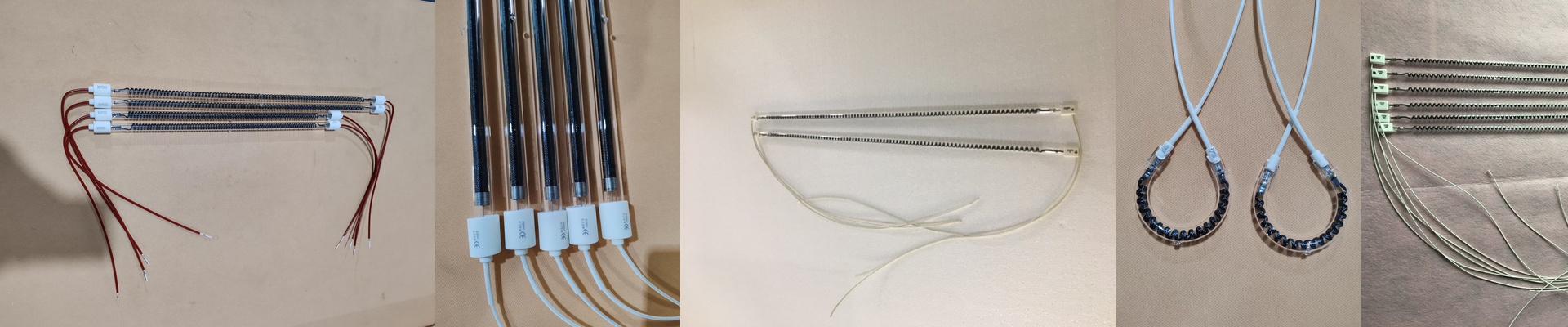
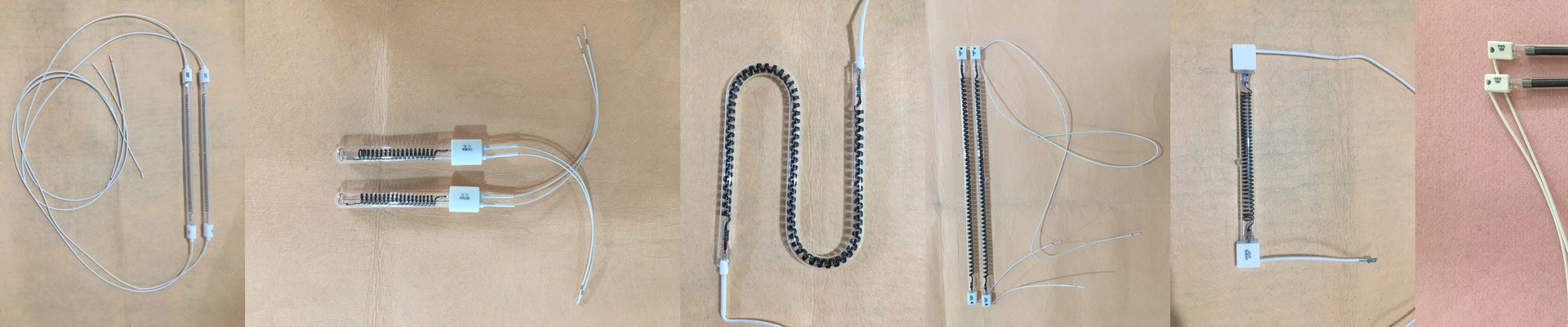
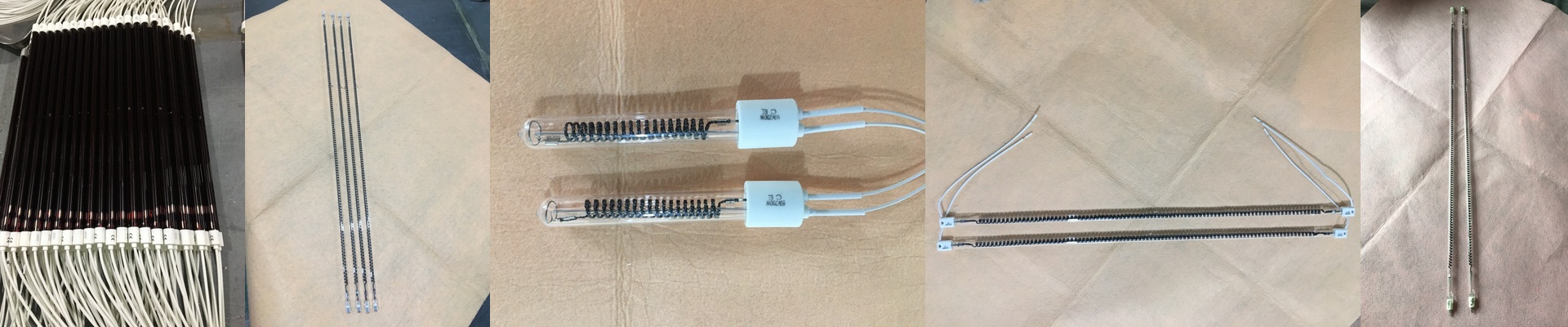
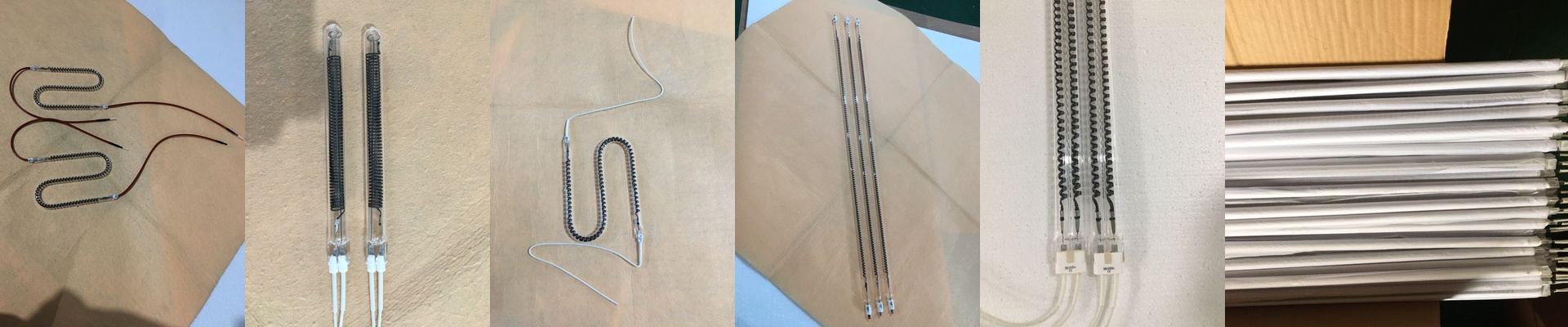
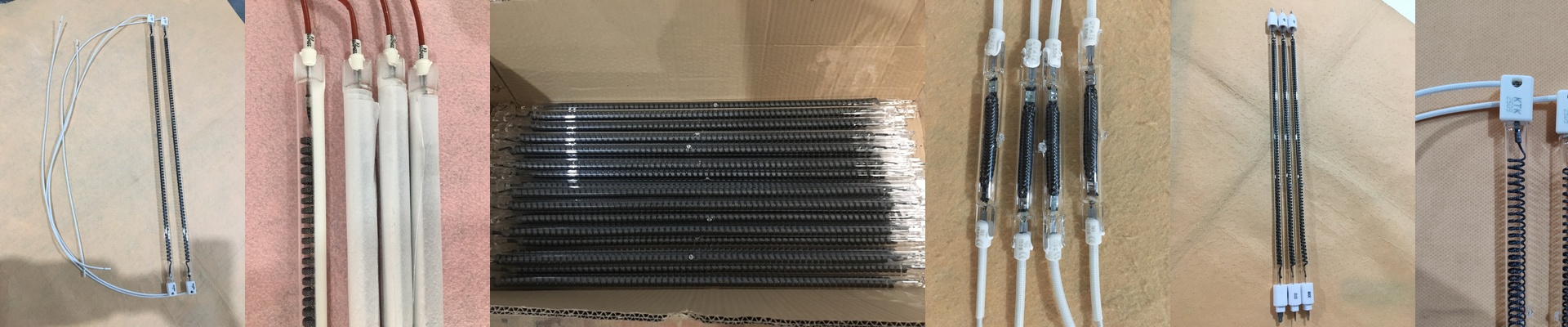
Why we insist on 99.99% Pure Quartz for our IR Lamps
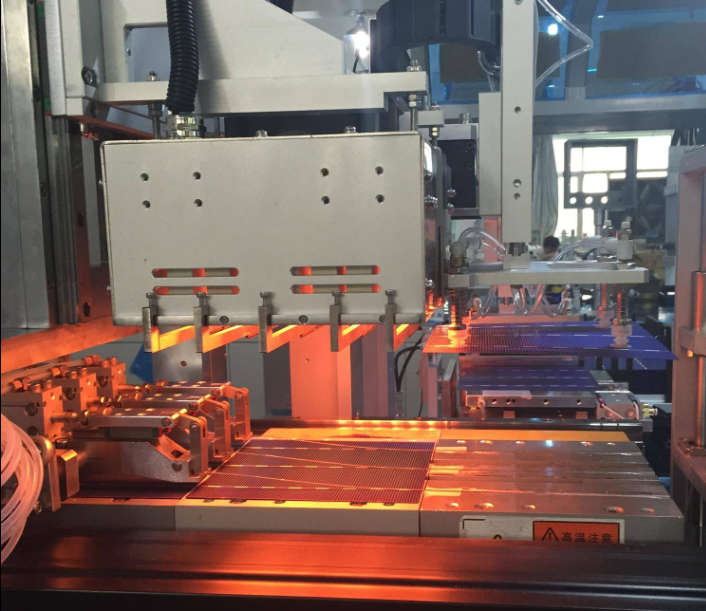
When you’re building an infrared lamp for precision repair or industrial curing, the glass tube isn’t just there to hold everything together. It’s actually acting as a filter. If you use basic quartz, you’re leaking energy. That’s why we stick with 99.99% high-purity synthetic quartz. It keeps the infrared radiation moving instead of soaking it up. Here’s the thing about the physics. Most quartz has tiny bits of aluminum or iron hiding in it. These impurities act like roadblocks, grabbing the IR energy before it even makes it out of the tube. It creates this internal heat buildup that doesn’t help anyone. By pushing the purity to 99.99%, we basically clear the road. The photons have a straight shot. More heat hits your target, and less of it gets wasted inside the glass. But it’s not just about the light. Purity changes how the glass actually behaves. Those same impurities create little weak spots in the molecular structure. Now, imagine cycling a lamp from room temperature up to 1000°C. Those weak spots are exactly where the glass decides to crack. High-purity quartz handles those wild temperature swings way better. It just doesn’t shatter when things get hot and cold quickly. Now, let’s be real: you pay more for this. If you’re doing low-temp work, this is probably overkill. But if you’re repairing smart locks or working on high-end electronics—where you need a precise heat footprint and absolutely zero contamination—it’s the only way to do it. Just a heads-up: these high-purity tubes are a bit softer during the manufacturing process. If your housing isn’t aligned perfectly, they can scratch more easily. We build these for the engineers who can’t afford a 5% drop in efficiency. Once your power supply is dialed in, the quartz is what decides if that energy actually does the job or just burns electricity for nothing.