Stop Guessing With Your Heat
Gone are the days when a cheap heat gun and a prayer were enough to fix a phone. These days, it’s all about precision. If you’ve ever warped a PCB or popped a capacitor because things got too hot too fast, you know the feeling. It’s gut-wrenching. The trick isn’t just blasting the board with heat—it’s about how you get there and how you hold it.
How the heat actually works
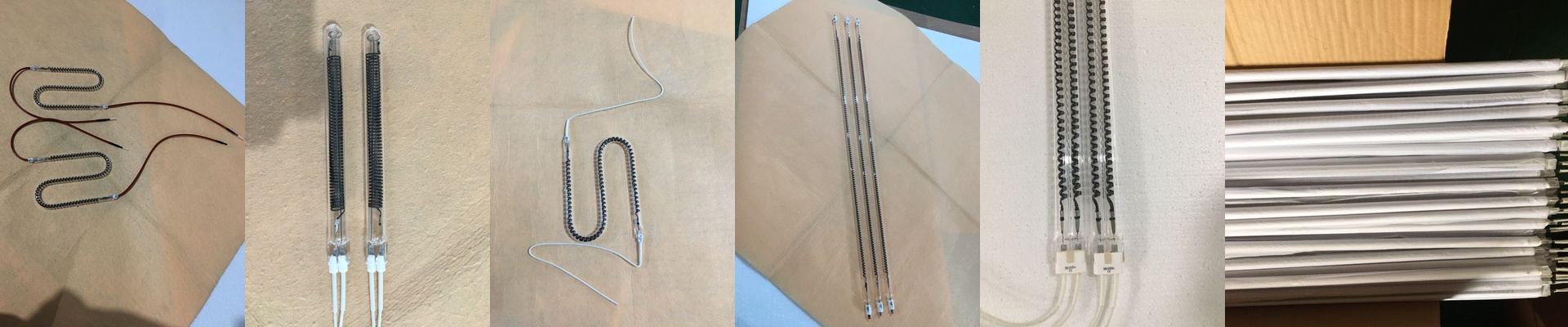
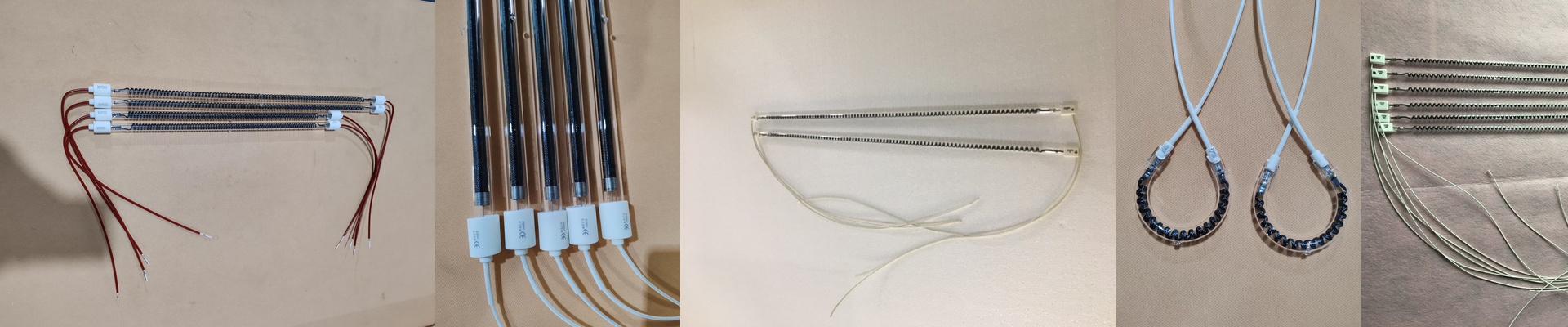
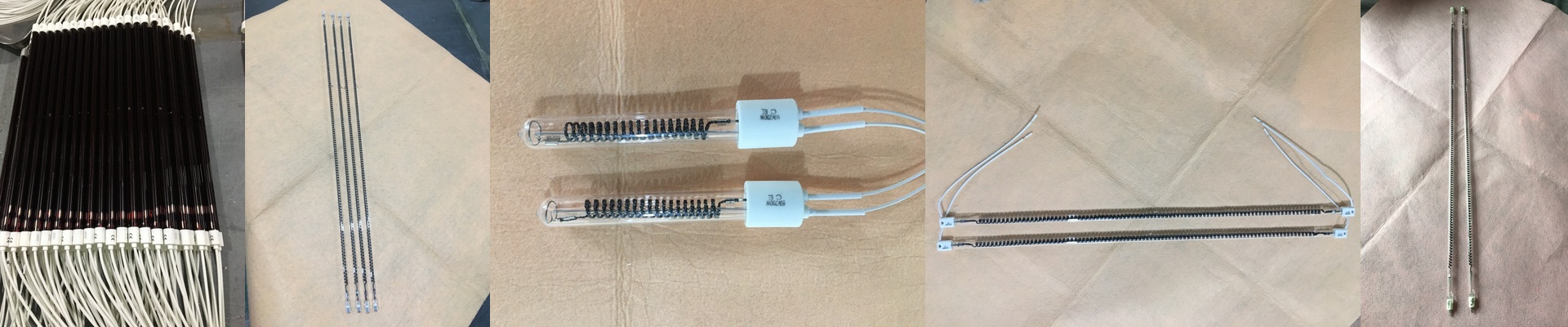
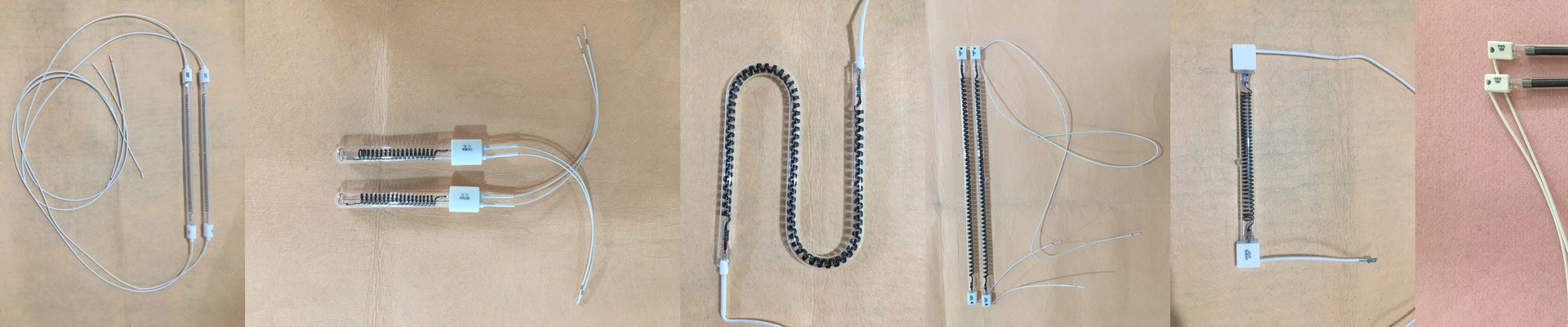
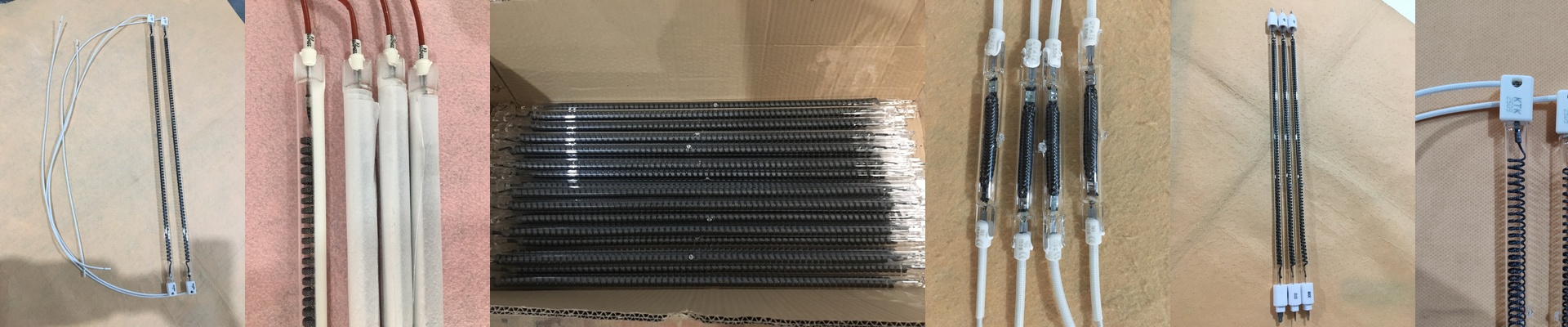
We use shortwave infrared lamps for this. Here is the thing: unlike a hot air blower that just pushes warm air around, infrared actually sinks into the chassis. It goes straight for the solder joints. By tweaking the wattage and the focal length, you can pinpoint a specific IC chip. You get the heat exactly where you need it without melting the plastic housing around it. It’s a surgical strike, not a blanket of heat.
The gear and the trade-offs
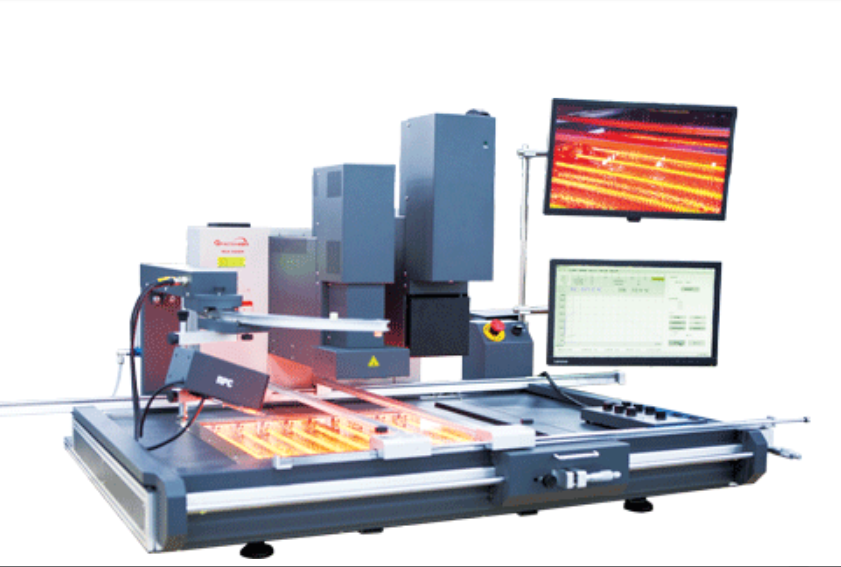
You need a system that can hit a temperature and actually stay there. We build these lamps to handle rapid cycling, but there’s a catch. If you crank a high-wattage lamp to 100% and just leave it, you’ll overshoot your target temperature. That’s why we use PID controllers. You just set your target, and the system pulses the power to keep things steady within a couple of degrees. It does the thinking for you. One quick tip: the footprint is small, but the heat is intense.**Get a heat-resistant surface for your workstation.**If you don’t, you’ll wake up to a warped repair mat.
Real-world use
Once you plug this into your workflow, it basically replaces the “gut feeling” of a technician. Whether you’re doing a screen swap or a full motherboard reball, the thermal profile is the same every single time. No more guessing. No more burnt boards. You just hit the spec and move on to the next device. It’s that simple.