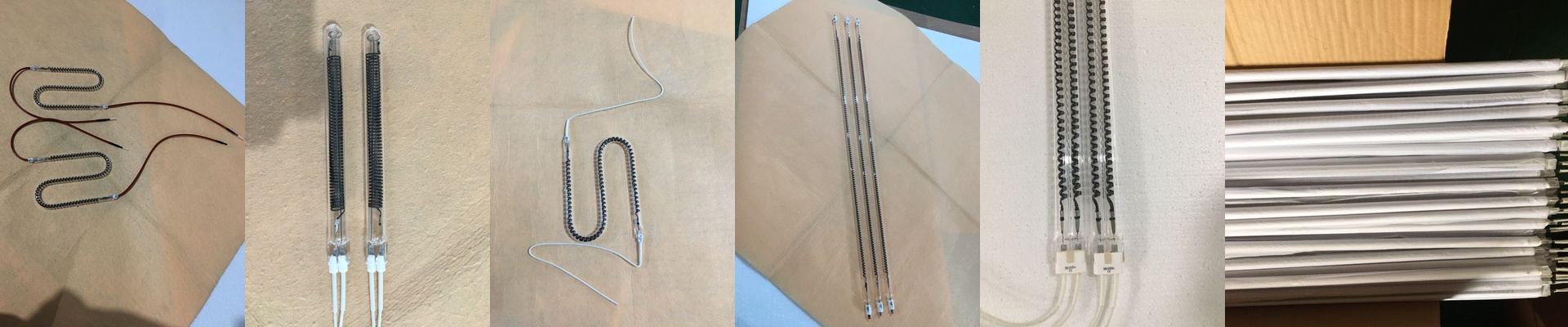
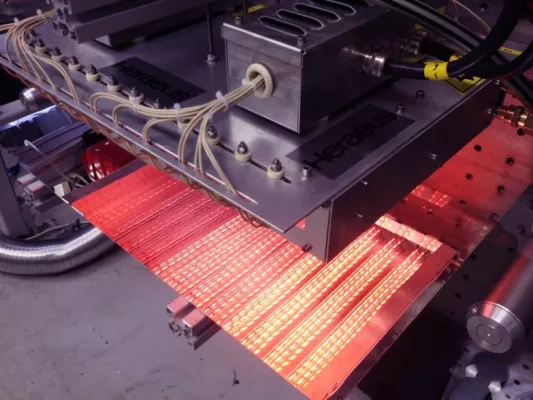
Why we ditched hot air for IR when doing BGA rework
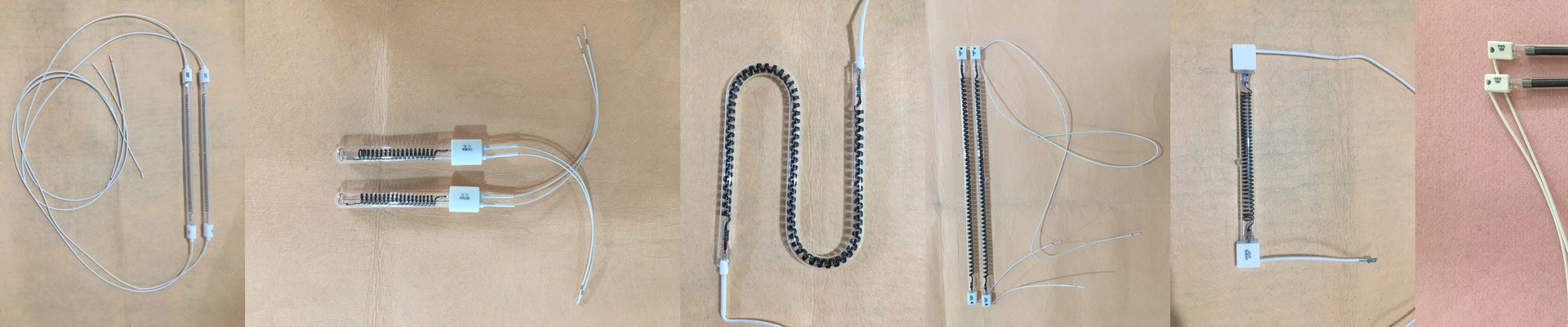
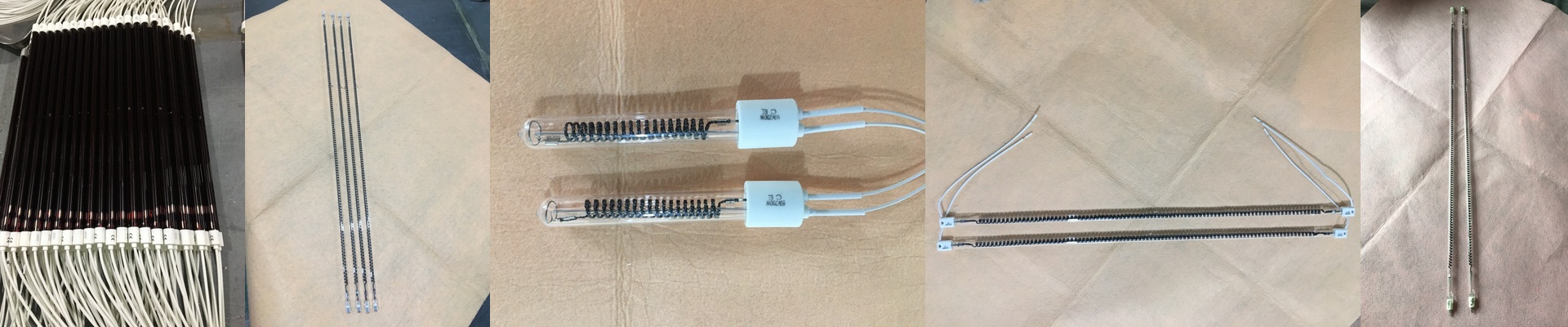
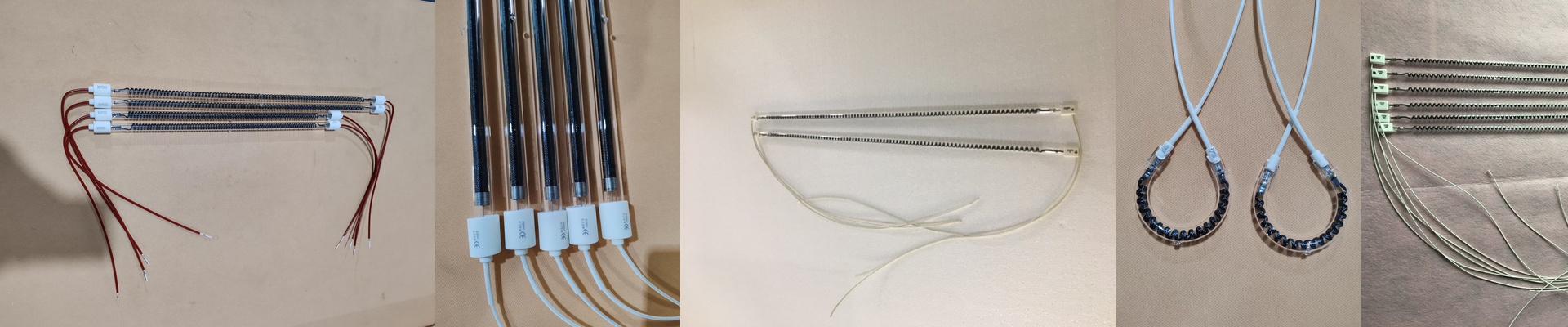
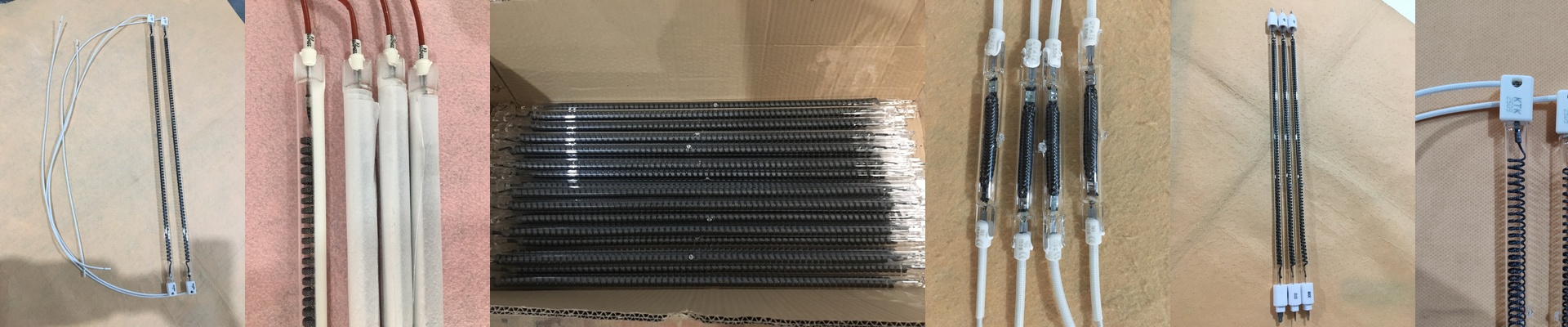
If you’ve ever tried pulling a BGA chip off a smart lock board, you know the struggle. You’re basically fighting a war against surface tension and stubborn thermal mass. Most people just grab a hot air station and start blowing. But there’s a limit to what forced air can actually do. That’s why we switched to infrared (IR) lamps. It completely changes how the heat actually hits the board.
The problem with blowing hot air
Here’s the thing about hot air: it relies on convection. You’re essentially pushing hot molecules against a surface and praying that enough heat sinks down to the solder balls hiding under the chip. It rarely works perfectly. You get this “shadow effect” where the air just curls around the component. The edges of the chip get scorched, but the center stays cold. It’s frustrating. IR is different. It uses electromagnetic radiation. Instead of pushing heat onto the board, IR waves soak right through the solder mask and the chip itself. It gets the molecules inside the components vibrating. The heat startsinsidethe material. Because of that, the whole footprint warms up evenly. No more guessing if the middle is actually melted.
Saving the board from the heat
BGA packages are crowded. Those solder joints are tucked away where air can’t reach them easily. With IR, the energy doesn’t need a medium like air to move. It’s direct. This means the board spends way less time baking at high temperatures. It’s a huge relief. You don’t have to worry nearly as much about the board warping or the layers peeling apart (delaminating). We hit the melting point of the solder fast, and we do it without melting the plastic housing of the smart lock.
The catch
Now, IR isn’t magic. It’s fast, but it’s “blind.” With hot air, you can almost feel where the heat is going. With IR, you can’t. If your lamp is slightly off or you’ve got it too close, you’ll burn a hole right through the substrate before those center balls even think about melting. You have to be precise. You need the right height and a thermal profile you can actually trust. But once you dial that in? It’s a completely different experience.