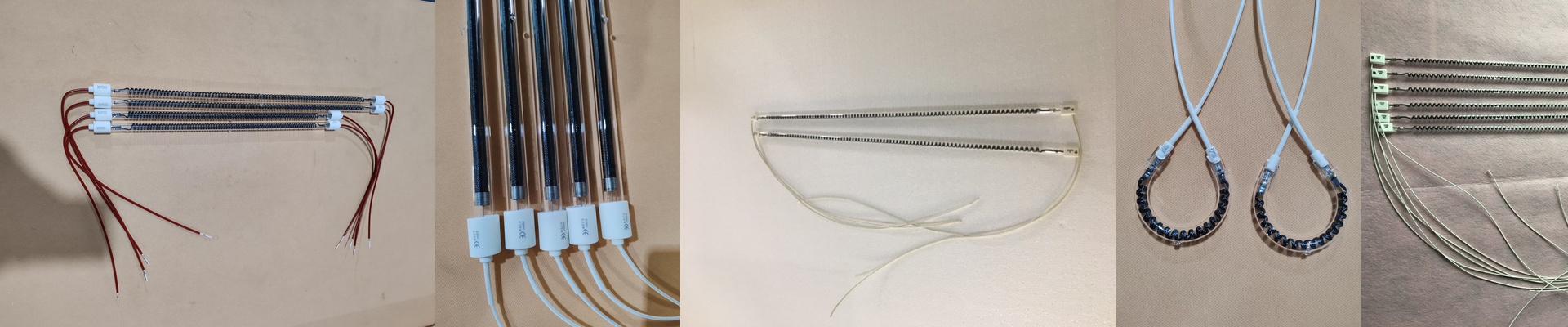
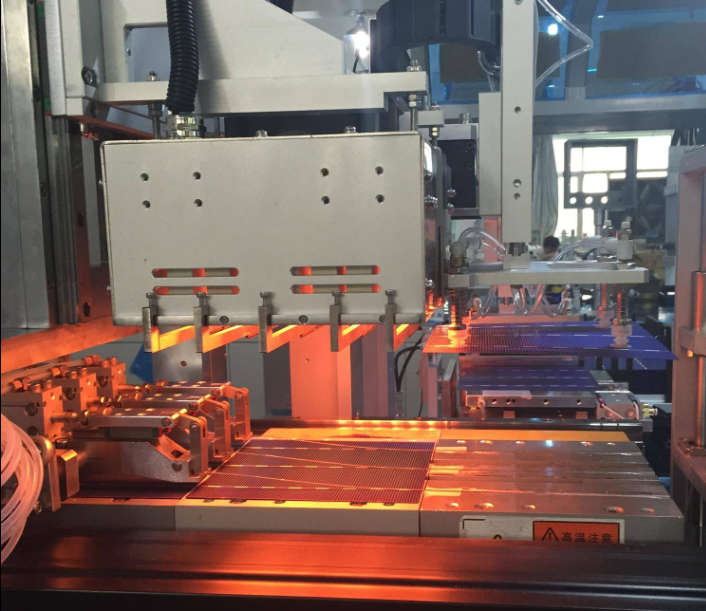
Getting Your Heat Right: A No-Nonsense Guide to Replacement Heating Elements
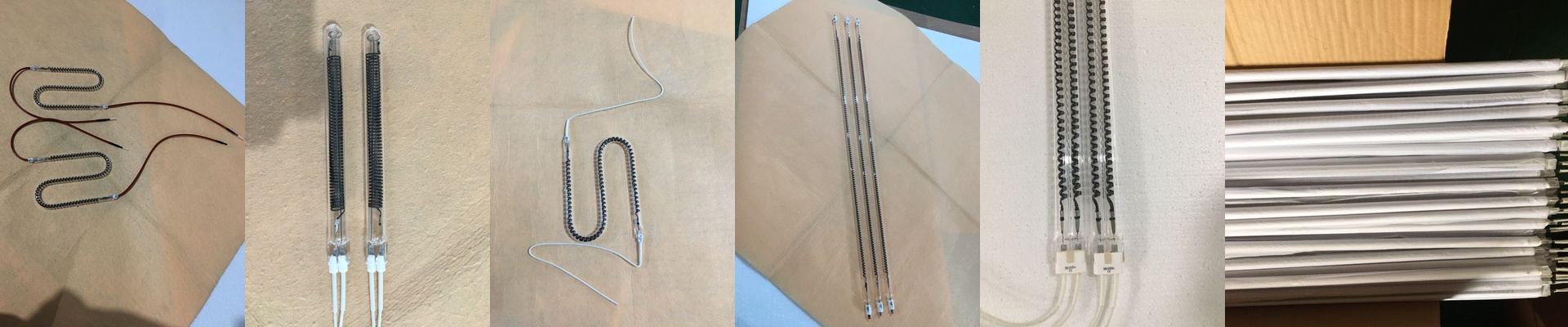
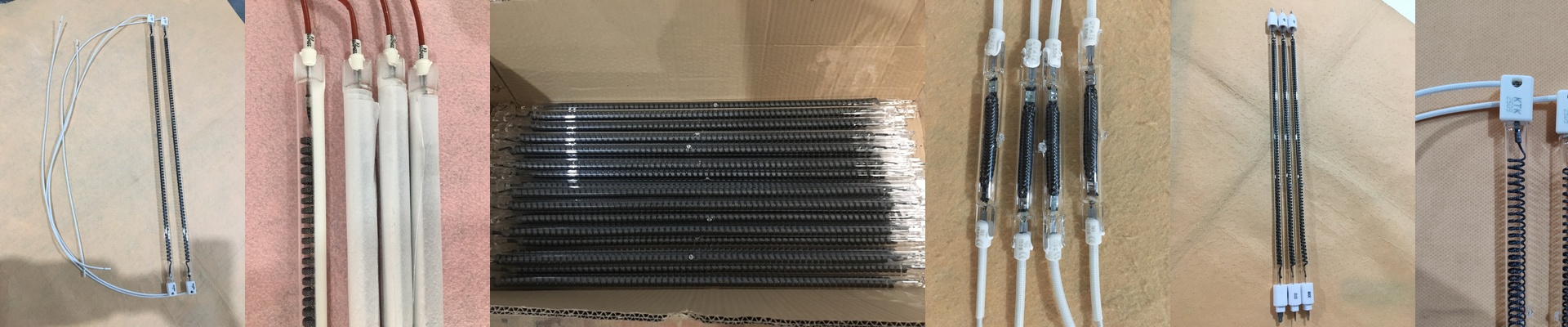
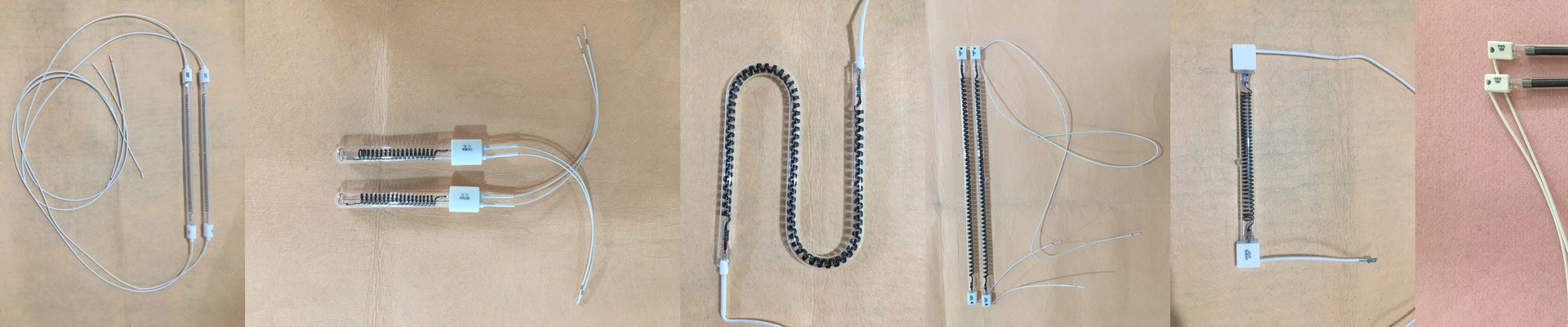
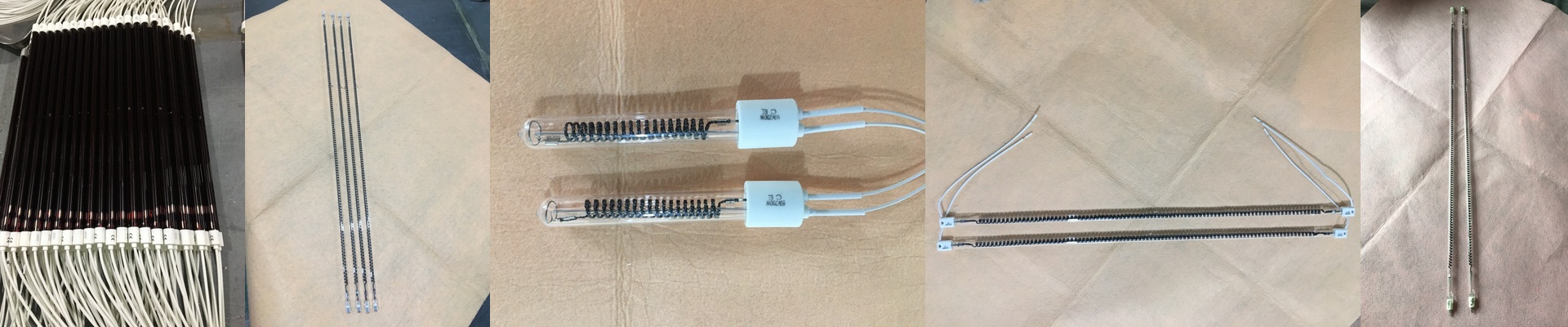
When you’re tearing down a smart home device, you know the struggle. You need enough heat to melt that stubborn adhesive or reflow some solder, but one second too long and you’ve scorched the PCB. It’s a delicate balance. That’s why we build our heating lamps to mirror the exact thermal footprint of the big-name gear you’re already using. No guessing games. The nitty-gritty on power Here’s the thing about voltage and wattage: they have to match. Period. If you’re swapping out a dead lamp in a high-wattage station, the resistance needs to be spot on. If it’s off, you’re looking at two options: the tool won’t get hot enough to do the job, or the filament will just snap. To stop the glass from cracking when things heat up and cool down fast, we use high-purity quartz. It’s tough. It handles the stress. What’s actually inside the tube? We use a halogen-filled quartz envelope. Why? Because it keeps the filament from evaporating too quickly. It simply lasts longer. And since nobody wants to spend their afternoon rewiring a housing or hacking away at a bracket, we stick to standard industrial connectors like R7s or SK15. You just pop it in and get back to work. Plus, we added a special coating to the glass. It shifts the light spectrum so more of that energy actually hits your target instead of just lighting up the whole room. A quick heads-up High-density heat is great, but it comes with a trade-off. These things gethot. If your workstation has a dusty cooling fan or zero airflow, that heat is going to build up fast. Just make sure your chassis can take the load, otherwise, you might find your plastic casing warping. We stand by these. If our lamps don’t perform as well as the expensive brand-name ones you’re used to, we’ll refund you the difference. We build these for the actual shop floor, not some pristine lab.