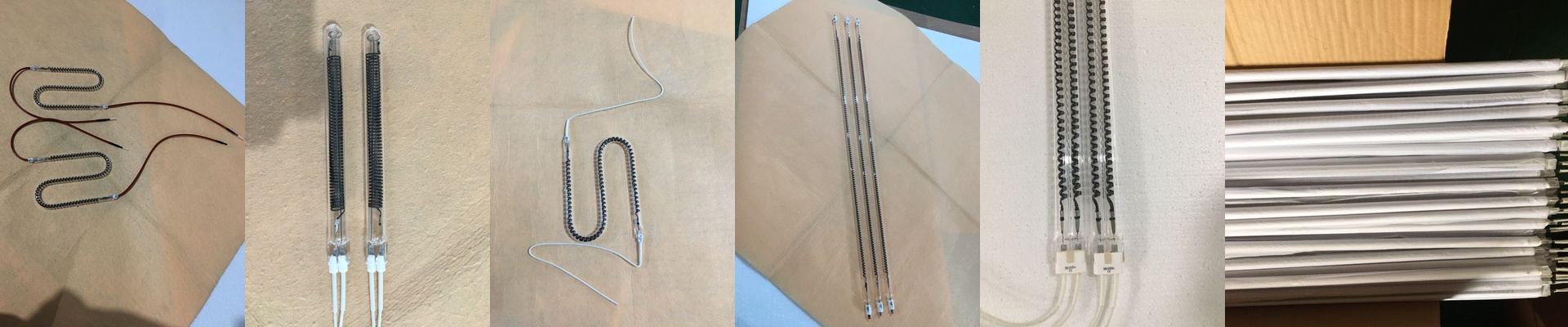
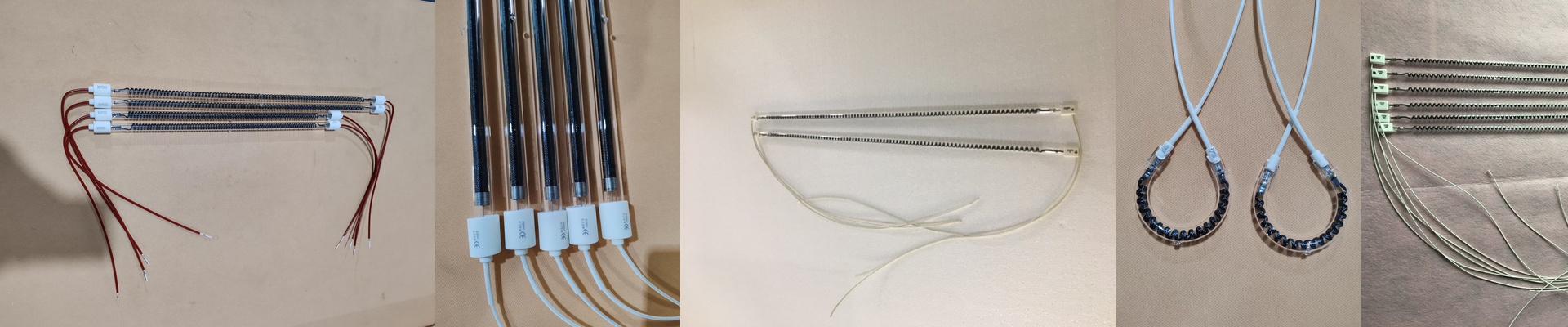
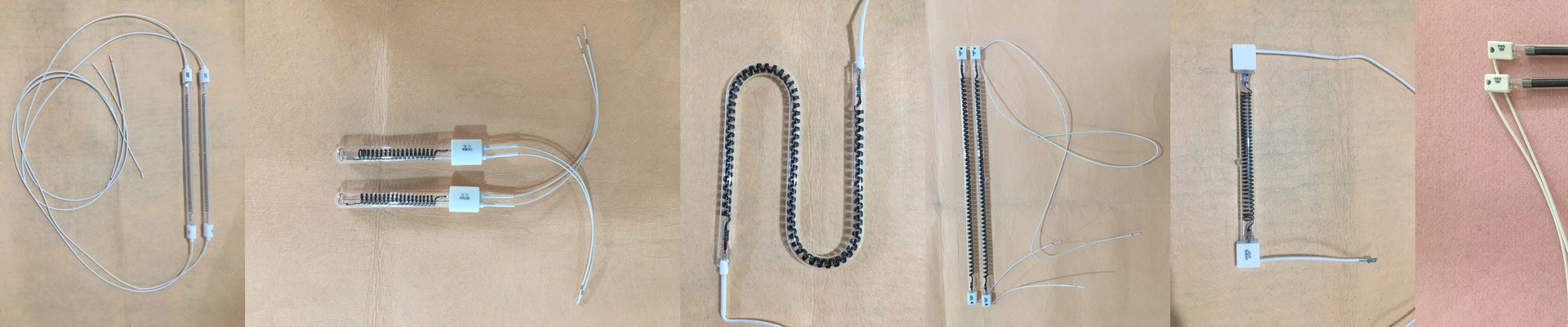
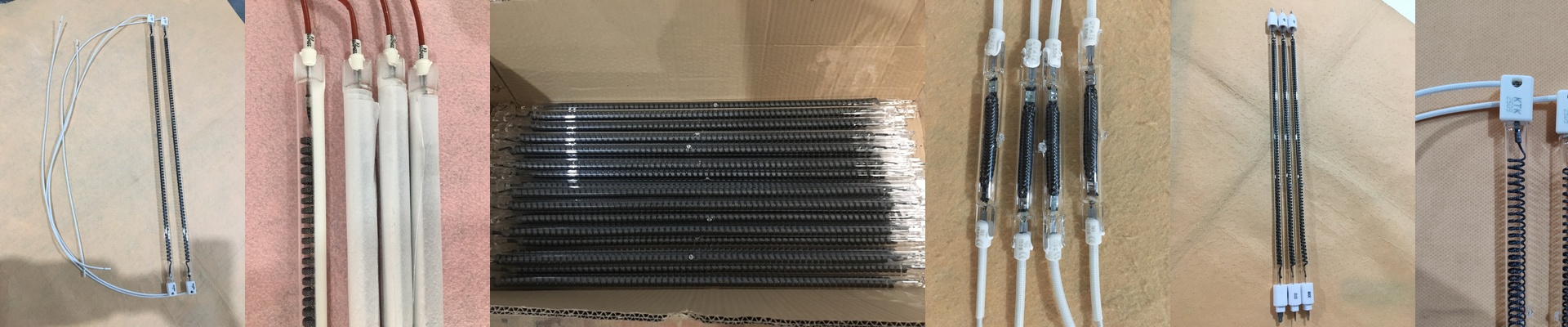
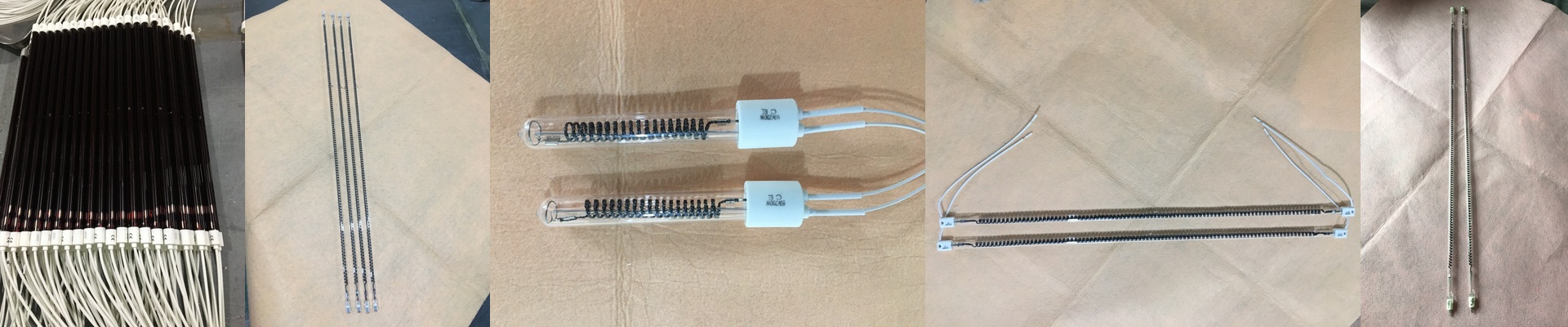
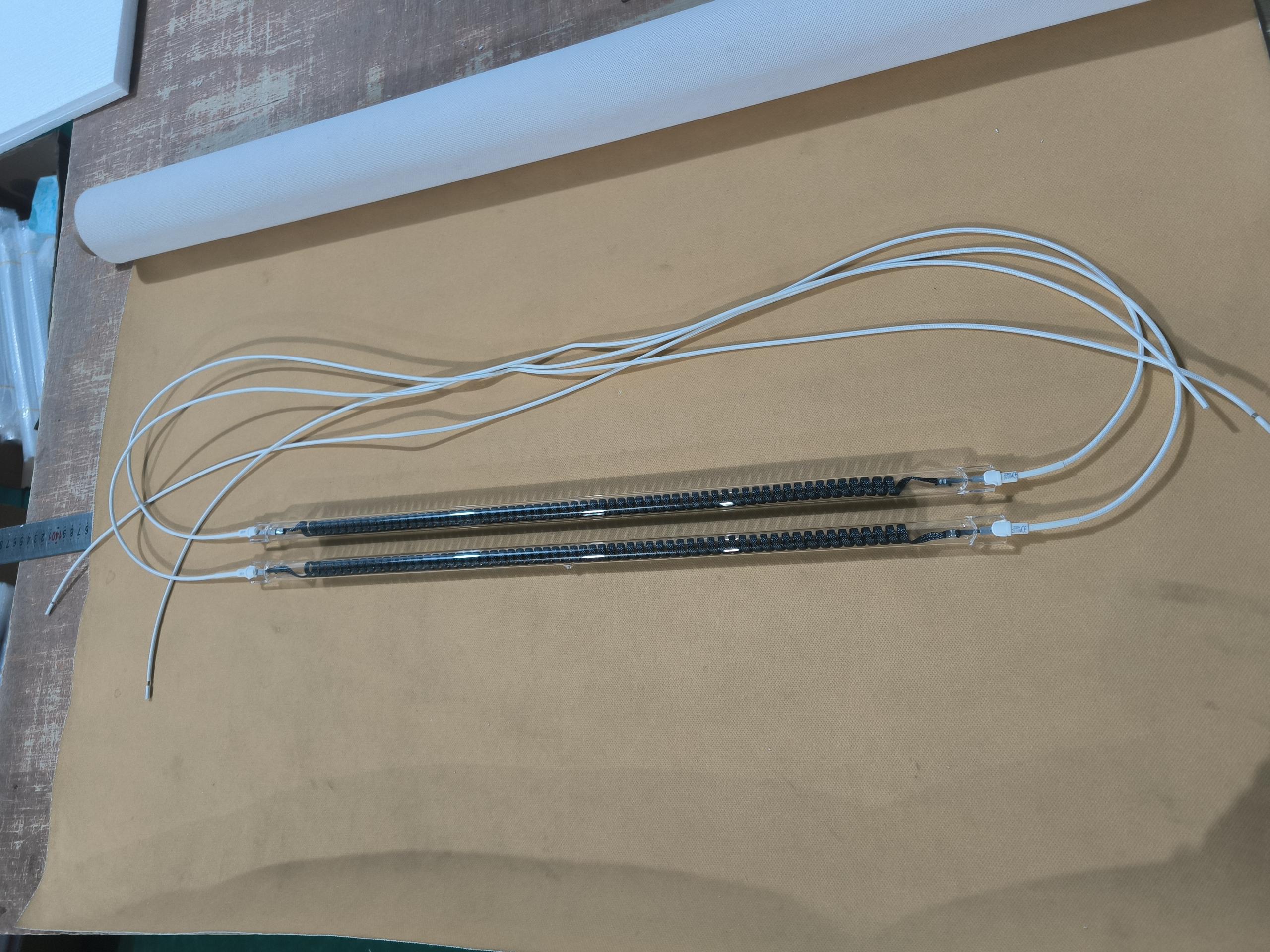
Let’s Talk About Carbon Heaters
If you’ve ever dealt with old-school metal coils, you know they mostly just bake the surface of whatever you’re heating. Carbon heaters are a different beast. We use a carbon fiber filament tucked inside a quartz tube. Because carbon handles electricity and heat differently than metal, the heat actually sinks deep into your material. It doesn’t just sit on top. For industrial work, that’s a huge win. Getting the power right Here is the thing about wattage and voltage: they control how fast you get up to temperature. If you go with a high-wattage tube, you’re going to see a much faster ramp-up. That’s a lifesaver when you’re running a high-speed production line and every second counts. But you have to be careful with your power supply. If the voltage is too low, you’re just wasting energy. If it’s too high? You’ll snap that filament in a few hours. It’s a delicate balance. The build and the bits We use high-purity quartz for the tubes. Why? Because when things get incredibly hot, cheap glass warps. This stuff doesn’t. As for the connectors, we usually stick with R7s or Sk15. They’re basically the industry standard, so they should slide right into most industrial ovens without a fight. Some of our lamps have a special coating. It helps the heat “target” specific materials more effectively. The only trade-off is that they take a tiny bit longer to warm up than the uncoated ones. Real-world use (and a few warnings) You’ll see these all over the place for PET blowing and curing plastics. They give you the punch you need to soften a preform without accidentally melting the outer skin. Plus, they take up way less space than those bulky forced-air systems. Just a heads-up: carbon heaters are a bit fragile when it comes to physical shock. If your machinery vibrates a lot, make sure those mounting brackets are tight. And since these things put out a lot of heat in a small area, double-check your cooling fans. You don’t want your connector housing melting into a puddle during a long shift.