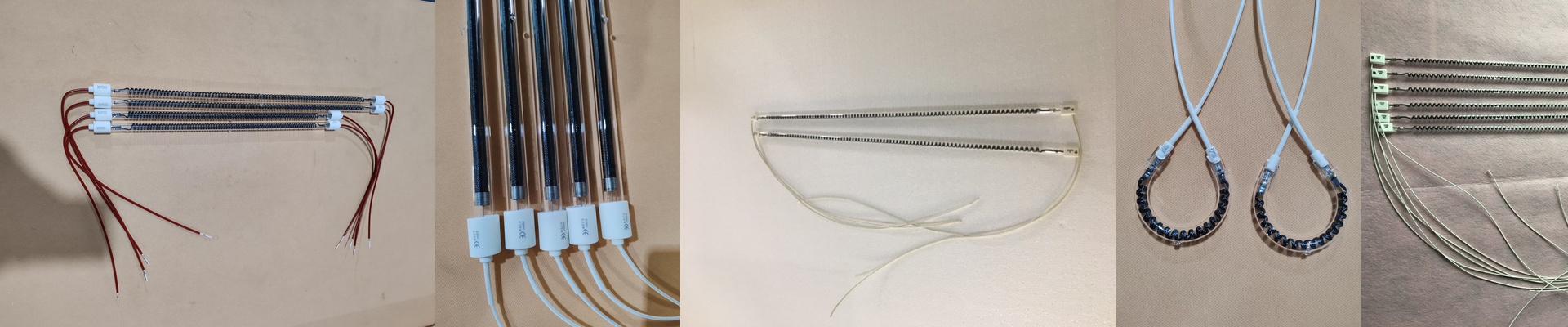
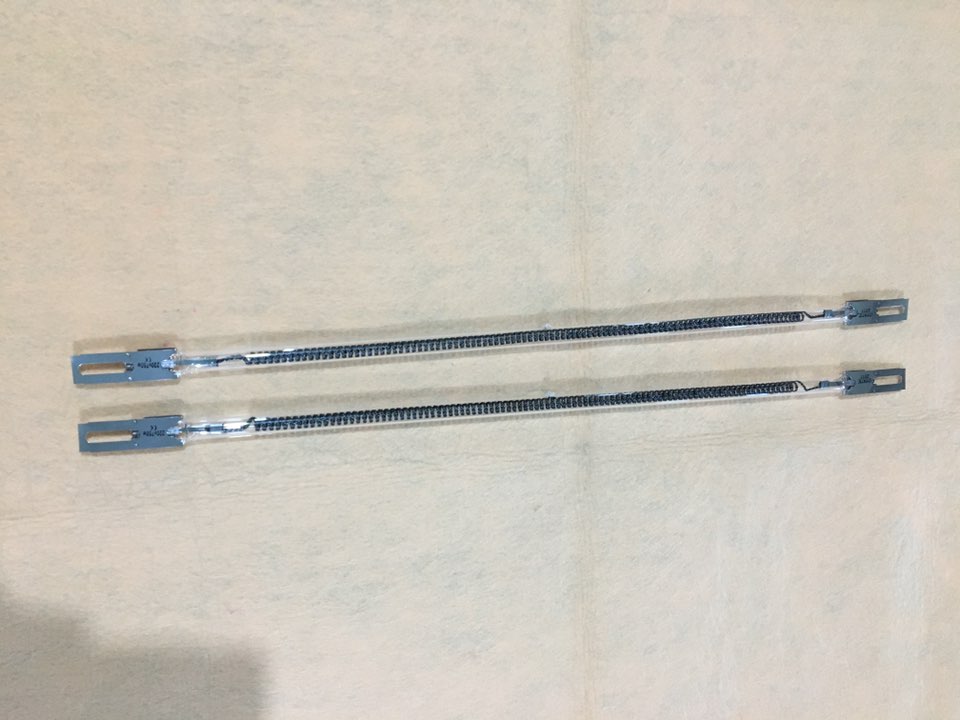
The Carbon Fiber Infrared Heating Lamp: Your 220V Workhorse for Precision Heat
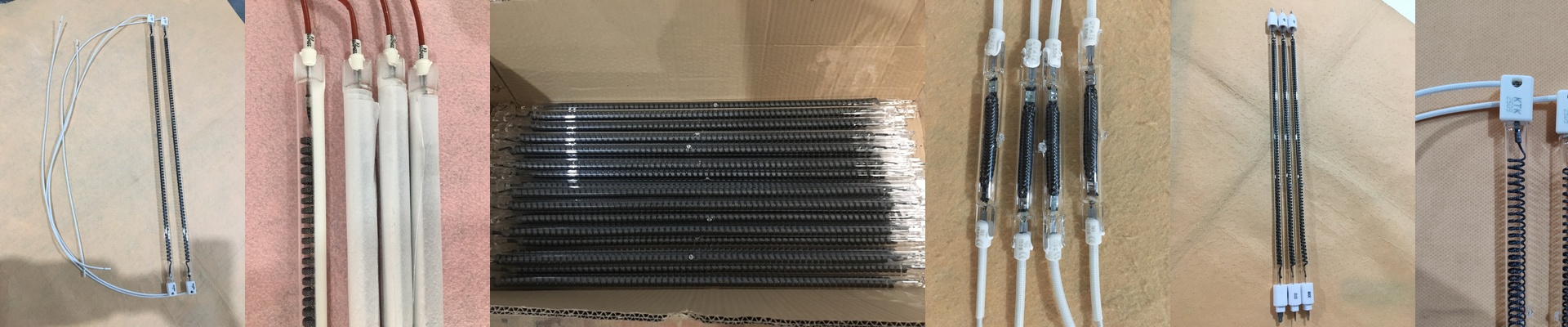
Let’s talk about a piece of equipment that doesn’t mess around. We built this carbon fiber infrared heating lamp for the places where heat isn’t a nice-to-have—it’s the whole point. This isn’t some flimsy bulb you’d find in a home improvement store. It’s a serious, heavy-duty heating element, designed to run straight off a standard 220V line and deliver steady, focused heat for jobs that need the same temperature, every single time.
The Power Behind the Heat: 220V and a Smart Footprint
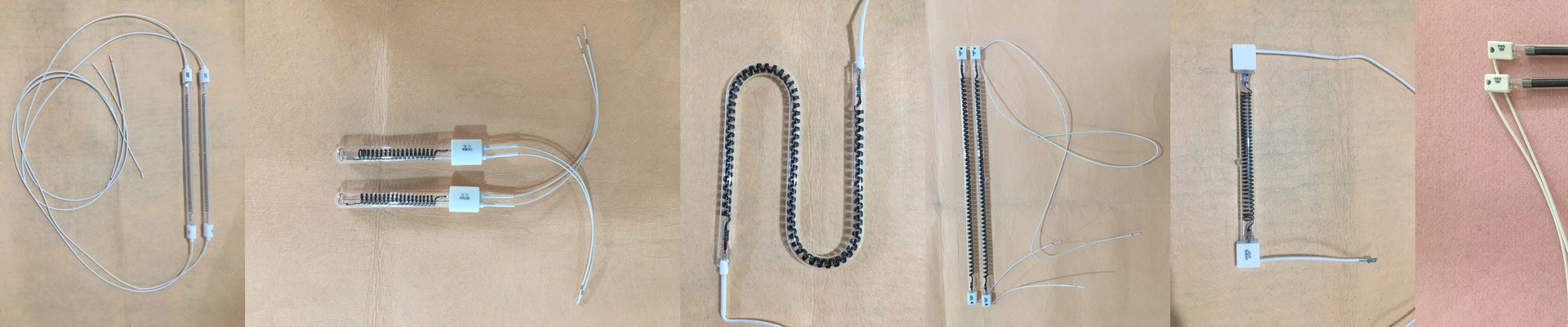
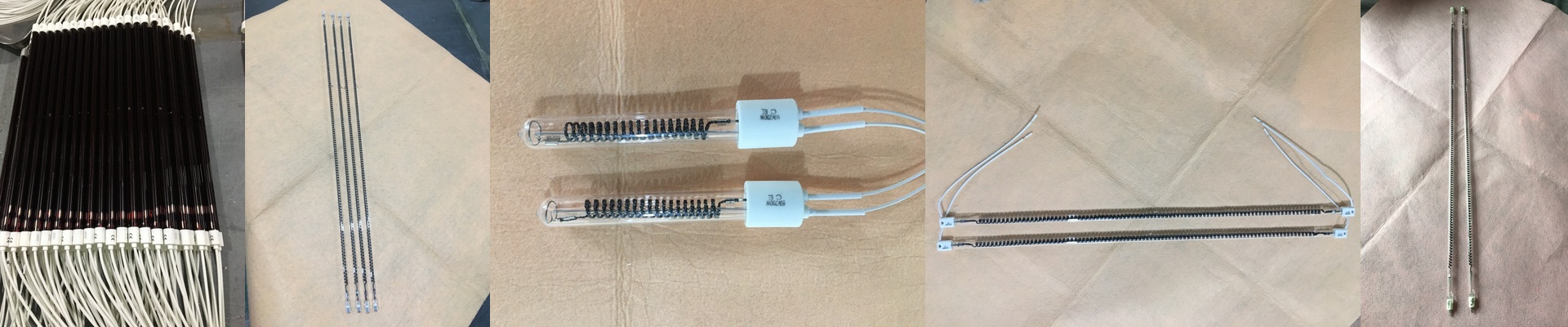
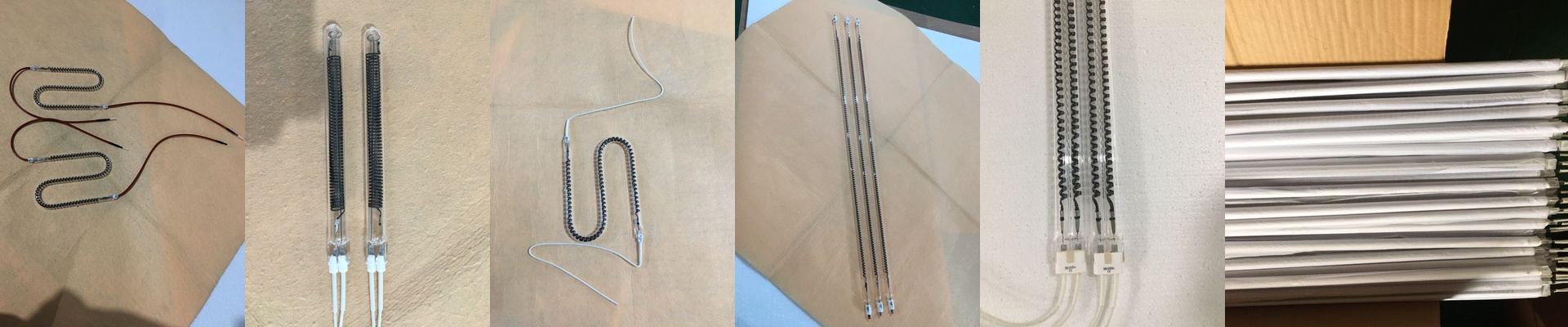
Here’s the best part about the 220V rating. You can wire this thing directly into your existing industrial power setup. No need for a bulky transformer. That means easier installation and more space left in your cabinets. Inside, a carbon fiber element sits snug in a quartz envelope. It’s built to handle the stress of heating up and cooling down, over and over again. And the whole unit is surprisingly compact, so you get a ton of heat from a small footprint.
Why Carbon Fiber? And Why the R7s Connector?
The carbon fiber element is what makes this feel different. It gets hot fast and holds that temperature steady. You get high power without those annoying hot spots that can kill a wire-wound element. The quartz envelope does its job too, making sure all that infrared energy goes exactly where you point it. And we chose the R7s connector for a reason. That double-ended pin design gives you a solid, reliable connection that can handle high heat and the constant vibration of a busy factory floor. Plus, it’s a direct swap for older halogen and ceramic heaters, so you can upgrade without overhauling your whole setup.
Where It Shines: Real-World, No-Nonsense Performance
This lamp is a star in places like plastic thermoforming, curing adhesives, and drying components. It heats the target directly, not the air around it. That’s a huge win. You waste less energy and get through your cycles faster. But, and this is important, you need to manage the heat. This thing gets seriously hot, so make sure the parts around it are protected or rated for the temperature. And treat the quartz envelope with respect. It’s tough, but it can crack if it gets hit or if it has to deal with a sudden temperature shock from something like contaminants. This is a rugged tool, no doubt. But like any good tool, it needs to be handled properly on the shop floor.