Introduction
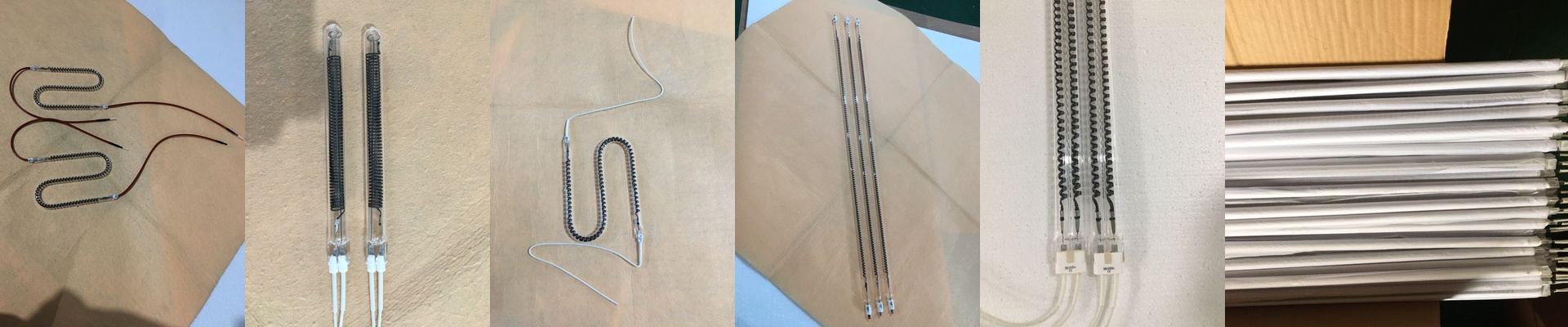
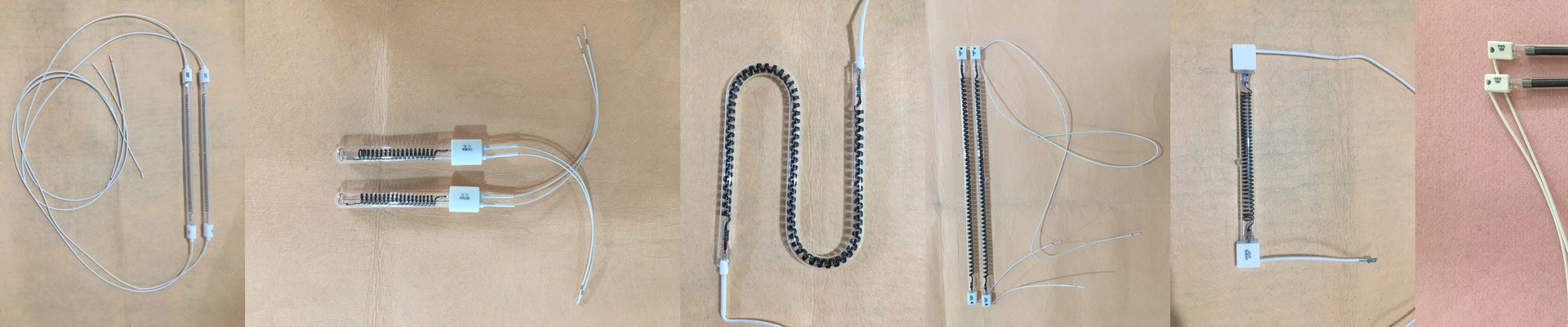
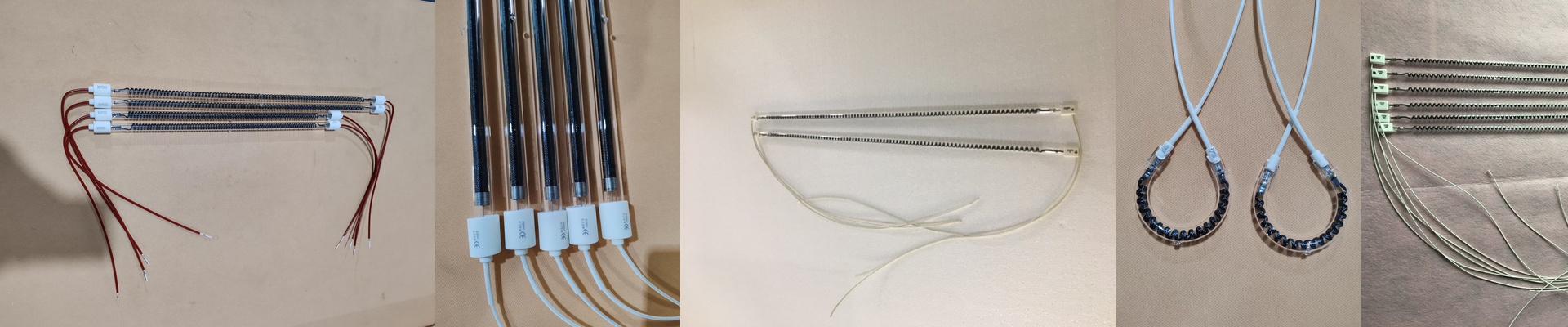
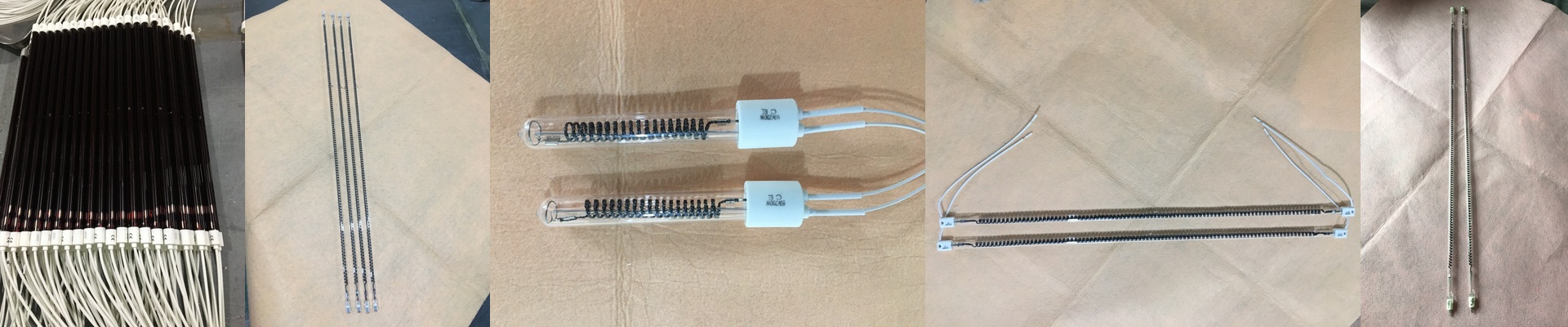
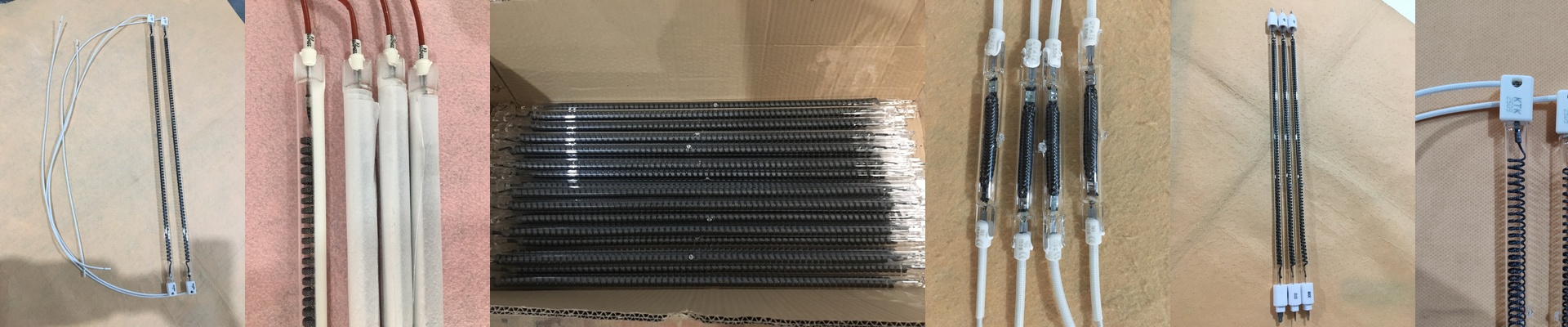
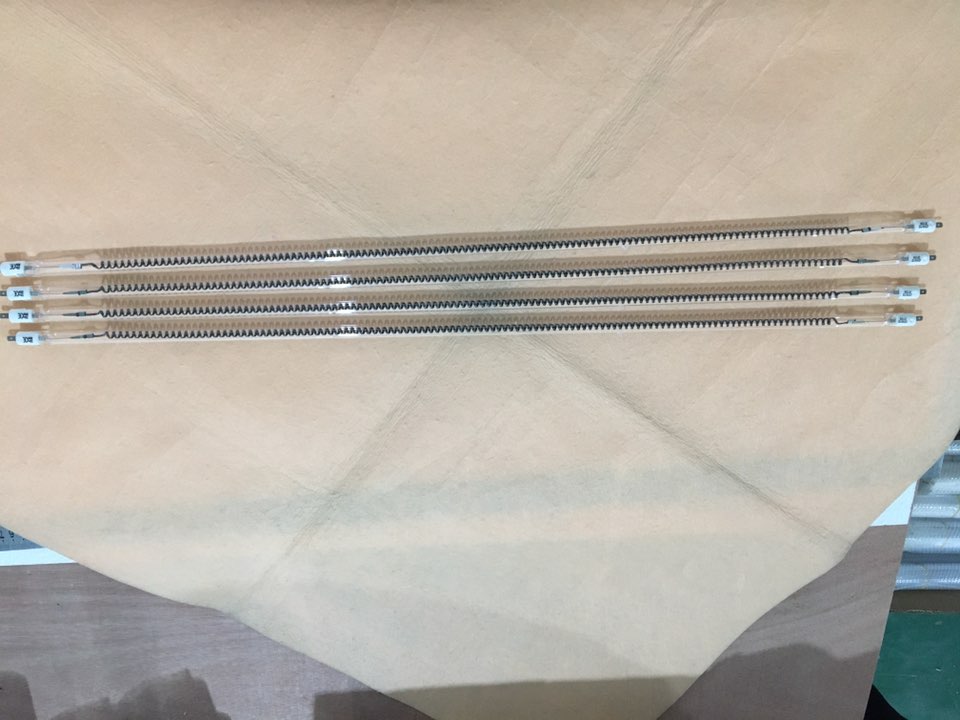
We built this Infrared Carbon Fiber Heater for one reason: to solve real industrial heating problems without the usual headaches. You know the kind—heaters that take forever to respond, eat up space, and never quite give you the control you need. At its heart is a carbon fiber element that runs off a standard 220V outlet. That means it’s ready to work wherever you plug it in, and it slips into tight spots that bulky old heaters can’t touch. The result? Heat that’s steady, predictable, and repeatable—every single time.
The Power, Voltage, and Size—Straight Talk
We chose 220V because that’s what most plants already run on. No rewiring panels. No hunting down custom transformers. Just plug it in and go. The carbon fiber element packs a ton of heat into a small footprint. So you get the same thermal punch in a much smaller package. That makes the mechanical fit clean and tight, and it means the heating loop has way less inertia. In plain English? The controller reacts fast when you change the setpoint. That speed is a gift. But here’s the catch: a dense element heats up quickly, and it concentrates heat in one spot. So plan for proper cooling and shielding around the mount. You’ll keep nearby electronics safe and keep everything running smoothly.
Why Carbon Fiber? And How It Stays Tough
Carbon fiber gives you two big wins: predictable resistance and steady infrared emissivity. That translates to heat transfer you can count on, shot after shot. The element sits inside a quartz envelope that handles high temps without flinching, and it keeps airflow and contaminants out. Inside, a halogen fill gas stops hot spots and helps the output stay stable over long stretches of service. And mounting? We built it around standard industrial interfaces, so it drops right into what you already have. No redesign needed.
Where It Shines—And What It Feels Like to Use
This heater is your go-to when you need rapid, localized heat: plastic processing, sealing, coating curing, component testing—you name it. Because it runs on 220V, integration is simple. And because it responds fast, your throughput climbs. Less waiting between cycles. More done. Maintenance is straightforward, too. It’s built for the factory floor, and the form factor makes swap-outs quick. Just keep one thing in mind: you’re trading size for intensity. You get serious performance in a small package, but your surrounding setup needs to handle that concentrated heat. Spec your mounting clearance and cooling up front, and you’ll be golden.