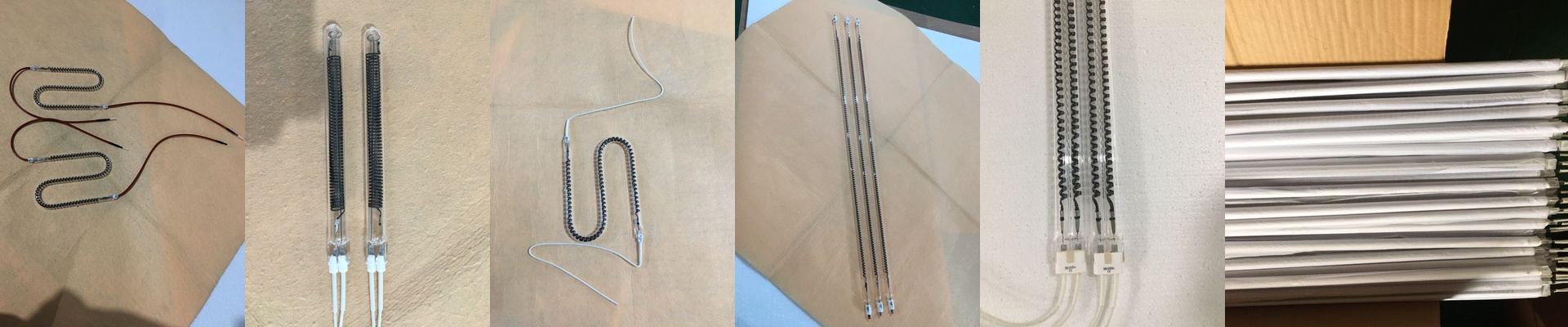
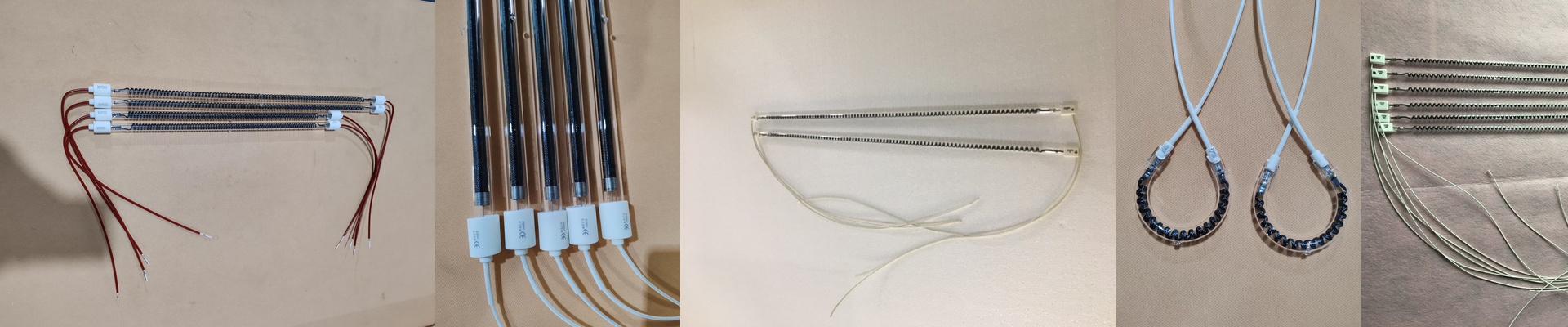
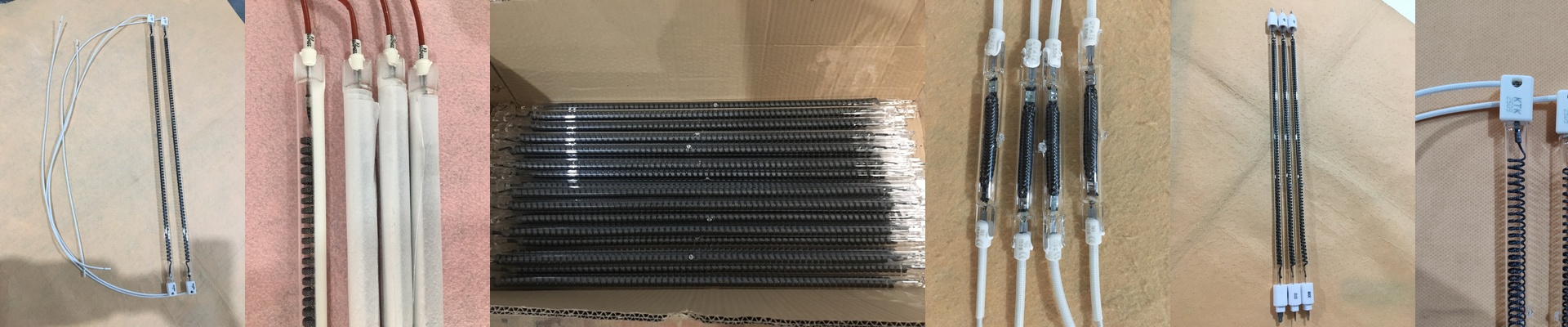
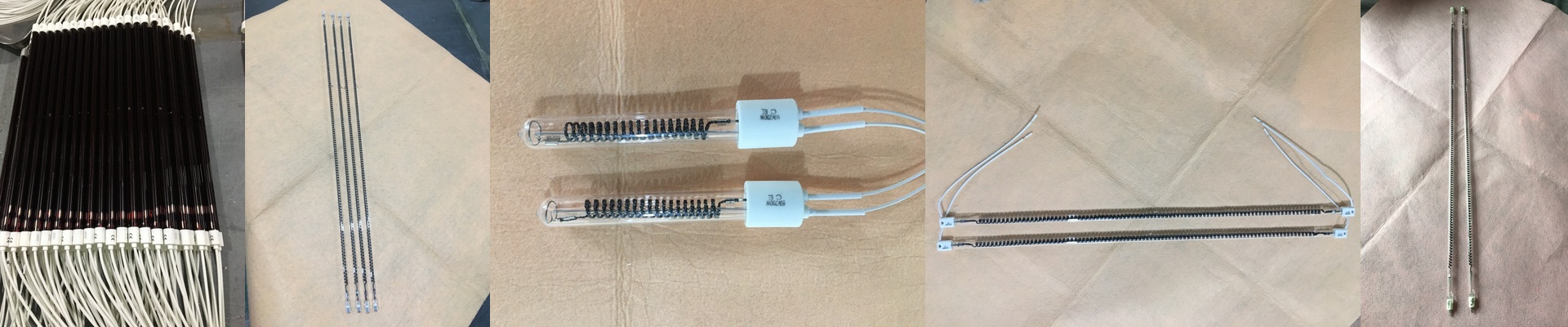
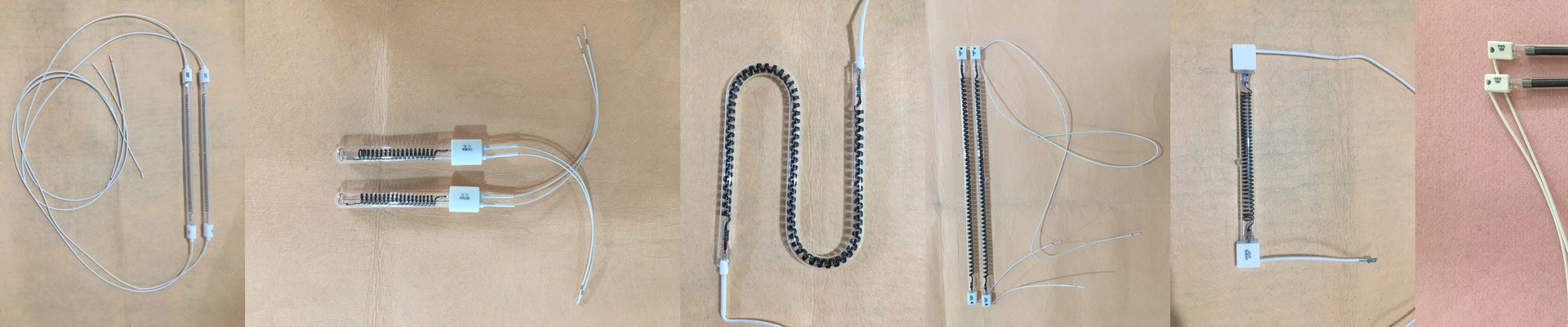
We built this far infrared carbon fiber quartz heater for one reason: to solve the tight, high-precision heating problems that come up in industrial work—especially when space is at a premium and you can’t afford to miss the mark. It’s all about getting heat where you need it, fast, without turning the rest of your equipment into a hot box.
Power, voltage, and the footprint that matters
When you’re spec’ing a heater, you want one thing above all: predictable heat in a predictable space. This unit packs a lot of wattage into a small tube, because that’s how you get high heat density without a bulky footprint. We run it at 400V so you can push serious power through a slim profile, while keeping current draw sensible. And at 300mm long, you get a tight, focused hot zone—perfect for heating a specific part or zone, without wasting energy on everything around it.
The guts: carbon fiber, quartz, and a connector you already know
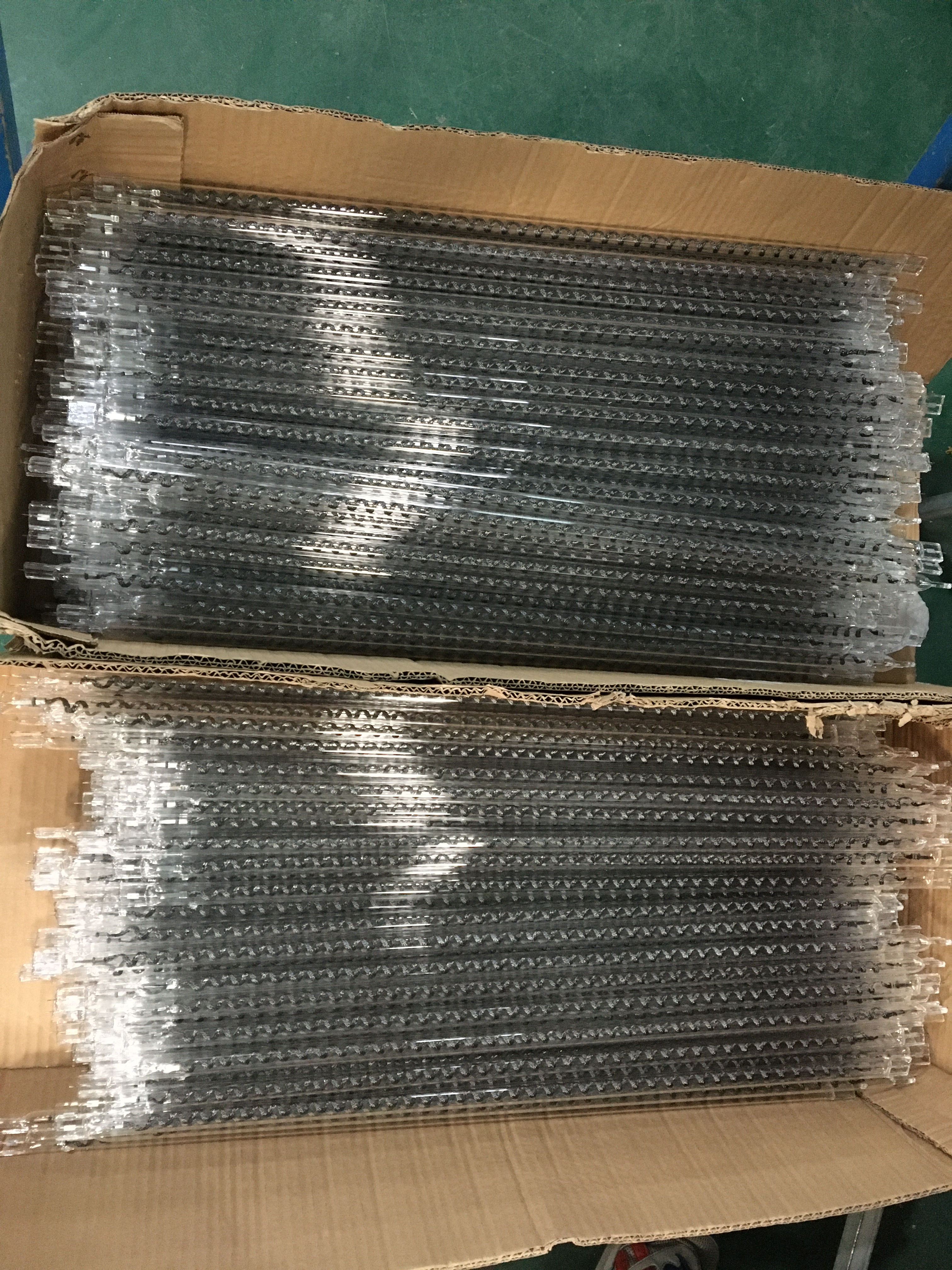
Inside, the carbon fiber element keeps resistance steady and spreads heat evenly. The quartz envelope handles rapid heating and cooling cycles, and stays highly transparent in the far infrared range—so the energy goes where it’s supposed to. A halogen fill helps stabilize the filament, which means the lamp can handle repeated start-stop cycles without burning out early. And the R7s connector? It’s a standard, proven interface. In most setups, it’s a straight swap—no reinventing the fixture.
Where it shines—and what to keep in mind
This configuration is made for high-temperature zones you find in plastic processing, coating lines, and drying stages. Warm-up is quick, the infrared output is focused, and the build is tough enough to live in a real shop. Here’s the trade-off: that high power density needs a control system rated for the job, and enough cooling to keep the surrounding enclosure at a safe temperature. Plan for that, and you’re good. In practice, it feels like this: you flip it on, the heat arrives fast, right where you need it—clean, controlled, and ready for the next run.