Introduction
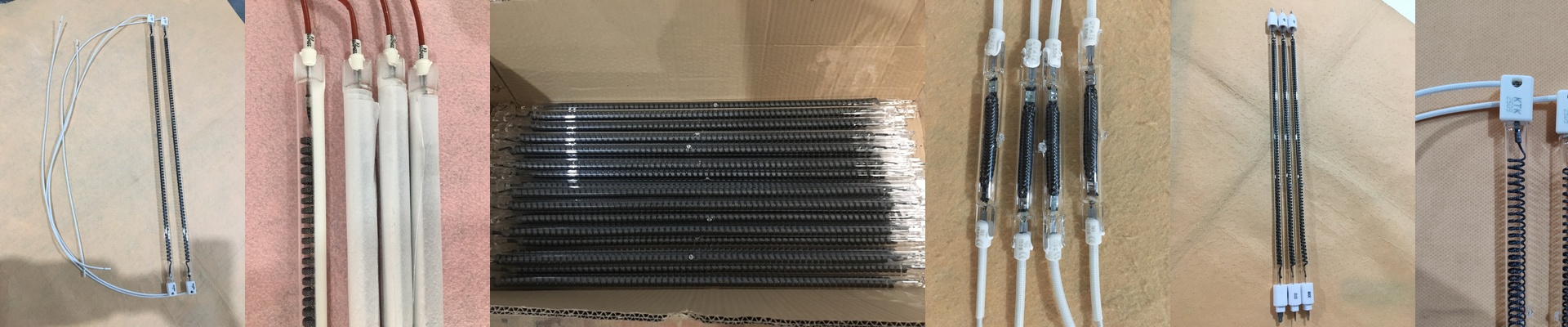
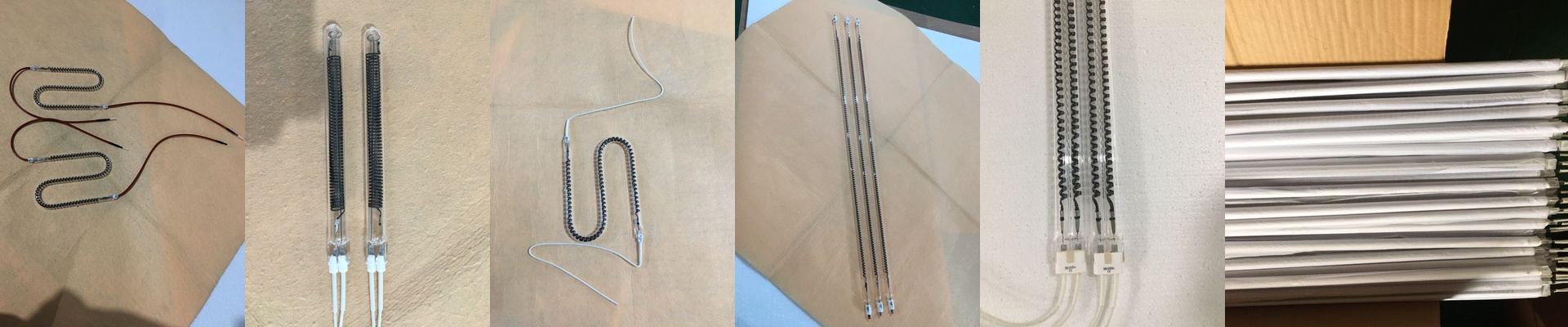
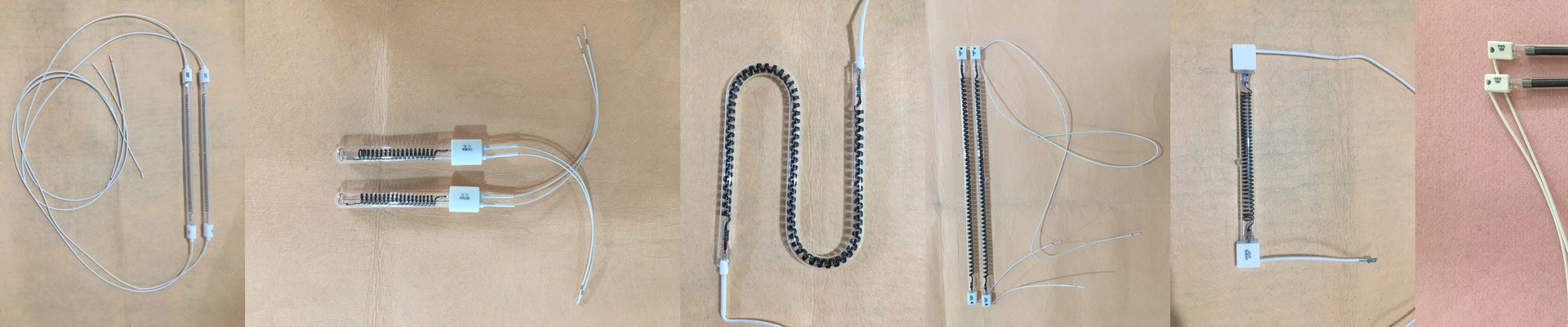
We built the Carbon Fiber Heating Lamp for one reason: to give industrial work a heat source that jumps to attention—fast. It’s for the moments when you need intense, focused heat on demand, with no waiting around. This unit runs on 230V and delivers 2000W of power, all packed into a tidy footprint. If you’re an engineer who needs heat you can count on—repeatable, steady—in machine enclosures, forming stations, or drying zones, this was made with you in mind.
The Power, Voltage, and Size—Plain Talk
That 2000W rating is about serious heat in a small space. When your footprint is tight and time is tighter, you need temperature to climb quickly. This delivers. Running at 230V also helps keep the current lower than you’d see with a 120V setup. That means less voltage drop over longer wiring runs, and easier breathing room for your contactor and terminals. Less strain. More stability. The length of the lamp is matched to the 2000W load for a reason: to keep heat density at a safe level for the quartz envelope. If you try to cram the same wattage into a shorter tube, you’re asking for hot spots and a shortened life. If you under-load it, you lose that snap-to-heat response. We spec’d it so you get consistent performance when it’s wired the way it’s meant to be.
Inside the Design: Carbon Fiber and the R7s Base
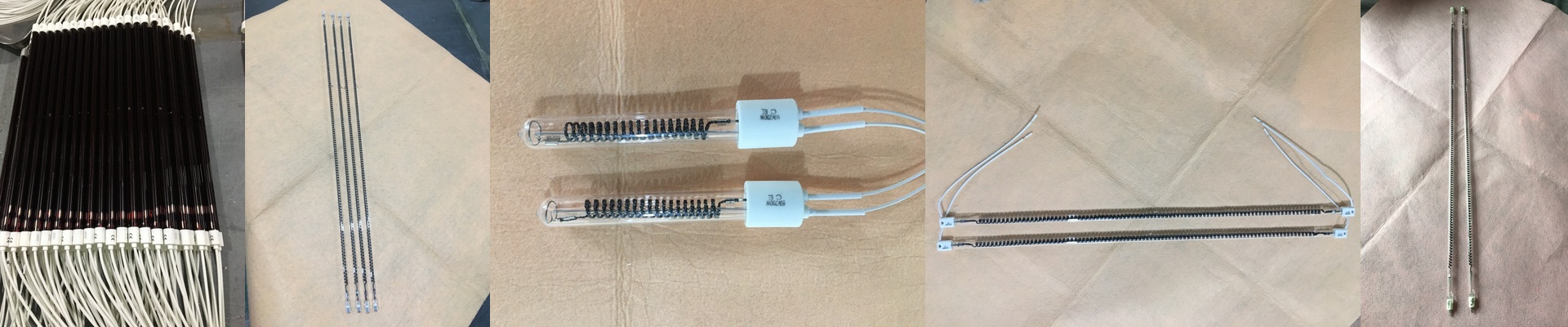
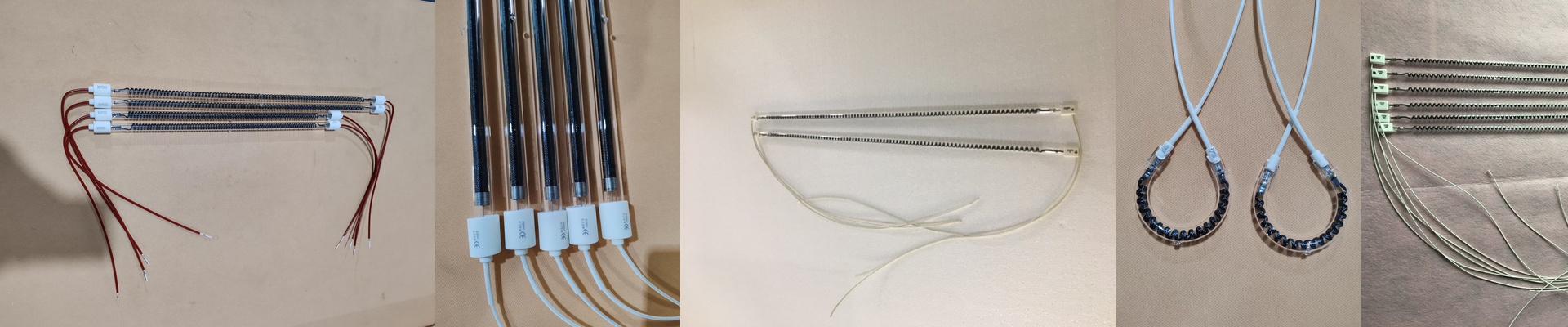
The heating element is carbon fiber, housed inside a quartz tube. Carbon fiber gives you a big advantage: low thermal mass. That means the filament heats up fast—and cools down fast—compared to coiled wire elements. You feel that speed on the shop floor. The quartz envelope handles high temperatures and resists thermal shock. It’s tough where it matters. The R7s base keeps things simple. It carries the current and locks into the socket with a solid mechanical fit, so the lamp stays put even when the machine is vibrating. And because it’s a standard R7s fit, it drops right in—no redesign headaches.
Where It Shines—And What to Keep in Mind
This lamp is at home wherever you need intense, localized heat without the lag of a heavy element. Think plastic heat-forming, sealing edges, curing adhesives, and drying coatings. The fast response helps tighten cycle times because the heat turns on quickly—and turns off quickly. Here’s the trade-off: packing 2000W into a small footprint creates a lot of radiant heat. So you’ll want proper shielding, clearance, and ventilation to keep nearby electronics and your team safe. We deliver the heat. You just need to set the stage around it to manage it well.