Carbon Infrared Halogen Heaters for Saunas: The Real Deal on Specs, Build, and Setup
Let’s talk sauna heaters. We built these carbon infrared halogen units from the ground up for one place only: the sauna. That means they’re made to survive the heat, the humidity, and the beating that electrical gear takes in that environment. The design is all about shortwave infrared. What that gives you is fast surface heating in a seriously compact package. If you’re sizing up a heater for a sauna project, you’re really looking at three things: how much power you can pack in, the voltage, and the physical size.
A Closer Look at What Makes Them Tick
We run these heaters on 400V. Why does that matter? Because it lets us deliver serious wattage without the current spiking. Higher voltage means lower amperage for the same power, so you can use thinner wiring and keep voltage drop in check, even on longer runs typical in sauna builds. And the 300mm tube length? It’s a smart compromise. It gives you enough radiating surface to spread the load out, but it’s still short enough to fit into those tight spots where space is at a premium.
The Materials and the Thought Behind Them
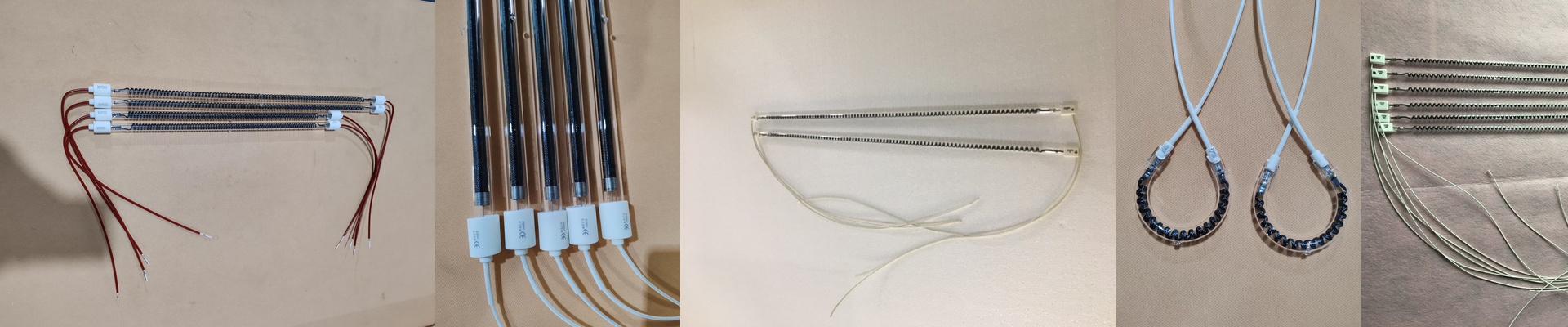
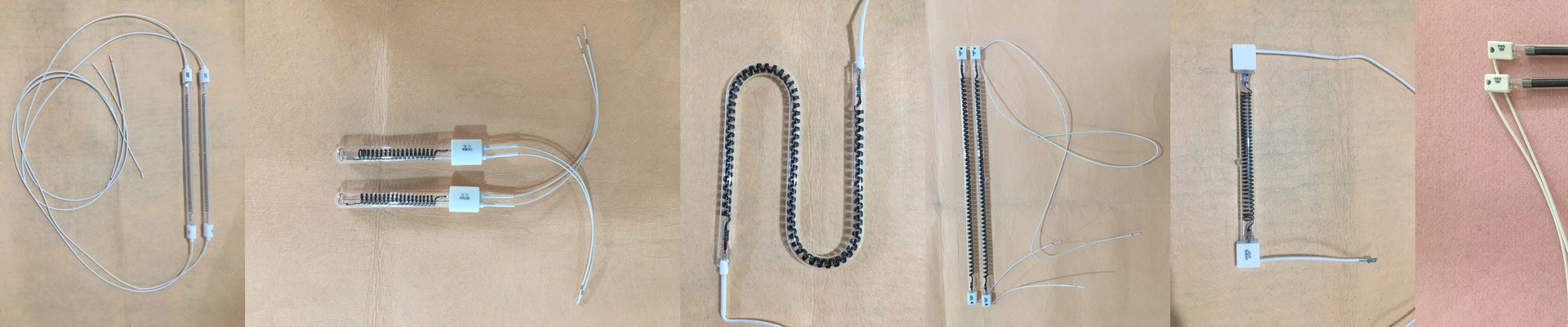
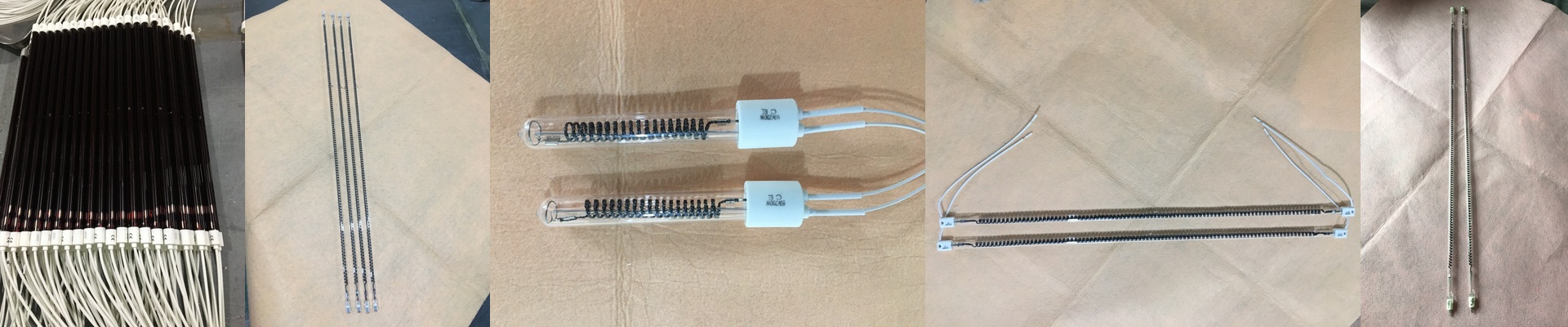
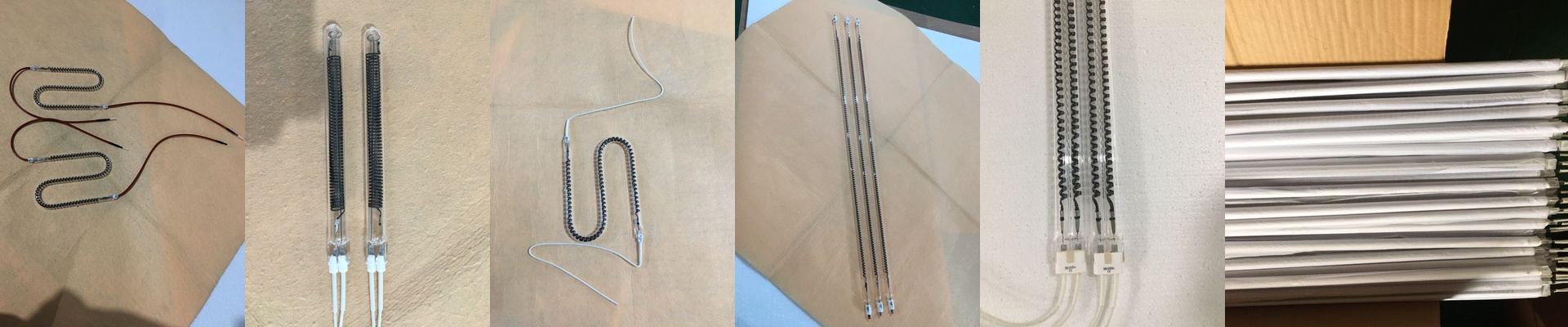
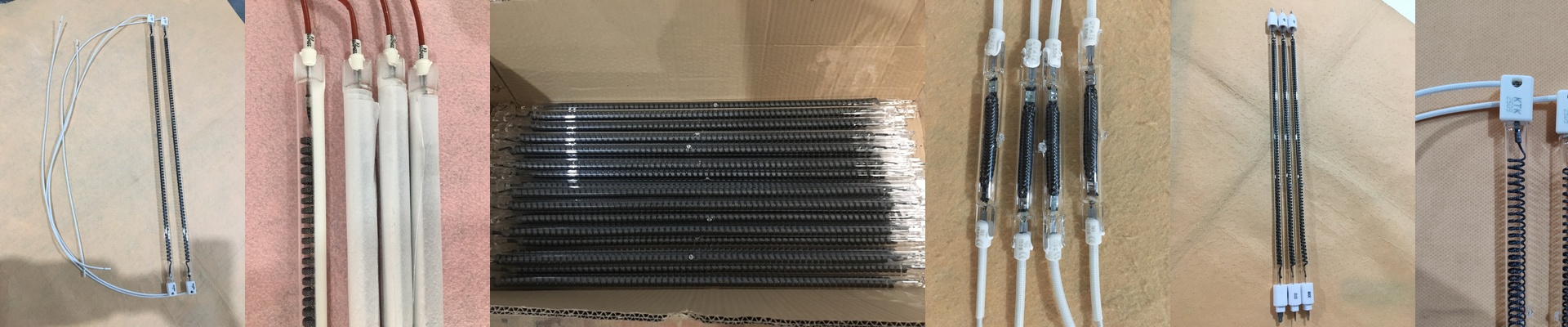
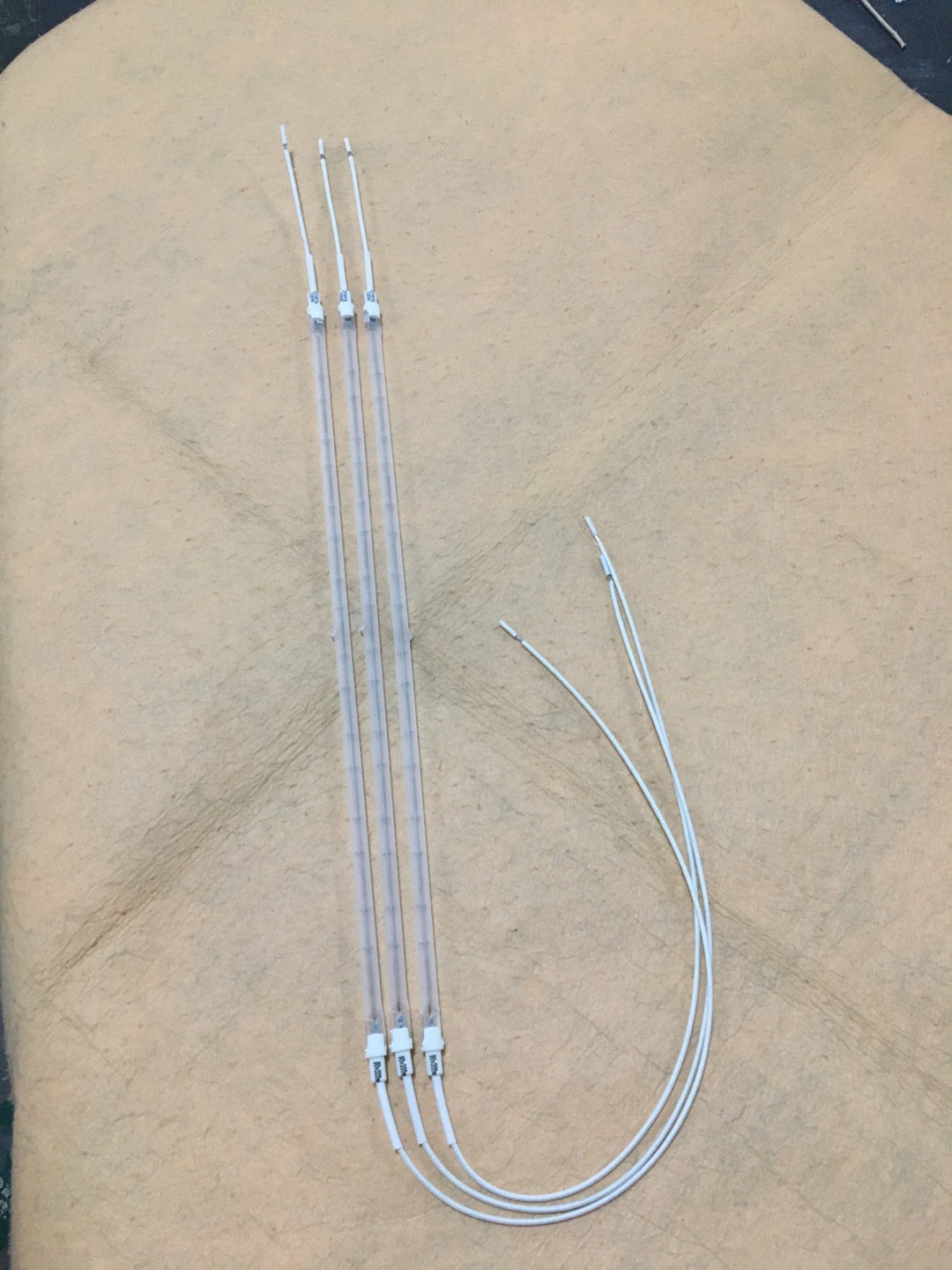
The tube itself is quartz. It’s the right choice because it shrugs off thermal shock and stays steady in the infrared range. Inside, a carbon filament runs hot, while the halogen gas fill keeps the filament from evaporating. That’s the secret to stable output over the life of the lamp. The R7s connector is straightforward, industrial-grade, and built to handle the heat right at the ends of the tube. It makes for a solid, repeatable connection every time. We also add a reflective coating to the back. It directs more of that radiant energy forward, so you get the heat where you want it and less is wasted backward into the housing.
What It Feels Like in a Real Sauna
In a sauna, you need heat that kicks in fast and stays steady. Carbon infrared delivers a high heat density from a small tube, which makes planning your heater layout way easier and cuts down on warm-up time. The quartz envelope and the halogen chemistry handle the constant on-off cycling, and the R7s termination keeps installation clean and simple. Now, the trade-off: the shortwave profile gives you intense radiant heat. So you do need to manage shielding and airflow. That’s how you avoid hot spots and keep the materials nearby within their temperature limits.