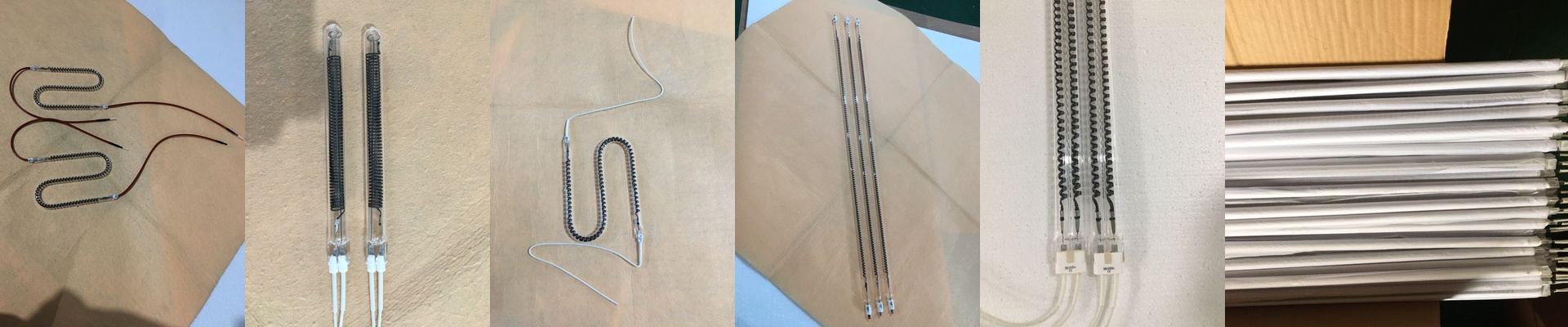
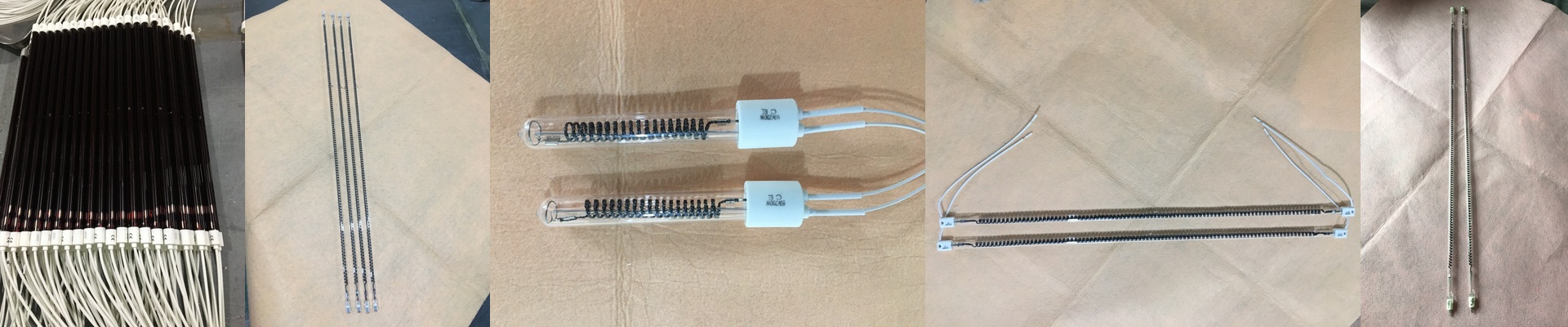
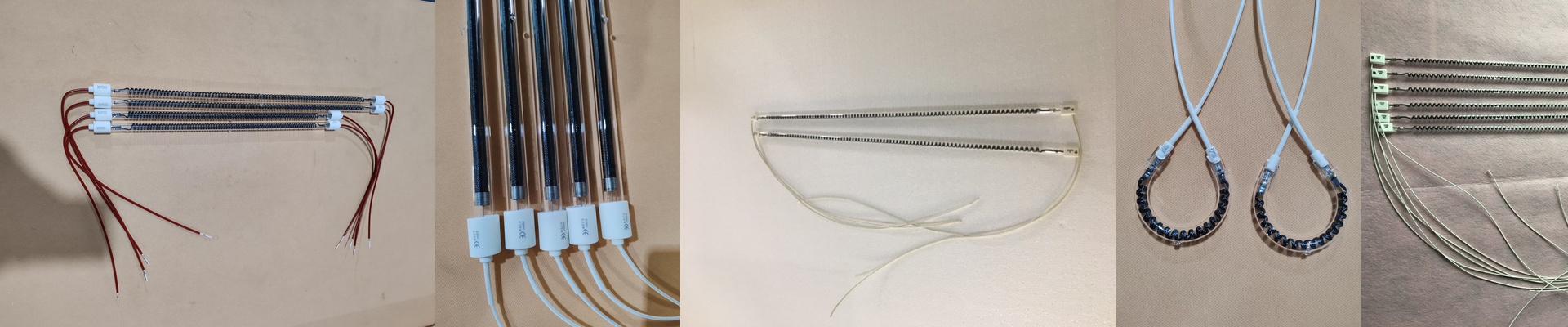
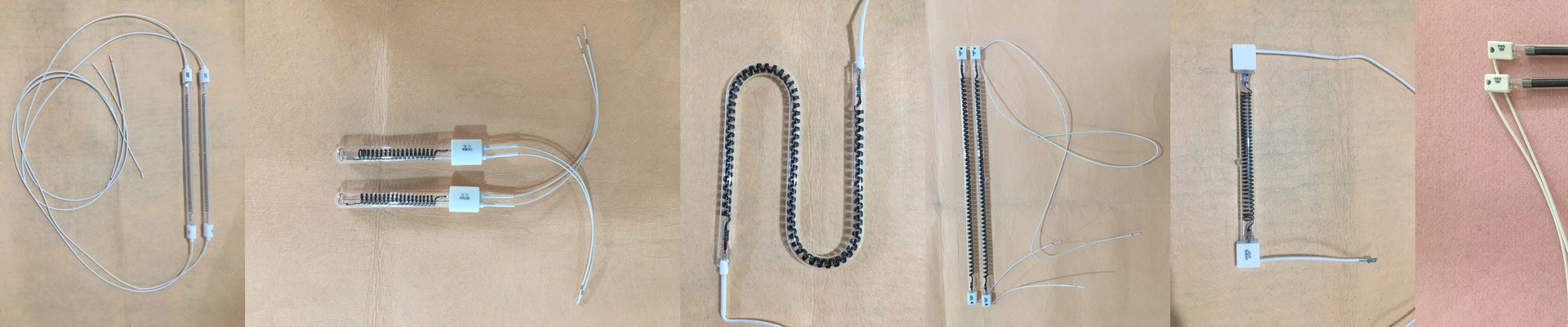
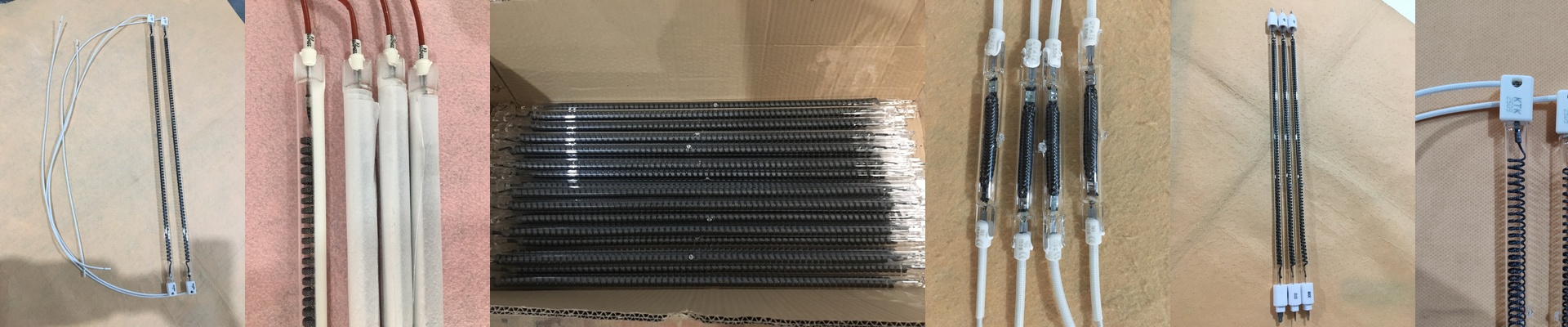
Let’s Talk Carbon Coated Glass Tube Heaters
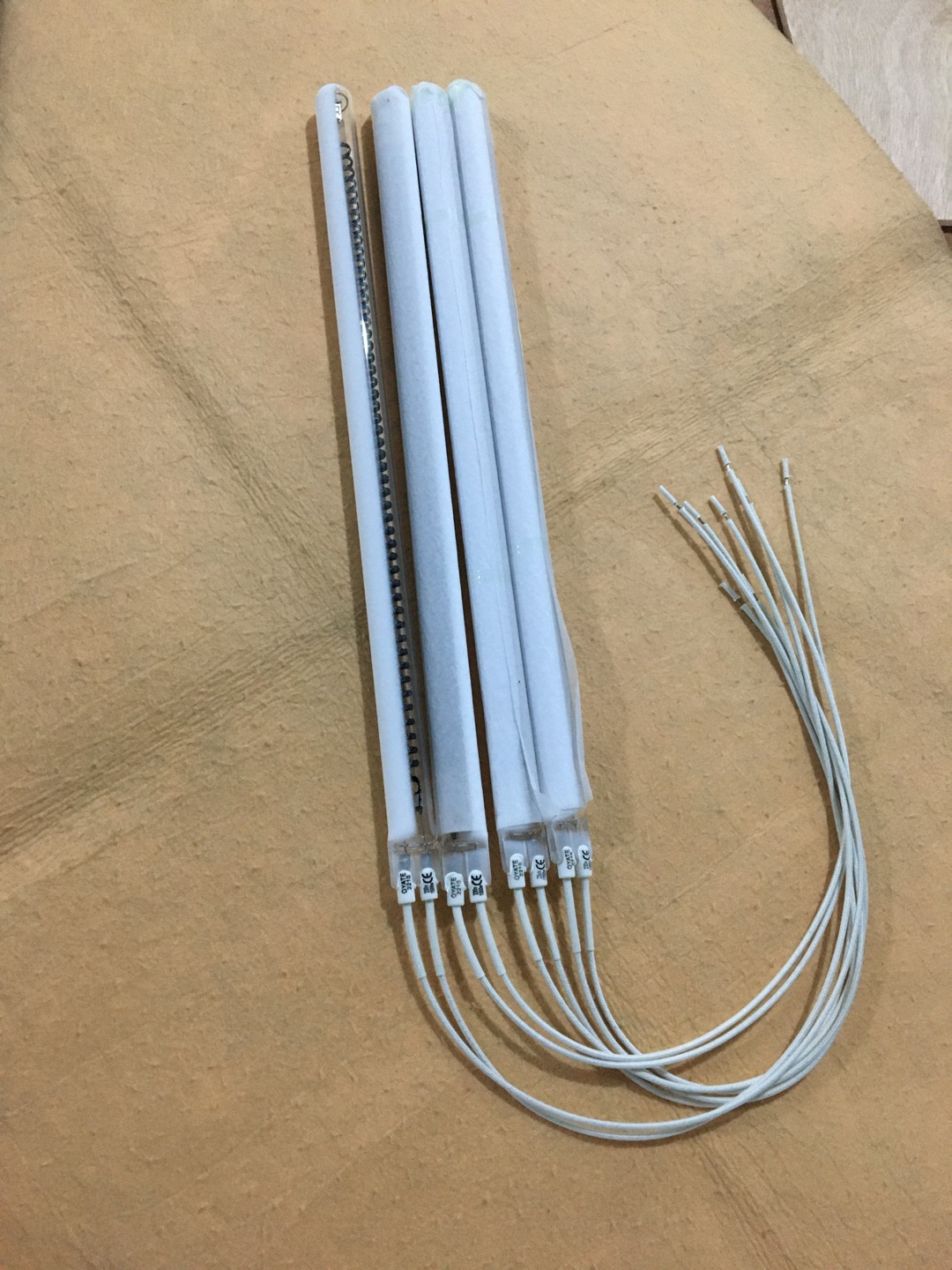
Ever wonder why some heaters just work better for plastics than others? It usually comes down to the carbon coating. Basically, we take a quartz tube and add a thin layer of carbon to the glass. This tweaks the light and heat, pushing the energy into specific bands that polymers and plastics actually want to soak up. Instead of the heat just bouncing off, the material drinks it in. Getting the power right When you’re picking your tubes, keep an eye on the wattage versus the length. If you jam a ton of wattage into a short tube, you’re going to get some seriously intense surface heat. And here is a pro tip: watch out for that initial startup surge. I’ve seen too many engineers forget about the startup current. If your power supply can’t handle that first hit, you’ll fry your filaments way sooner than you should. It’s a frustrating way to waste a part. The build and the plugs We use quartz because it doesn’t crack when things get hot and cold quickly. The carbon coating does two things: it stops that blinding glare you get from clear lamps, and it forces the heat forward. You want the heat hitting your product, not leaking back into your machine and baking your electronics. As for the connectors, we usually go with R7s or Sk15. They’re pretty much standard for industrial ovens. The R7s is a simple push-in fit. It’s a lifesaver during a production shutdown because you can swap lamps out in seconds without having to rewire the whole bank. Real-world use (and the catches) If you’re doing PET blowing or shrink wrapping, these are your best bet. They hit the target almost instantly. Your cycle times drop, and you can actually fit your machine into a smaller space. But it’s not all magic. There are a few things to watch for. Since these run hotter than your average heating element, you have to keep your reflectors spotless. A bit of dust might not seem like much, but it can kill your efficiency by 20% or more. Also, that heat density is no joke. Make sure your cooling fans are actually up to the task. If they aren’t, you’ll end up with melted socket housings, and that’s a mess nobody wants to clean up.