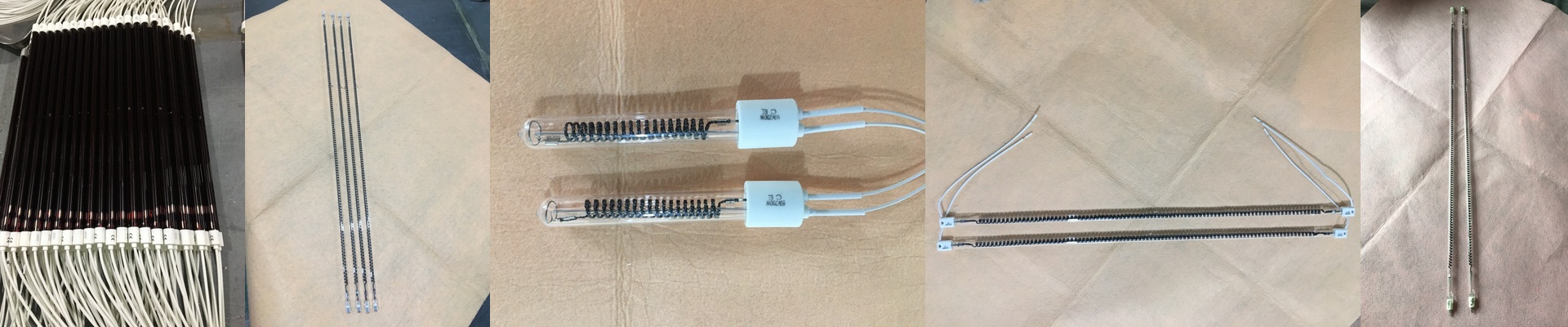
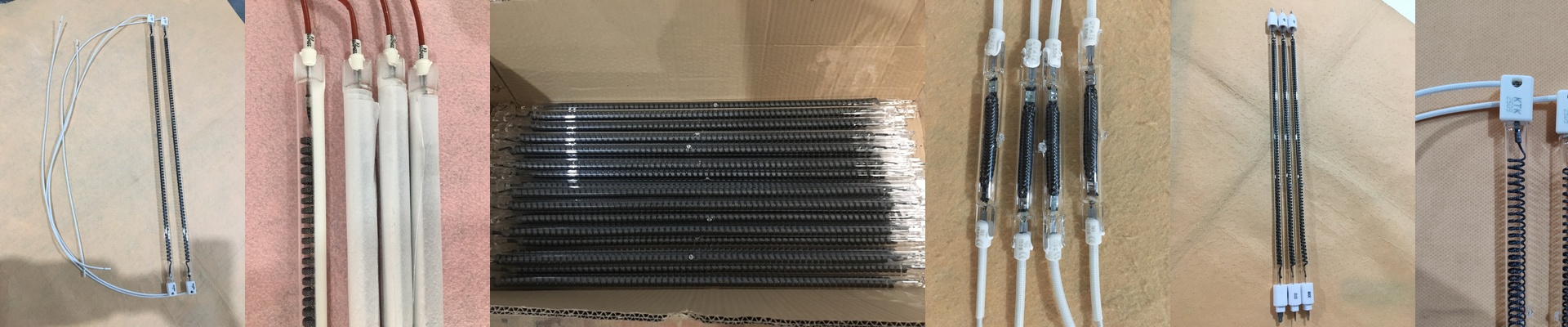
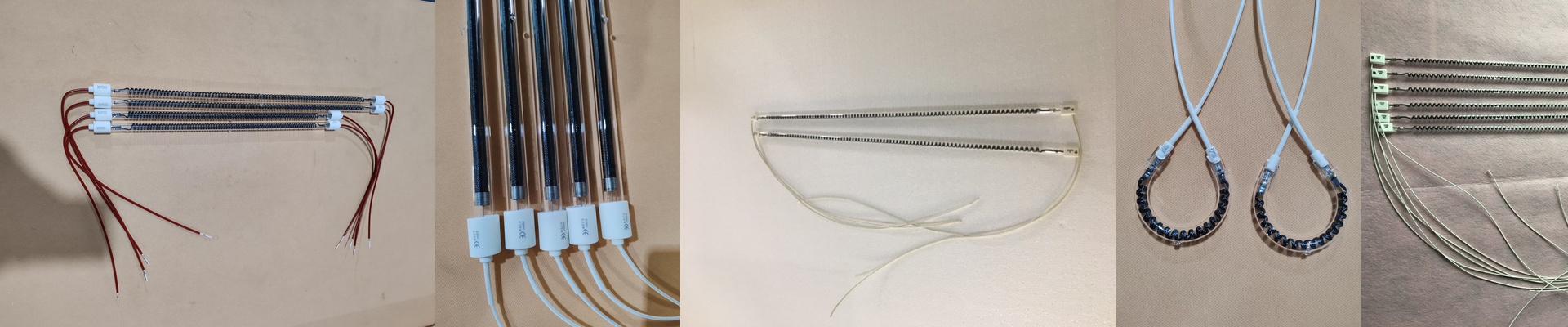
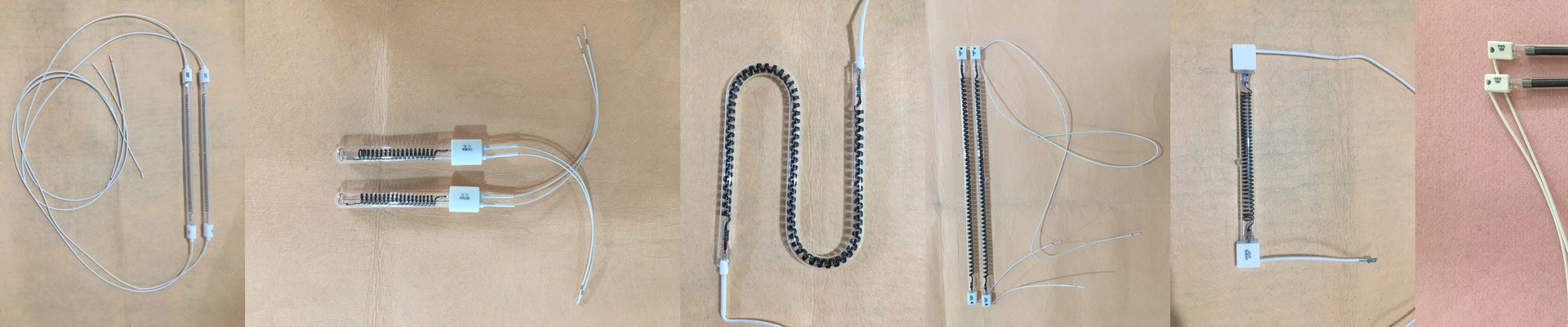
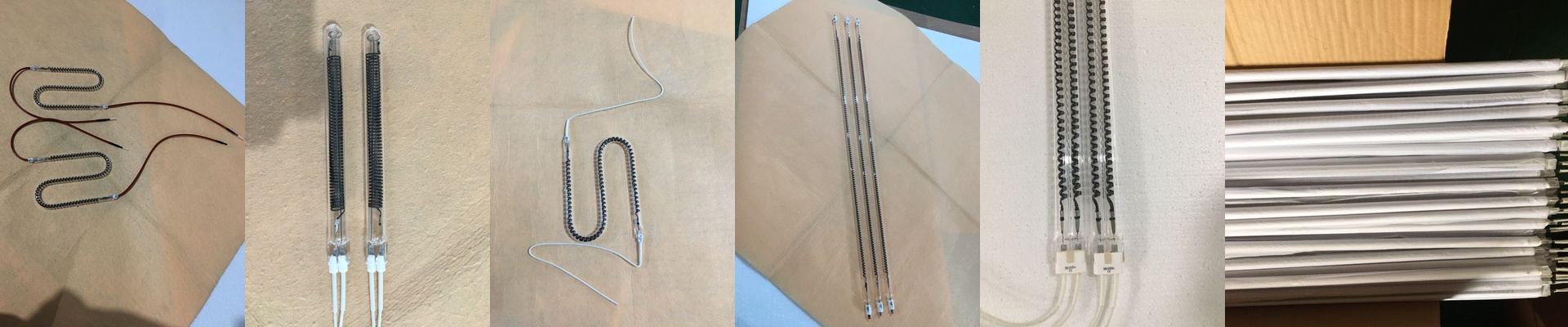
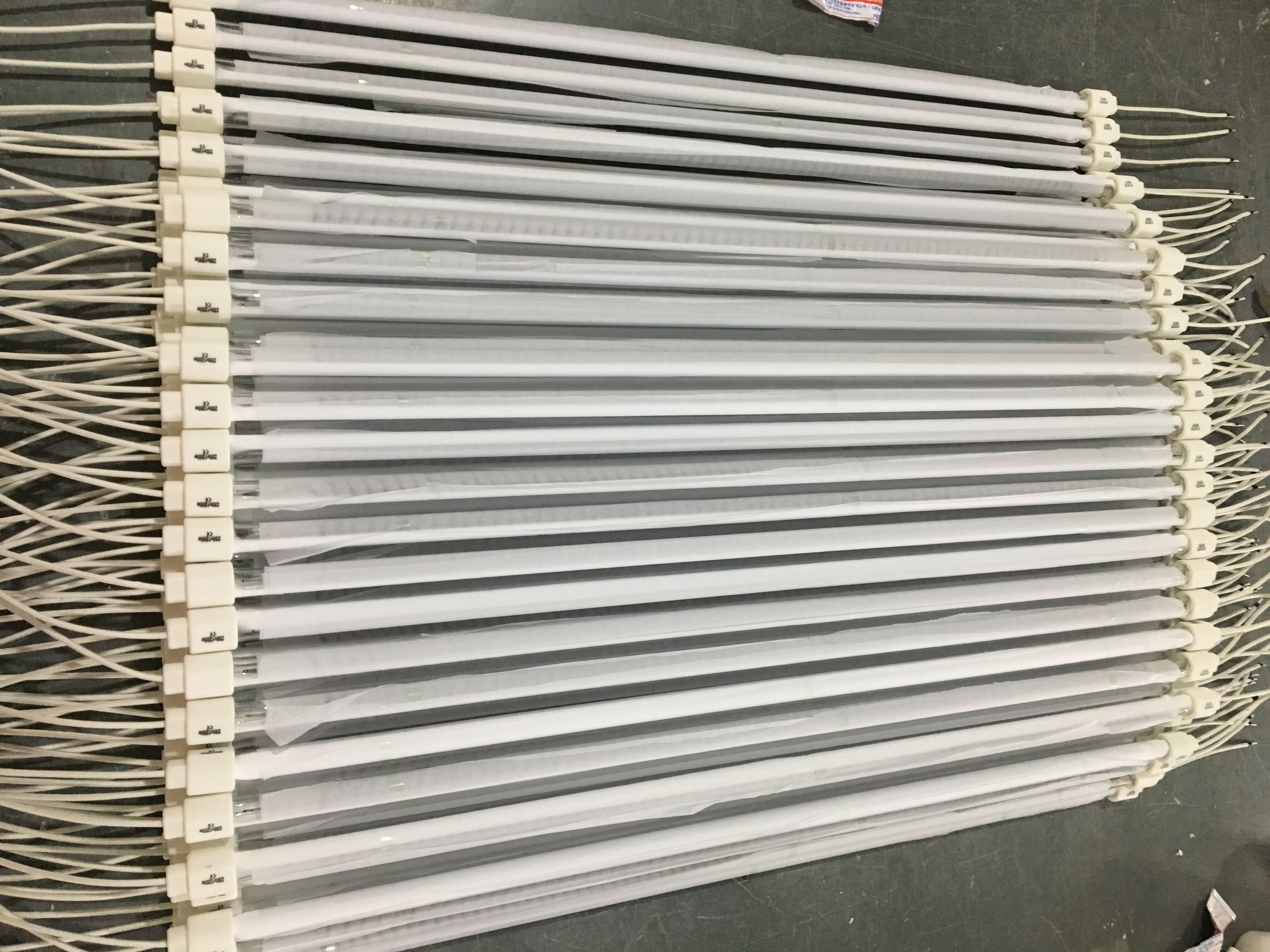
Let’s Talk Carbon Fiber Infrared Heater Tubes
Ever wondered how to get a massive amount of heat into a product almost instantly? That’s where carbon fiber heater tubes come in. Basically, we take a conductive carbon filament, wrap it in a high-purity quartz envelope, and you get this powerful blast of short-to-medium wave infrared radiation. It’s built for those moments when you can’t afford to wait for a heater to “warm up.” You need heat, and you need it right now.
Getting the Power Right
Here is the thing about these tubes: it’s all a balancing act between voltage, wattage, and length. If you cram a lot of wattage into a short tube, you get an incredible amount of heat flux per square inch. It’s powerful. But you have to be careful. If you try to cheat the system by over-volting the filament just to hit your target temperature a few seconds faster, you’re going to fry the lamp. **Play it safe.**Match your power supply to the rated voltage, or you’ll be replacing tubes way more often than you’d like.
The Nitty-Gritty on Build
We use quartz glass because it lets the IR radiation pass through without getting in the way. And since carbon has lower electrical resistance than tungsten, the heat spreads out more evenly across the whole tube. No weird hot spots. As for the fit? We know you don’t want to spend your weekend rewiring a whole control panel. That’s why we offer R7s or Sk15 connectors. You just pop the old one out and drop the new one in. Simple. Plus, for some of the trickier materials that just won’t absorb standard IR, we can add a specialized coating to shift the emission spectrum. It’s like tuning a radio to the exact frequency your material wants to hear.
Real-World Use (and the Gotchas)
You’ll see these all over the place in PET bottle blowing and plastic shrink wrapping. They hit operating temp in seconds, which means your cycle times drop and your output goes up. But there’s a catch. Because these things pack such a punch, the quartz getsscorching hot. You can’t just slap them in and walk away. You need to get your cooling fans and shielding dialed in. If you don’t have enough airflow around the ends of the tube, the seal where the wires meet the quartz can just give up. And one last tip: keep your reflectors clean. A little bit of dust on the mirror might not seem like a big deal, but it kills your efficiency. It forces the tubes to run hotter than they need to, which just wears them out faster. Keep it shiny, and your gear will last.