Carbon Fiber Halogen Infrared Heaters: The Skinny on What Makes Them Tick
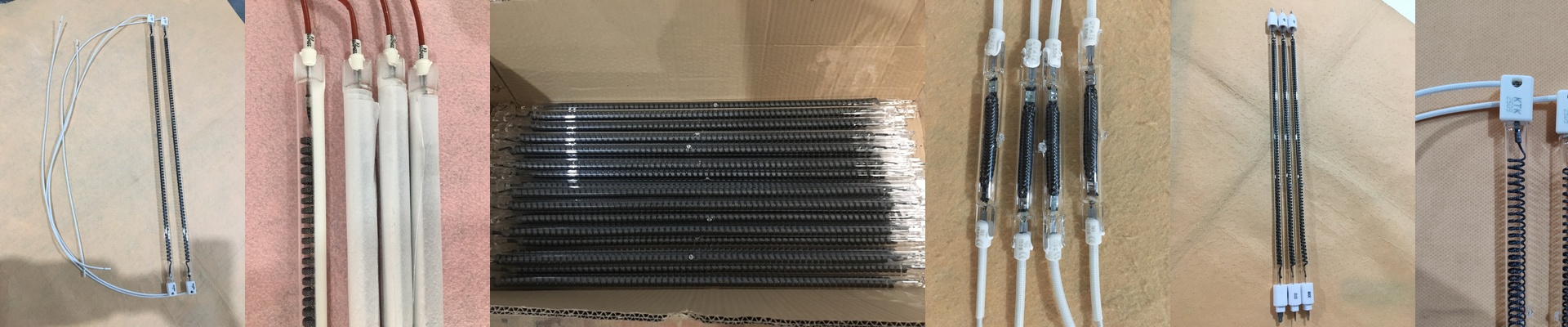
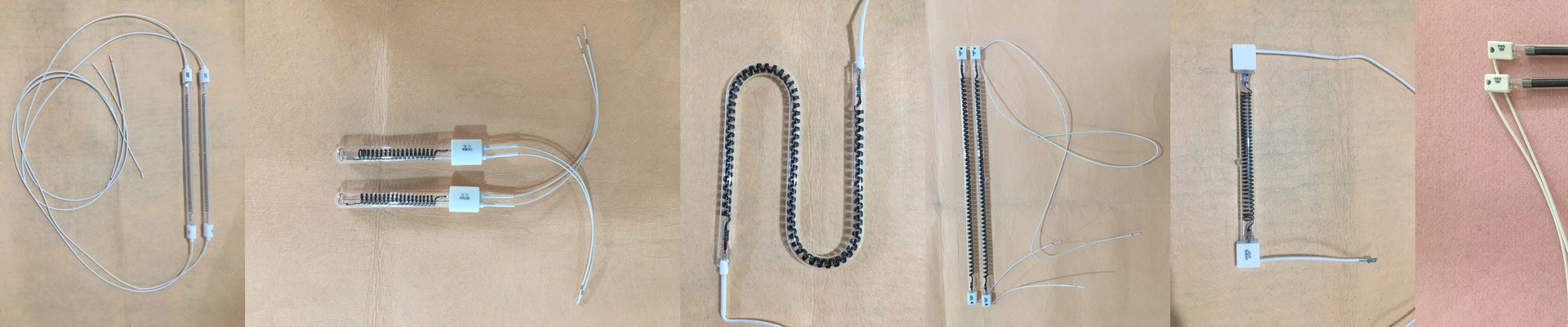
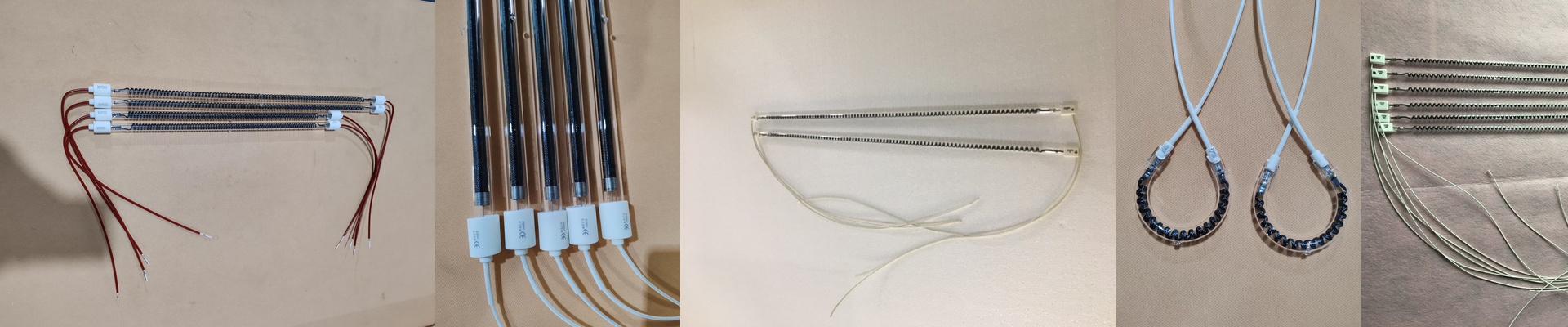
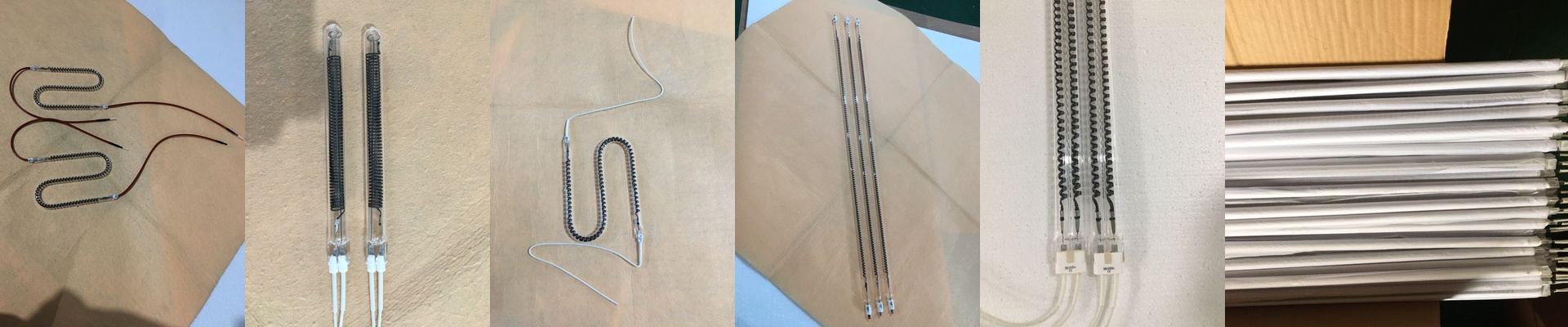
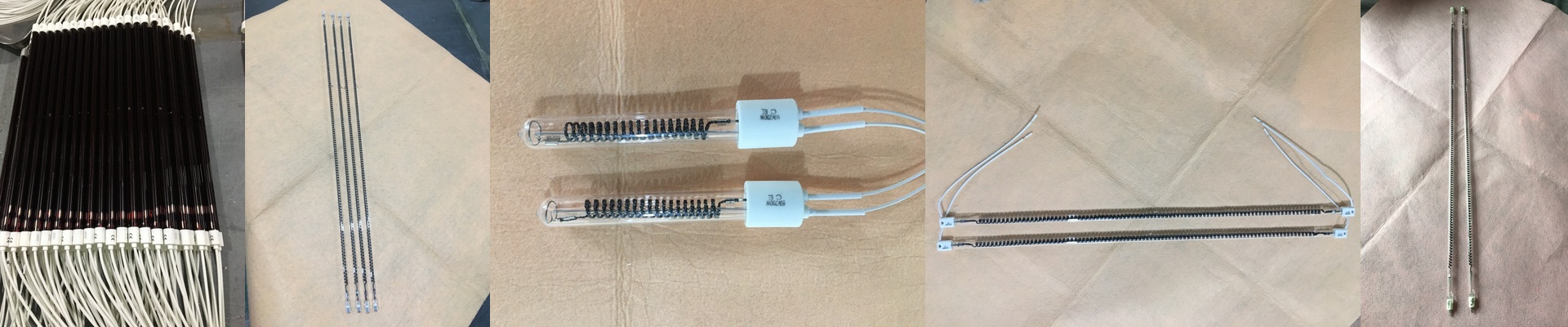
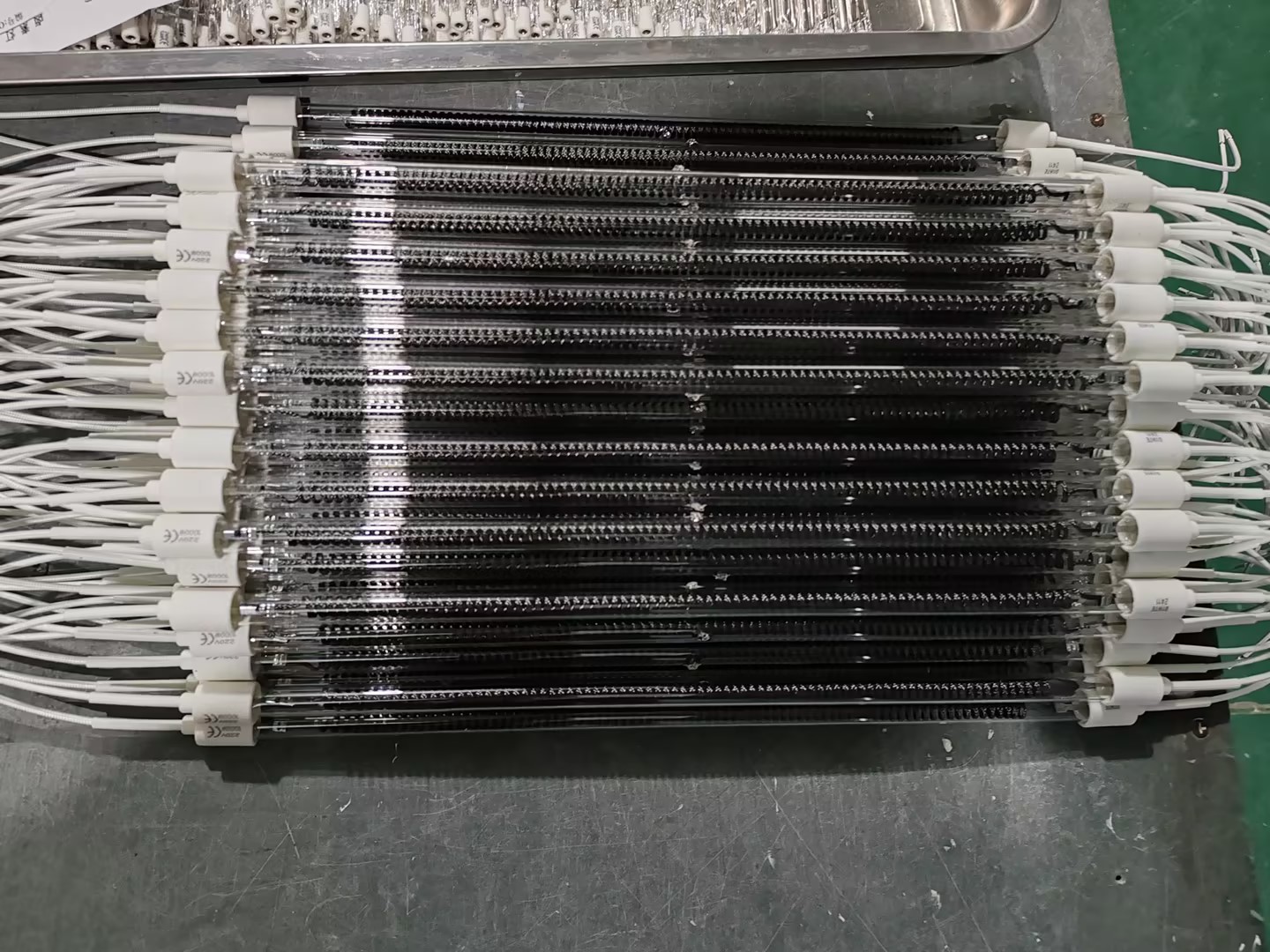
We built this carbon fiber halogen infrared heater to be your go-to workhorse—a compact powerhouse for industrial heating and curing. Think of it as the reliable friend that shows up, gets the job done, and doesn’t make a fuss. At the heart of it all is the quartz tube. It’s the backbone, chosen because it can take the heat—and the sudden temperature swings—without cracking under pressure. Inside, the carbon filament is what gives you that lightning-fast ramp-up time. You need heat, and you need it now? It delivers. And once it’s there, it holds steady, so your process stays consistent, even in a tight spot. Let’s talk numbers, because they matter. We’re looking at a typical setup of 400V, 2500W, packed into a 300mm active length. That’s a serious amount of heat coming from a small package. But here’s the thing: that kind of power density means you have to plan accordingly. Your control wiring, the contactor rating, even your machine’s ventilation—they all need to be up to the task. And for the connection, we went with an R7s terminal. It gives you easy, line-of-sight access, which makes swapping it into an existing fixture a total breeze.
Why We Chose the Materials We Did
That quartz tube isn’t just any old glass. It’s engineered to handle the intense internal halogen cycle and keep that filament stable, even when things get scorching. Its IR-clear finish is a quiet hero, making sure as much energy as possible leaves the tube as usable heat, instead of getting lost. We also offer a ruby coating on some versions. Why? To cut down on the visible glare. This is perfect for sensitive environments where glare can mess with your process. Just know there’s a slight trade-off in the light spectrum, so you pick the right one for your specific job. And that carbon fiber filament? It’s tough, it handles the high temps, and it keeps its resistance steady, which means your heat output stays rock-solid over time.
Where It Shines and What to Expect
This heater was born for jobs that need fast response and precise, localized control—think spot heating, drying, and curing. Its short length and high watt density are a gift when you’re trying to fit something into a cramped space without redesigning your whole machine. Installation? It’s straightforward. Wire it up through the R7s terminals, set your controls, and you’re off to the races. You’re going to get a lot of heat from a small footprint, so plan for it. Make sure your cooling is up to snuff and your voltage matches. Do the math on your load and how often it cycles. If the rest of the machine can’t handle the heat, the lamp will still run hot. So, just make sure the surrounding components are sized to match the intensity.