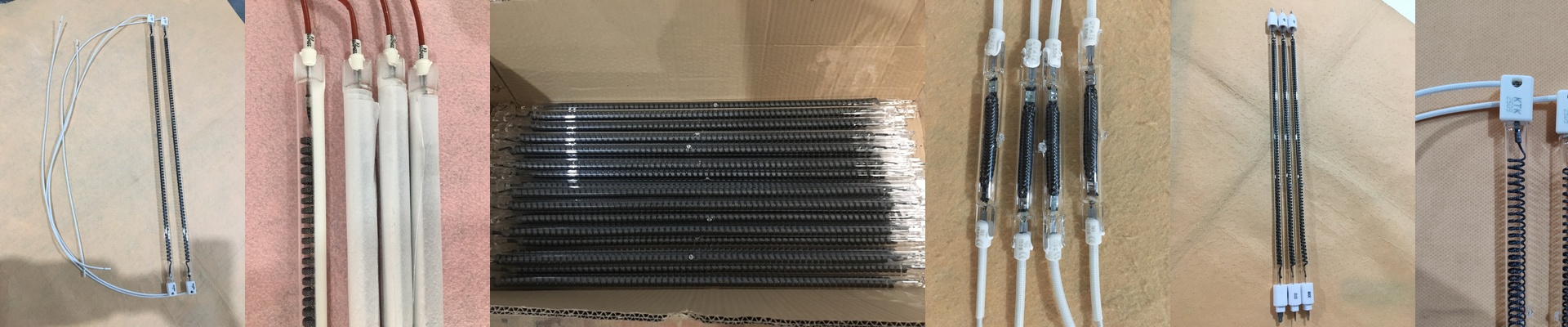
Carbon Fiber Quartz Heaters: The Real Deal on Power, Coating, and the R7s Connector
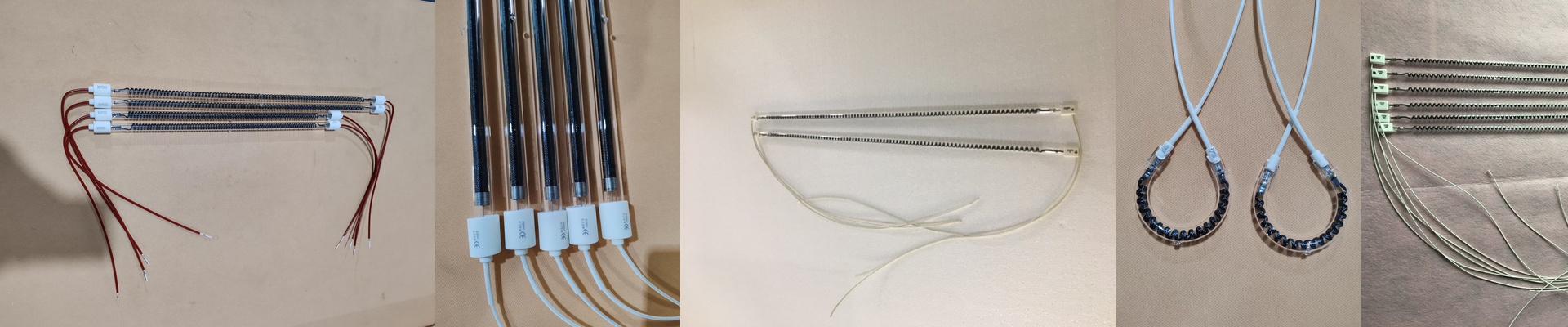
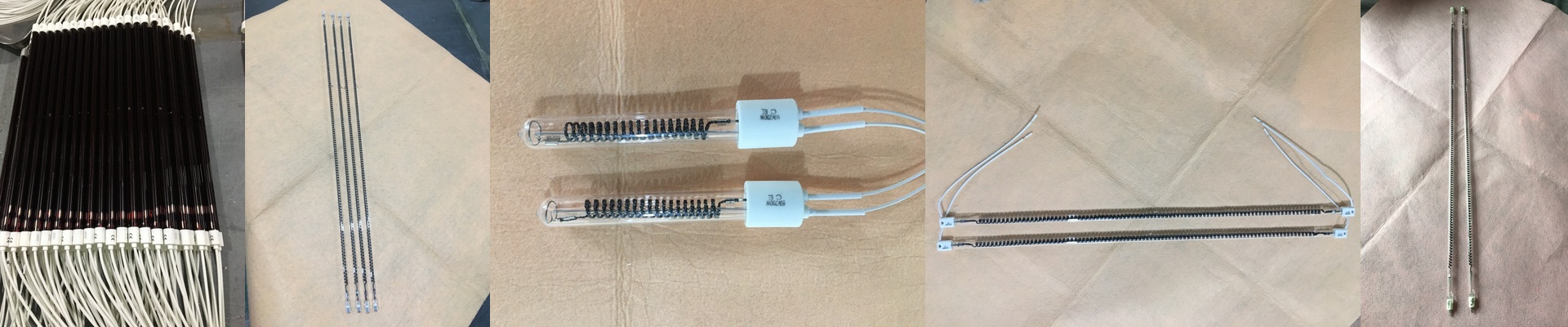
We built this carbon fiber quartz heater to be the tough, reliable drop-in you can trust on a demanding industrial line. It’s for the folks who need serious heat in a compact package—and can’t afford to burn out. Forget a general-purpose bulb. This is a focused tool, designed to get the job done.
Power, Voltage, and Size: What You Actually Need to Know
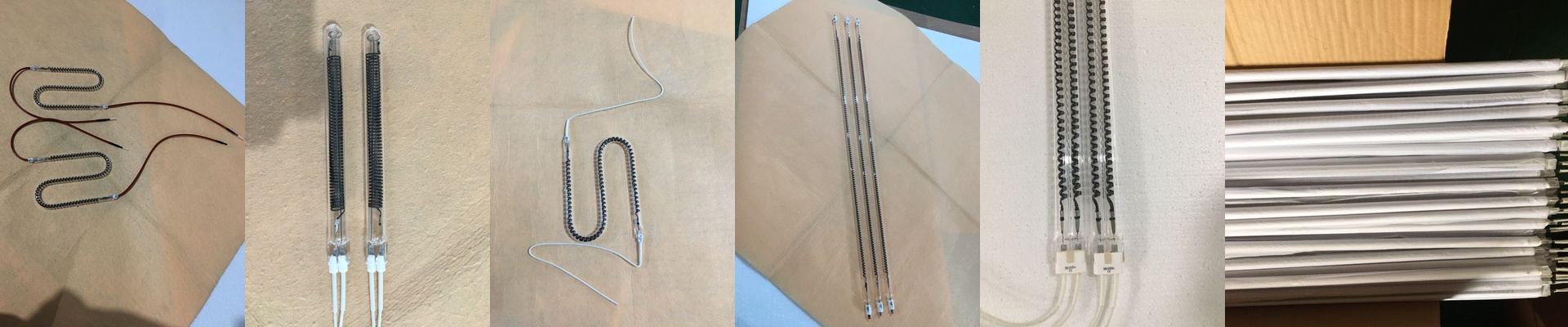
Here’s the heart of it. This heater runs on 400V, which means it can handle higher line voltages. The payoff? Lower current for the same wattage. In practice, that translates to smaller wiring and less wasted heat inside the machine enclosure. We’re talking about serious wattage—around 2500W—packed into a 300mm tube. That’s a lot of heat in a small footprint, perfect for tight spaces. But let’s be honest: packing this much power into a short quartz tube is a balancing act. You’ve got to have your cooling and heat shielding nailed down to keep everything else in the machine safe.
The Design That Makes It Work
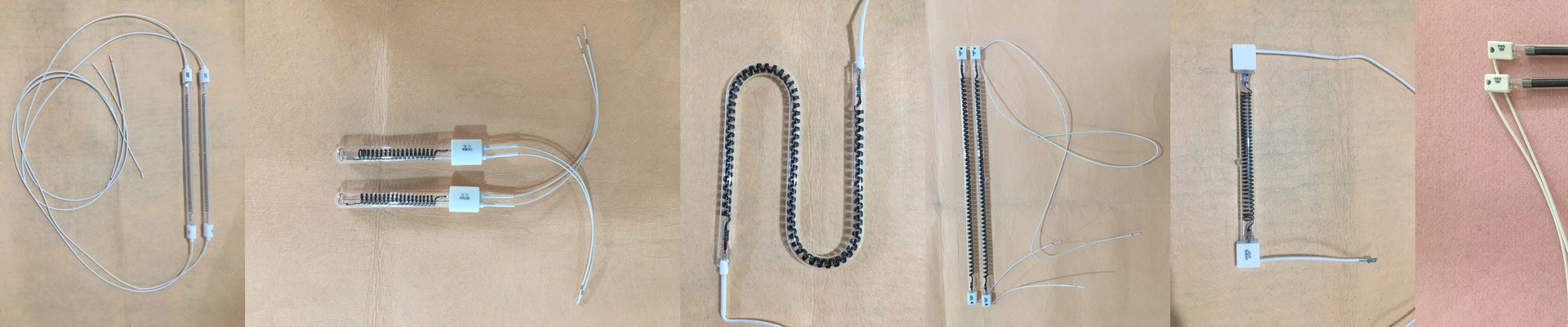
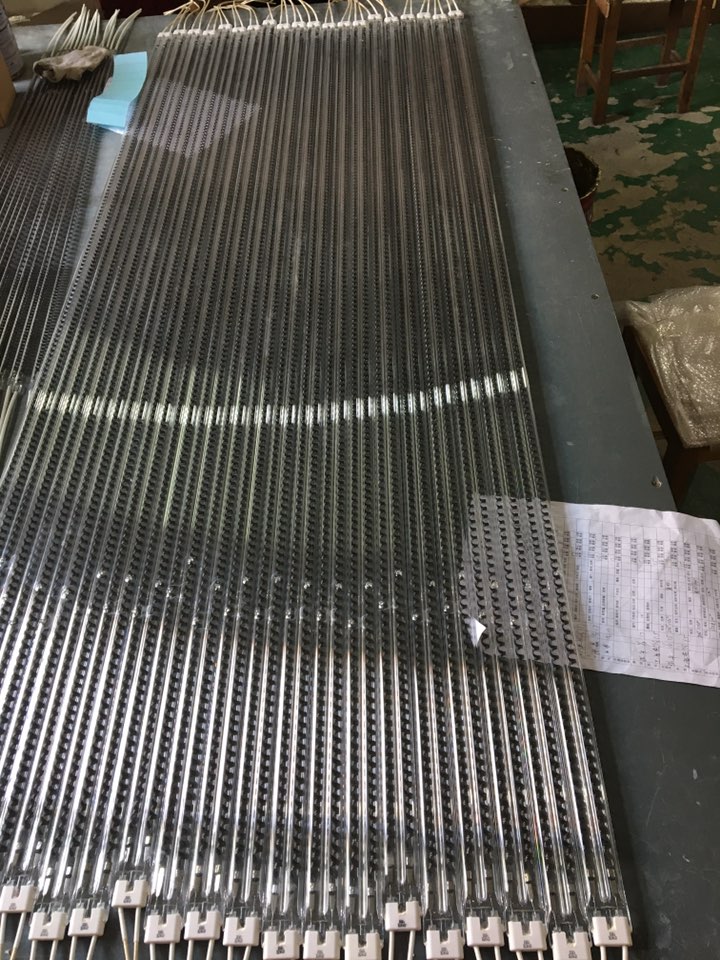
Inside the quartz envelope, you’ve got a carbon fiber heating element and a halogen fill gas. The halogen cycle does the quiet work of keeping the element clean, returning evaporated material back to the filament. The result? Consistent output over the life of the lamp. That gold coating isn’t just for looks. It reflects infrared energy back toward the target, so you get tighter, more directional heating—and less wasted heat. Then there’s the R7s (or Sk15) double-ended connector. It’s built for high temperatures and holds up to vibration way better than standard screw terminals. When it’s time to replace the lamp, it’s a straightforward swap. No fuss, no downtime.
Where It Shines: Heat Where You Need It
This setup shines when space is tight but heat can’t be compromised. Pre-heating. Drying. Curing. Localized melting. It hits a specific temperature fast and holds it steady. The R7s/Sk15 base makes lamp changes quick, so the line keeps moving. You get predictable heat, a predictable fit, and predictable maintenance intervals—because when the machine is running, you don’t want surprises.