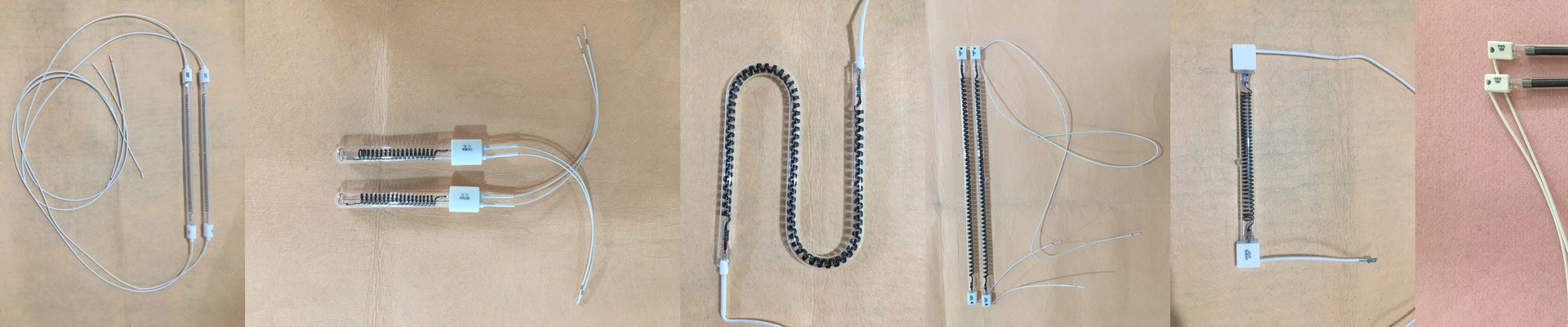
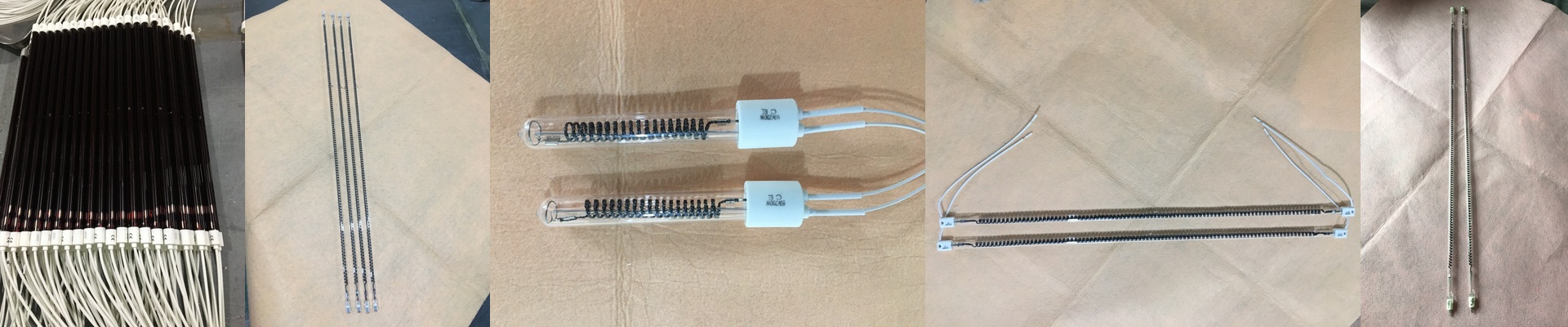
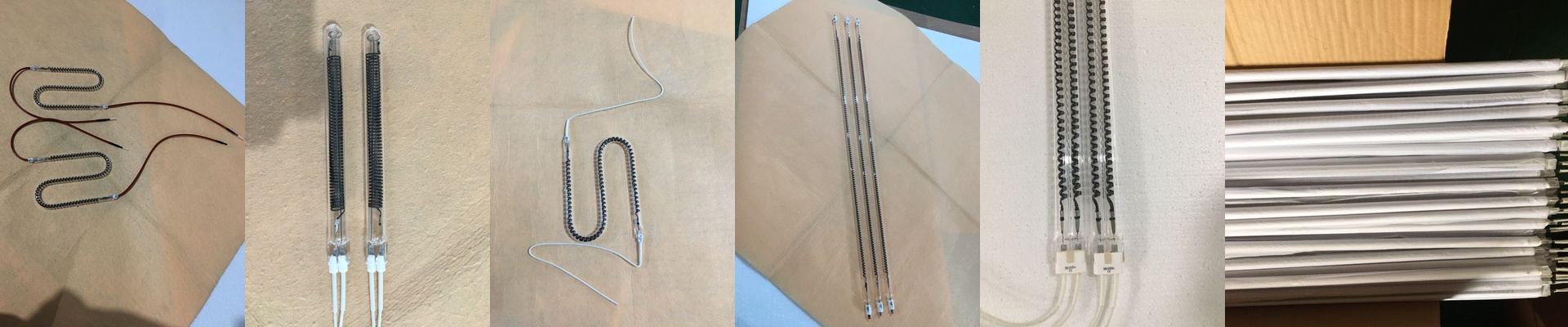
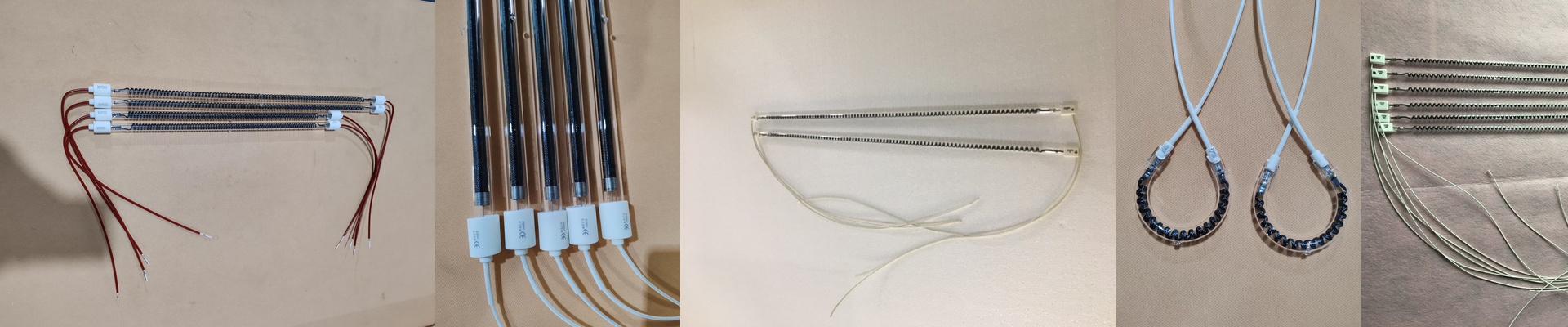
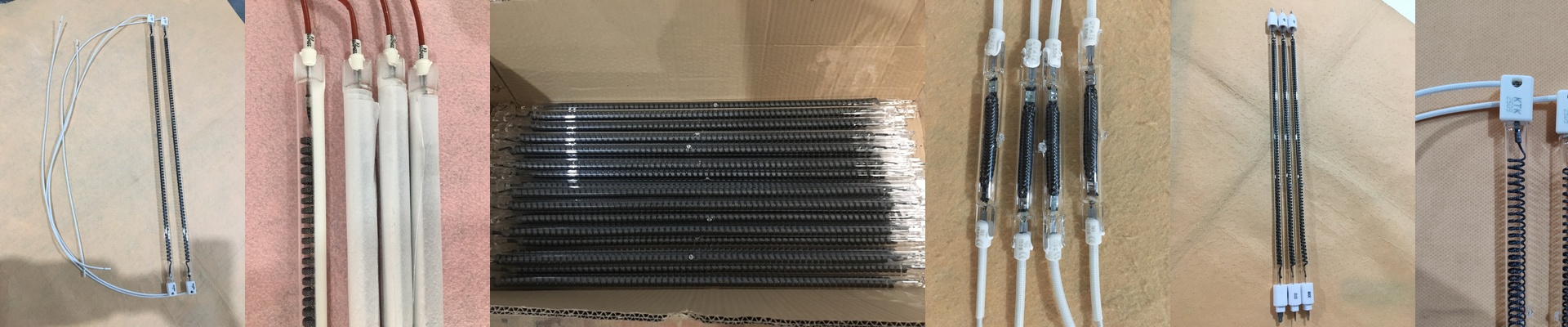
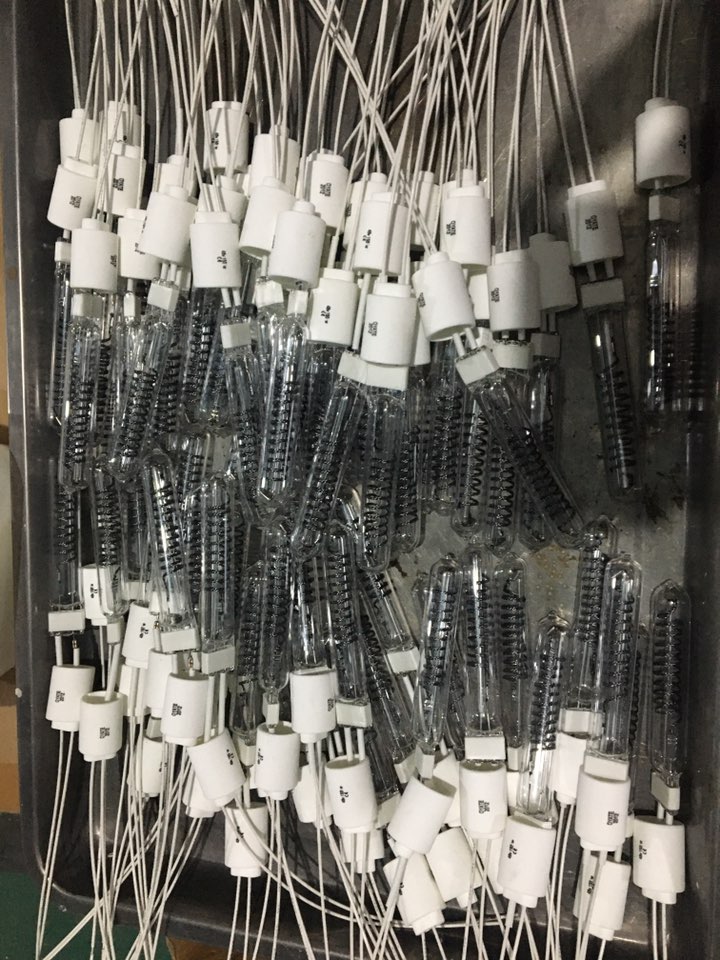
Getting Paint Curing Right with White Carbon Fiber Lamps
If you’ve ever struggled with paint curing, you know the headache. You need the surface to flash off and the polymer to set quickly, but if you push too hard, you end up overheating the whole part. That’s why we lean on white carbon fiber lamps. They just handle the physics of heat differently than those old-school quartz halogen tubes. The heat is different. Most heaters just warm up the air around the part. Not these. These lamps use shortwave IR radiation, which means they push energy straight into the paint film itself. It’s a fast jump to curing temperature. But here’s the trick: you have to get the wattage per centimeter just right. If you crank it too high or put the lamp too close, the paint “skins over.” This traps the solvents underneath and ruins the finish. Or worse, you just scorch the whole thing. What’s actually inside? When we say “white,” we’re talking about a special coating on the emitter. It’s designed to work better with specific pigments. We wrap everything in high-purity quartz because these lamps cycle on and off fast, and that creates a lot of thermal shock. One pro tip: check your connectors. Make sure they’re tight. If you have a loose fit, you’ll get arcing at the terminals, and your end caps will burn out before you know it. Making them work for you The good news is that these usually slide right into your existing curing tunnels. They’re faster than halogen arrays, which means your line moves quicker. But there’s a catch. Because the heat is so concentrated, your reflectors have to bespotless. Seriously. A little bit of dust or a smudge of oil on the mirror creates hotspots, and suddenly your curing is uneven across the part. Also, keep an eye on your power supply. Carbon fiber elements are sensitive. If your voltage is spiking, you’re basically cutting the lifespan of your lamps short. Keep the power steady, keep the mirrors clean, and you’re golden.