A Straight-Talk Guide to Carbon Fiber Infrared Lamps
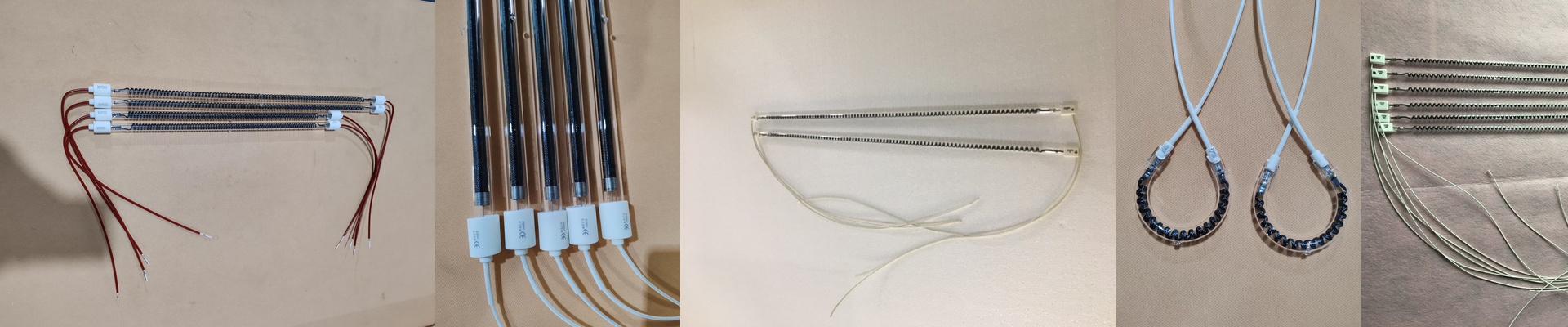
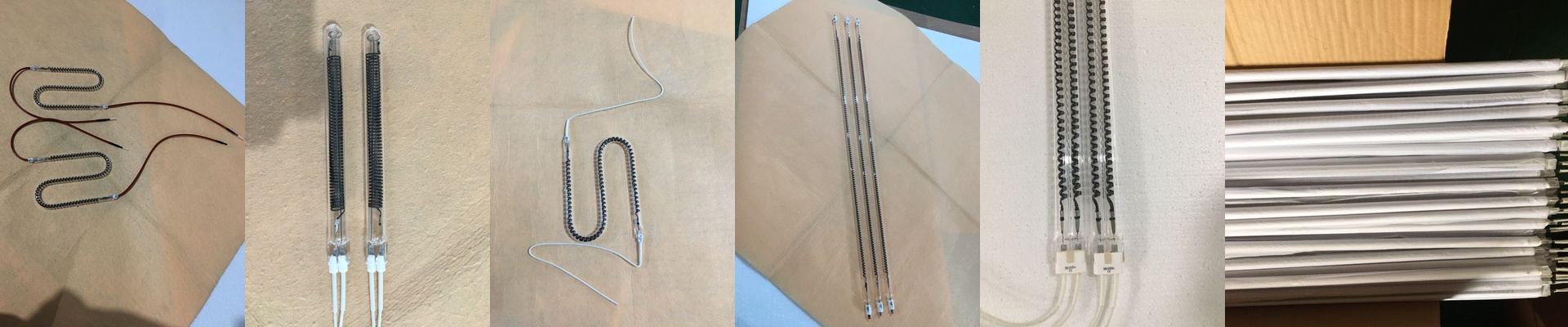
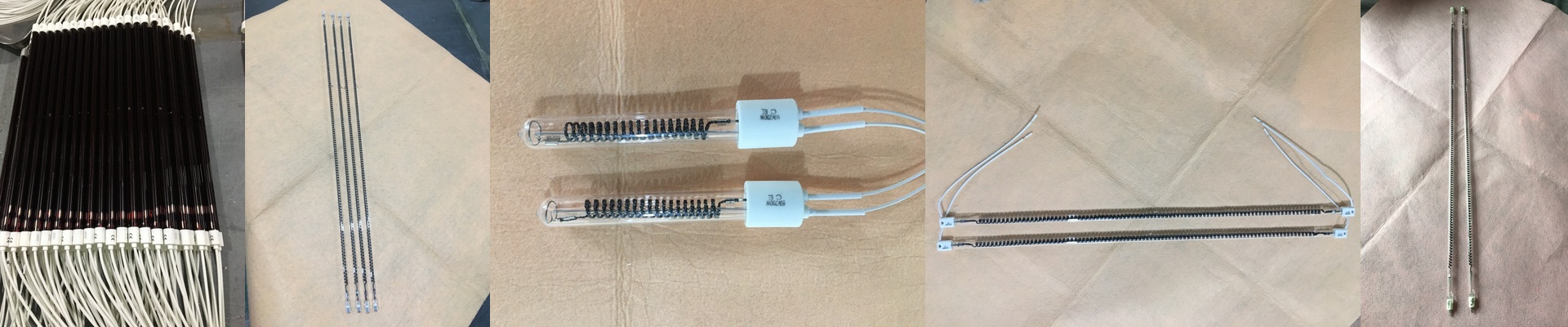
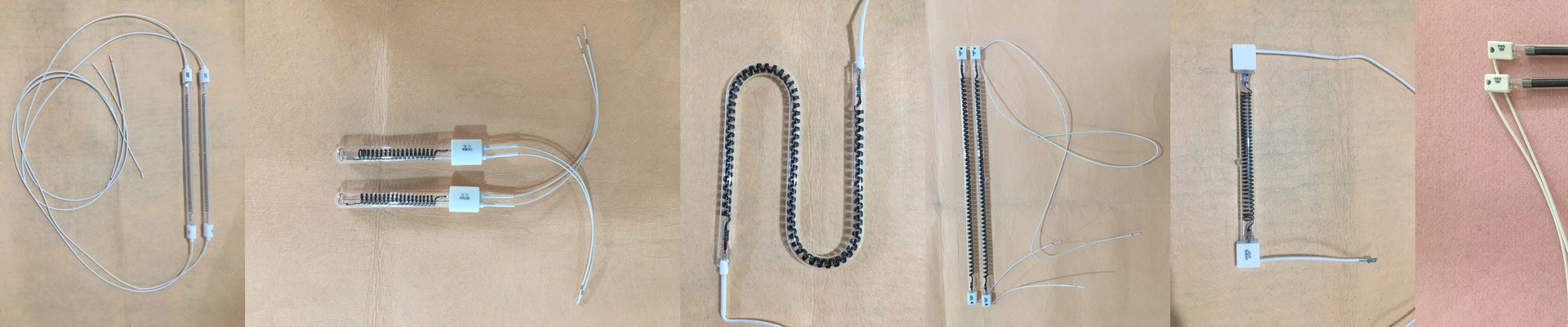
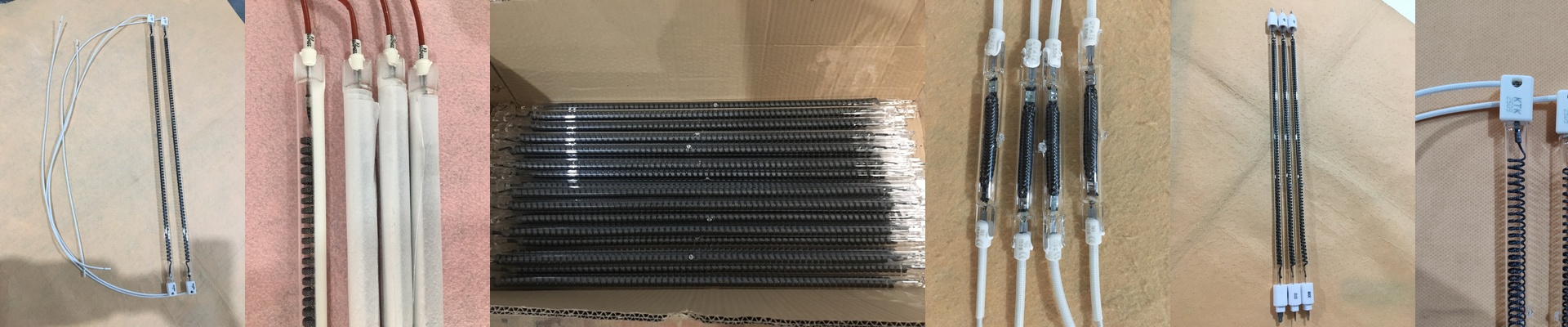
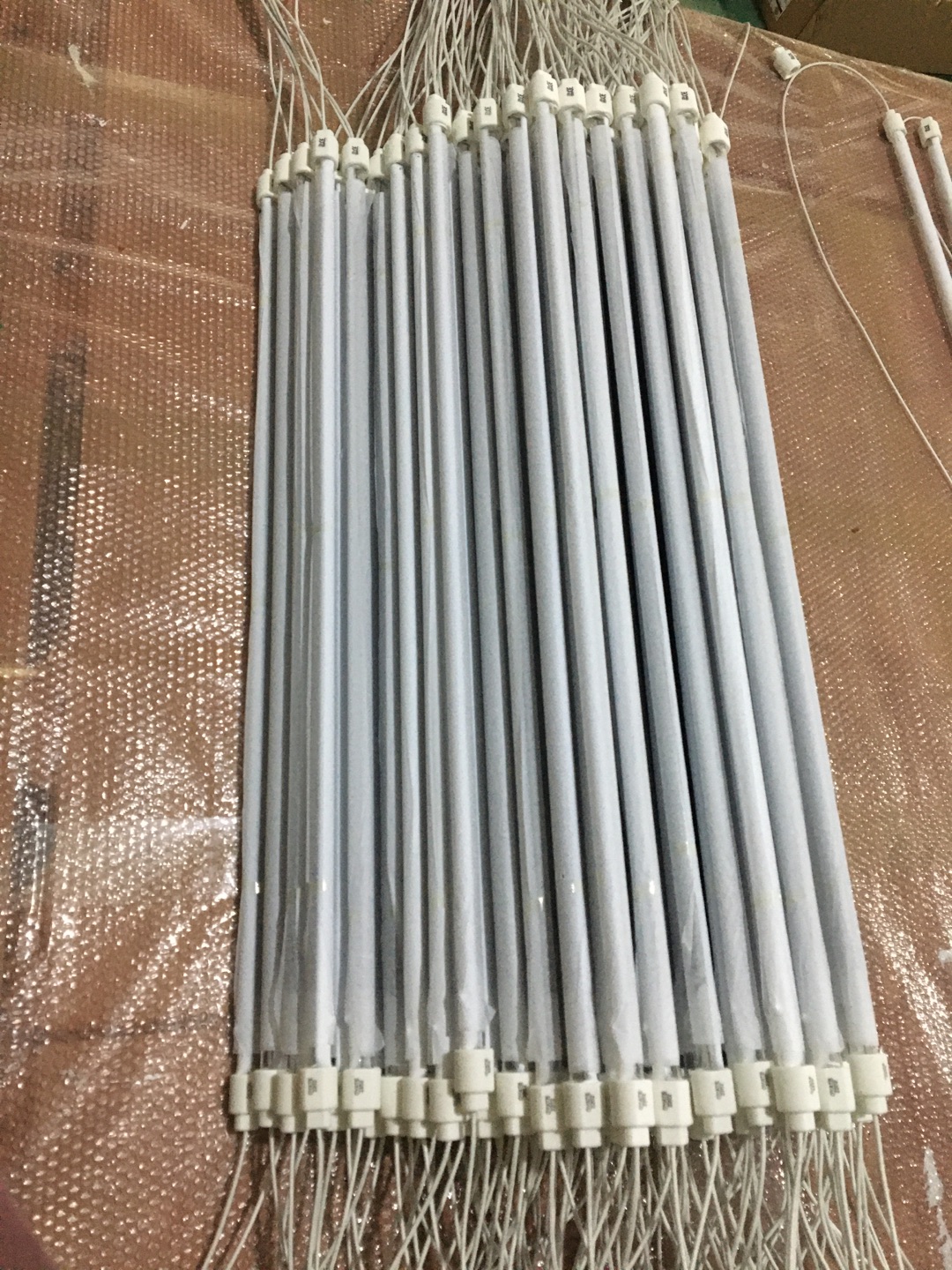
Basically, these lamps use a carbon filament tucked inside a quartz tube to blast out shortwave infrared heat. If you’ve used old-school metal halogen lamps, you know the drill. But these? They’re different. They focus on hitting the surface of your material with heat, and they do it fast. Let’s talk power and voltage. We build these things with a specific wattage-to-length ratio. Why? Because if we don’t, the filament will just burn out the second you start cycling them on and off. Now, if you go with high-voltage setups—think 230V or 400V—you can cram more power into a smaller space. It gives you a lot more heat density per centimeter. But here’s the catch: if you put a high-wattage tube in a tight housing, you’ve got to get your ventilation right. If that ambient heat doesn’t move away from the ends of the lamp, your seals are going to fail. Simple as that. The build and the plugs. We use quartz glass because it lets those infrared waves pass through without any fuss. Sometimes we add coatings to the glass, either to tweak the heat spectrum or just to keep chemical fumes from eating the filament. As for the plugs, we stick to the basics like R7s or Sk15. It makes life easier. You can just pop a new one in without having to rewire your entire heating bank. Plus, these connectors are designed to handle the lamp expanding and contracting as it heats up, so you don’t lose your connection. Where they actually work (and where to be careful). You’ll see these all over the place—PET blowing, curing paint, drying ink. The best part is that the carbon filament hits its operating temperature almost instantly. No more waiting around for the machine to warm up. It’s perfect for anything on a conveyor belt. But there is a trade-off. Carbon filaments are a bit more fragile than those thick metal coils. They don’t love vibration. If your machine shakes or has a lot of harmonic noise, you need to make sure your mounts are rock solid. If the lamps take a beating, the filaments will snap, and you’ll be replacing them way sooner than you’d like.