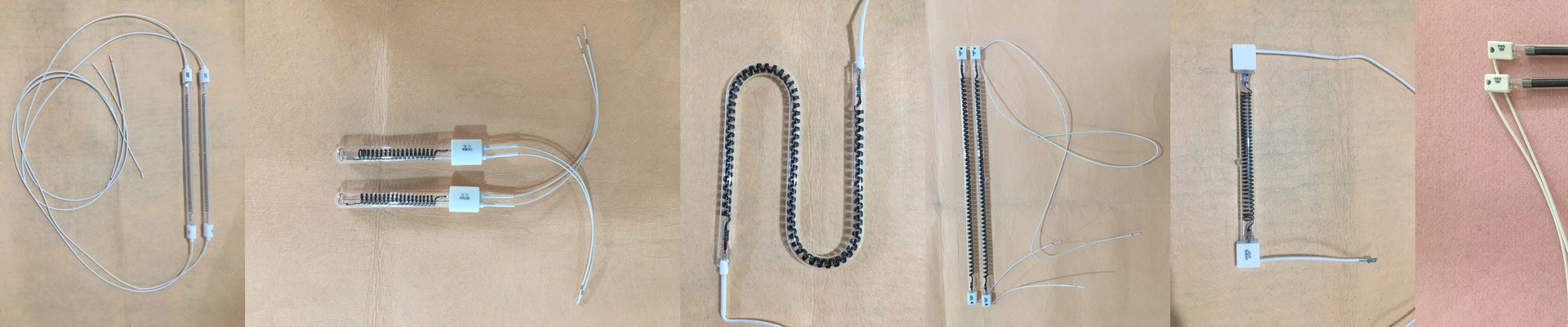
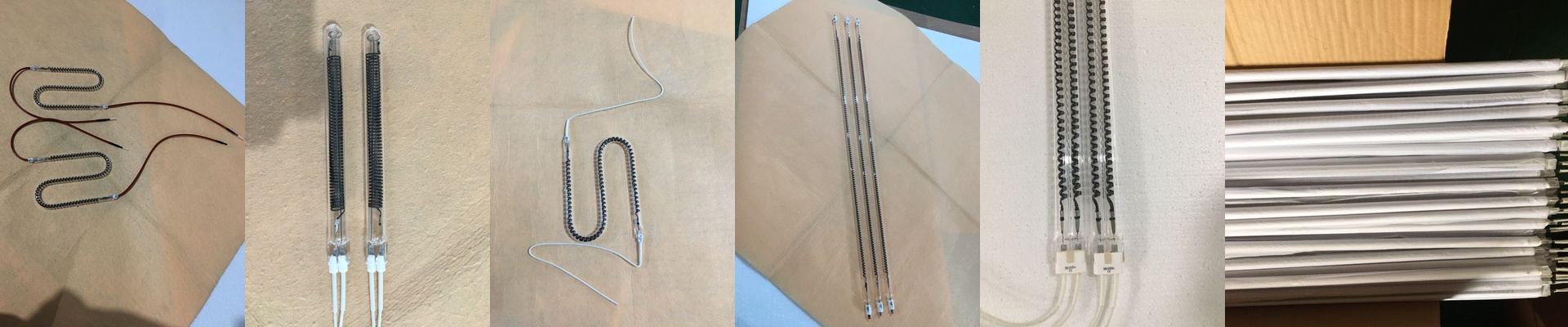
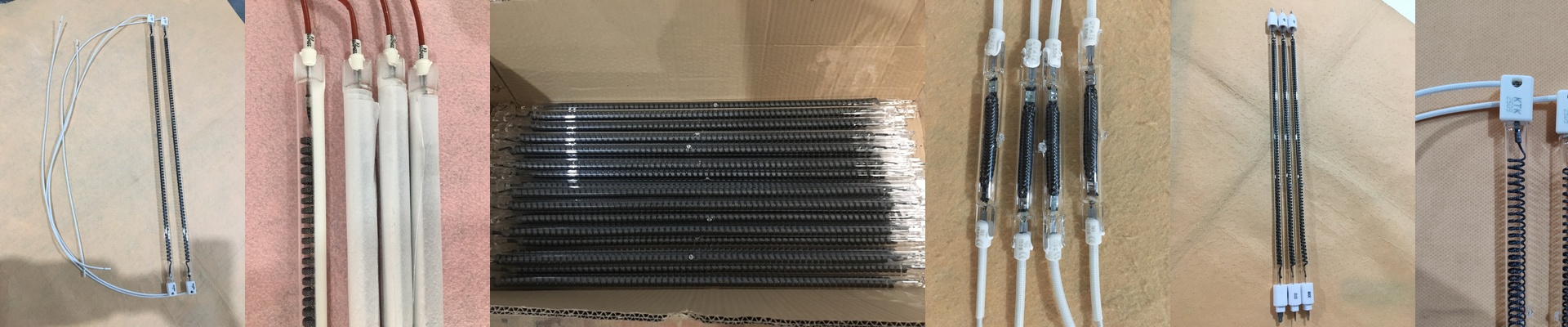
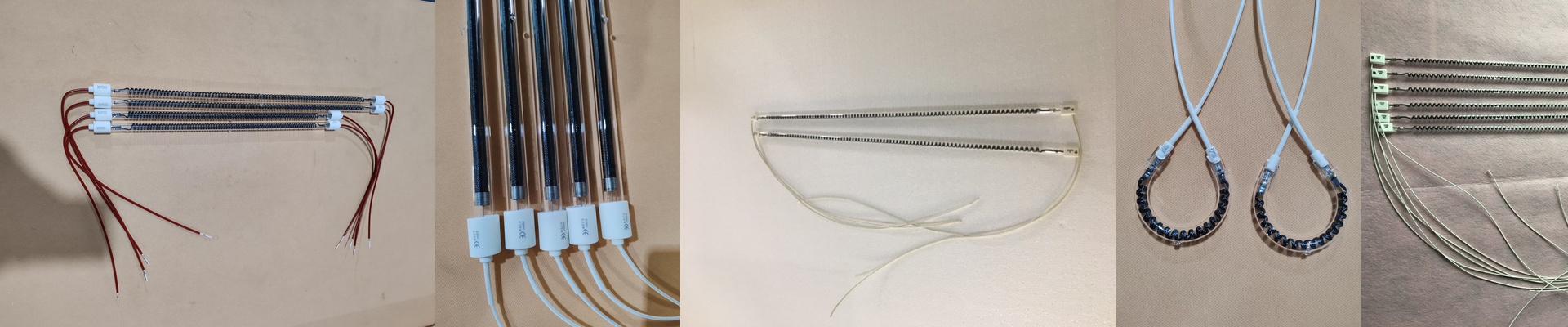
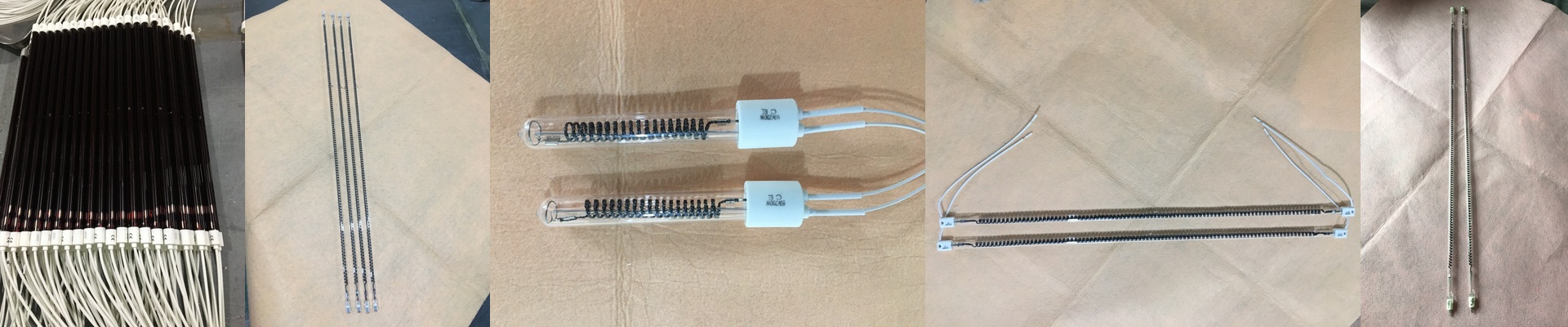
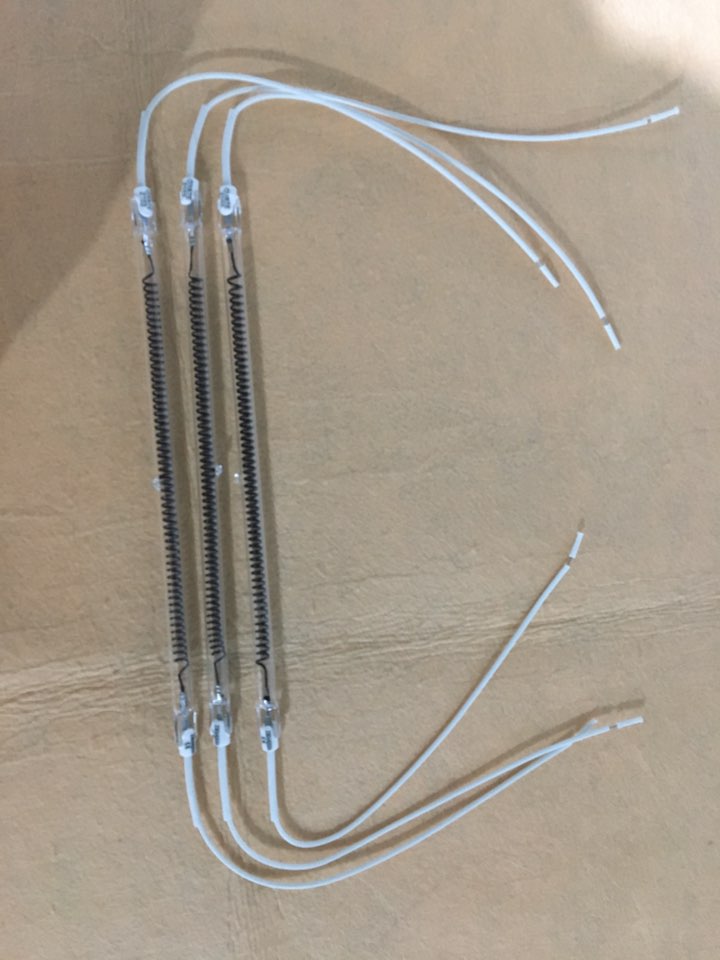
Let’s Talk Carbon Fiber Quartz Heating Lamps
So, here is the deal with carbon fiber heating lamps. Basically, we’ve got a carbon filament tucked inside a high-purity quartz tube. Most people are used to those old-school metal coils, but carbon fiber is different. It lets you run on lower voltage without losing that punchy heat output. Plus, it puts out short-wave infrared radiation. In plain English? The heat sinks into your materials way faster than just blowing hot air around. Getting the power right The wattage and voltage are what really drive the heat. If you’re doing industrial curing, you want high wattage so you can get up to temperature almost instantly. But you’ve got to be careful here. Match your voltage to your power supply, or you’re asking for trouble. Push too much current through a low-voltage tube and snap—there goes your filament. On the flip side, if you under-power it, the heat just won’t penetrate. It’ll feel lukewarm and sluggish. Why quartz and carbon? We stick with quartz glass because it’s a beast. It can handle crazy temperature swings without cracking, and it lets those infrared waves fly right through. Then there’s the carbon filament. It can take the heat much better than the usual nichrome wire. Depending on what you’re plugging these into, we can swap out the end-caps. R7s or Sk15 bases are the go-tos if you’re just swapping a lamp into an old machine. They keep everything snug and the electrical connection tight, even if your machinery vibrates like crazy. Real-world use (and the pitfalls) You’ll see these all the time in plastic welding or PET bottle blowing. They’re great because they soften the polymers immediately without turning the entire room into a sauna. But a word of warning: these things are intense. Since the heat is so concentrated, you have to watch your footprint. If your housing isn’t vented or your fans can’t keep up, you might actually warp the chassis of your own machine. And for heaven’s sake, keep a bit of distance between the tube and your workpiece. Get too close, and you’ll scorch the surface before you even realize what happened.