A Better Way to Handle Industrial Drying
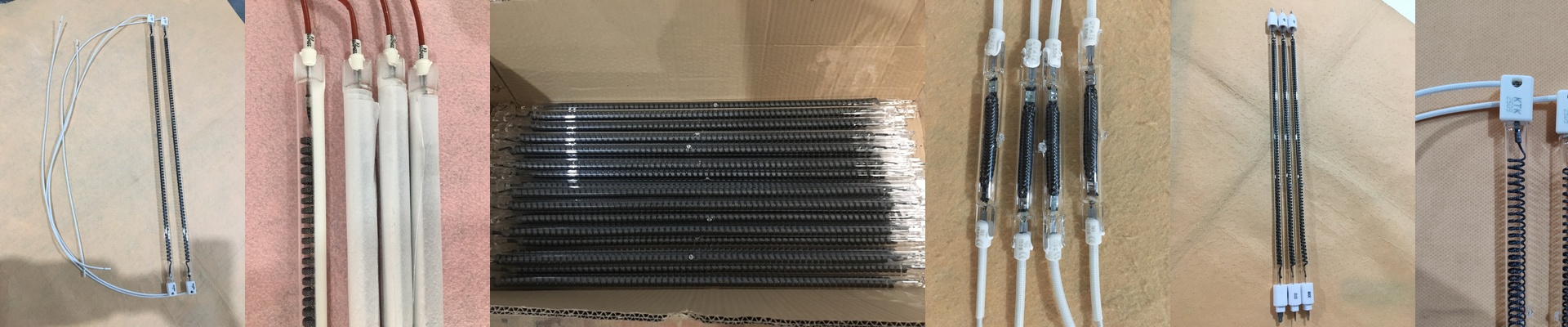
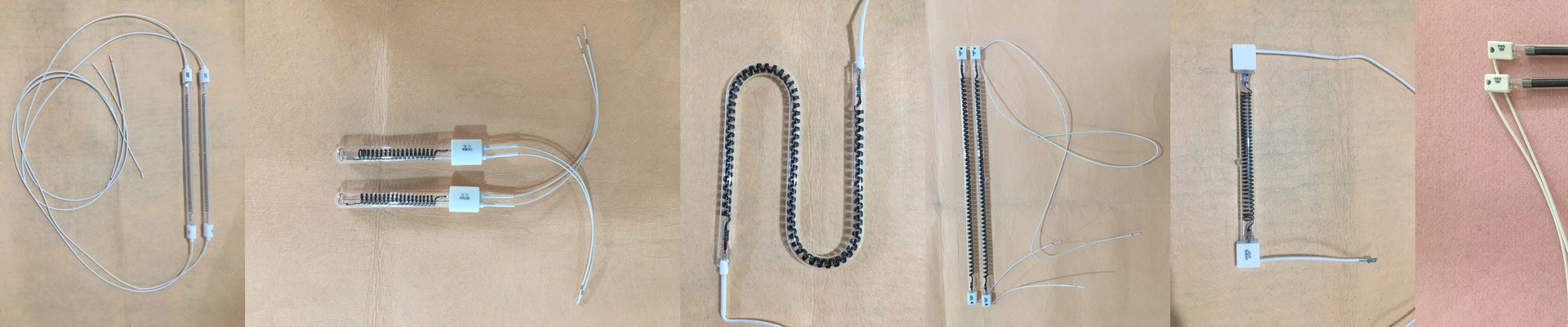
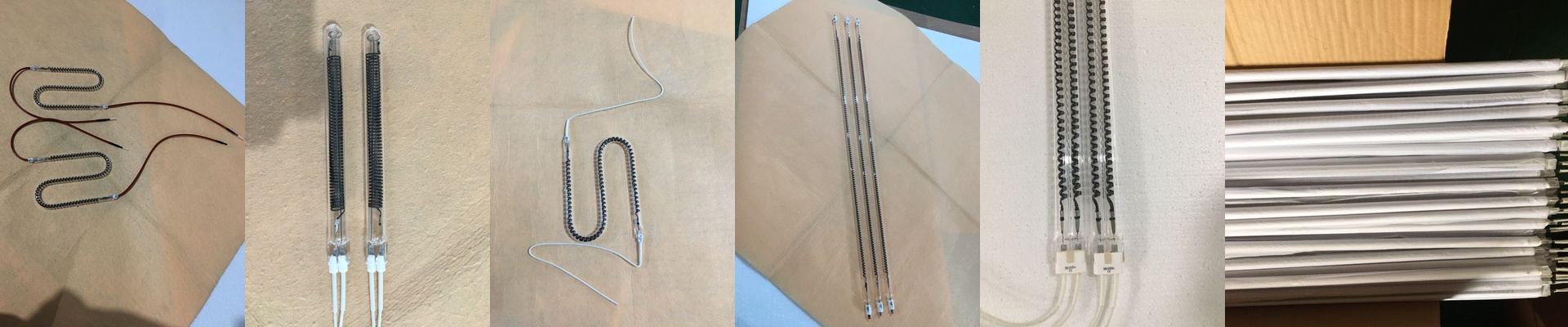
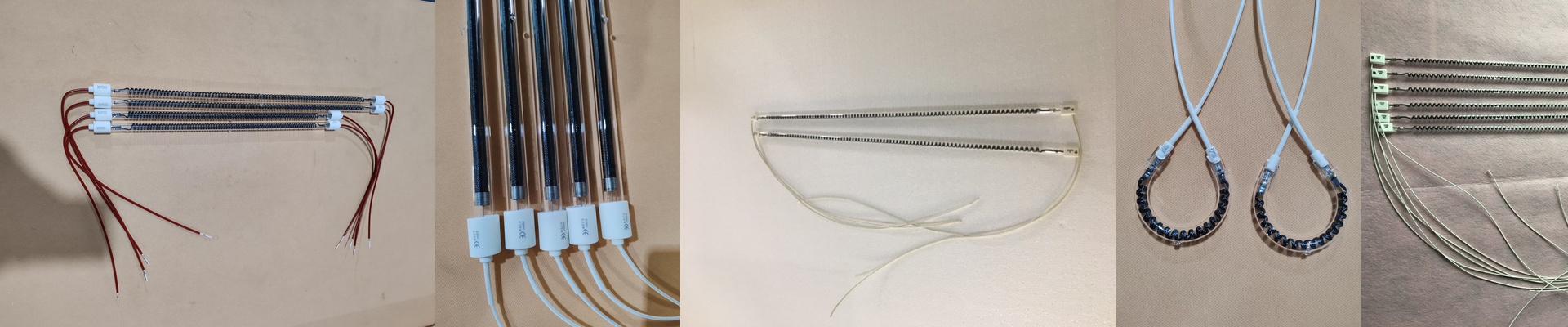
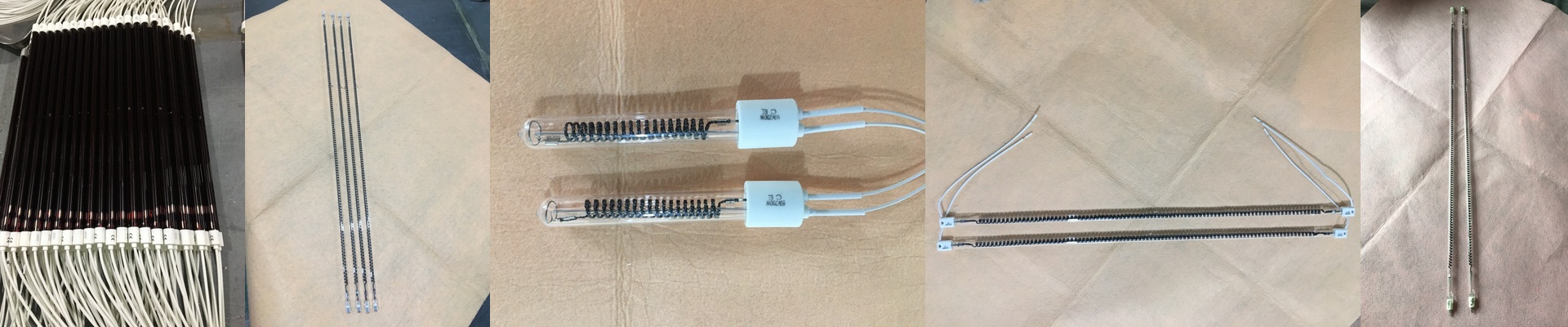
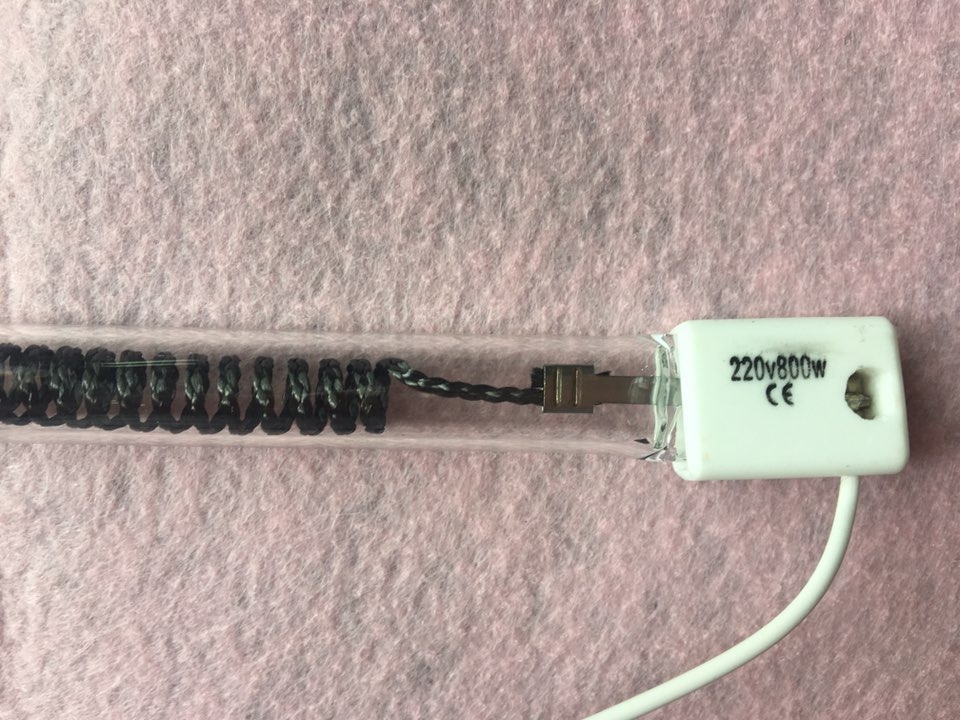
Let’s talk about heat. If you’re running industrial drying machines, you know the struggle of trying to get things dry fast without melting your equipment or ruining your product. That’s why we build our heat lamps using carbon fiber. Most people are used to those old-school metallic filaments, but carbon fiber is different. It doesn’t need to get scorching hot to push out a massive amount of heat. You get your surfaces up to temperature way faster, and your lamp housing doesn’t feel like it’s about to melt. Getting the power right Depending on how much space you have in your machine, we can tweak the wattage and voltage to fit. Say you’re working with a tight footprint but need a ton of power—that’s where a 400V setup comes in. It lets us push high wattage through a shorter tube without the current going crazy. If you’re curing paint or drying PET, this is what actually determines how much stuff you can push through your line in a day. Just a heads-up: make sure your wiring and power supply can actually handle the amp draw. Nobody likes a voltage drop in the middle of a shift. The nitty-gritty on the build We wrap the carbon fiber element in high-purity quartz glass. It keeps the oxygen out so the element doesn’t burn up, and it lets that shortwave IR hit your workpiece directly. As for the plugs, we stick with R7s or Sk15 connectors. Why? Because they just work. They fit right into most standard industrial sockets, so you can swap them out without a headache. And if your shop floor is a mess of chemical splatter, we’ve got specialized coatings to protect the glass. A few things to watch out for Here’s the deal: these lamps ramp up almost instantly. It’s great for efficiency, but it’s powerful. If your workpiece is too close to the emitter, you’re going to get scorched spots. You’ll want to spend a little time dialing in your conveyor speed and the distance between the lamp and the product to get it just right. One last tip: if you’re running these at full blast, don’t skimp on the cooling fans. You don’t want your electrical connectors melting because the air got too stagnant.