Stop Cooking Your PCBs: A Better Way to Handle Smart Home Repairs
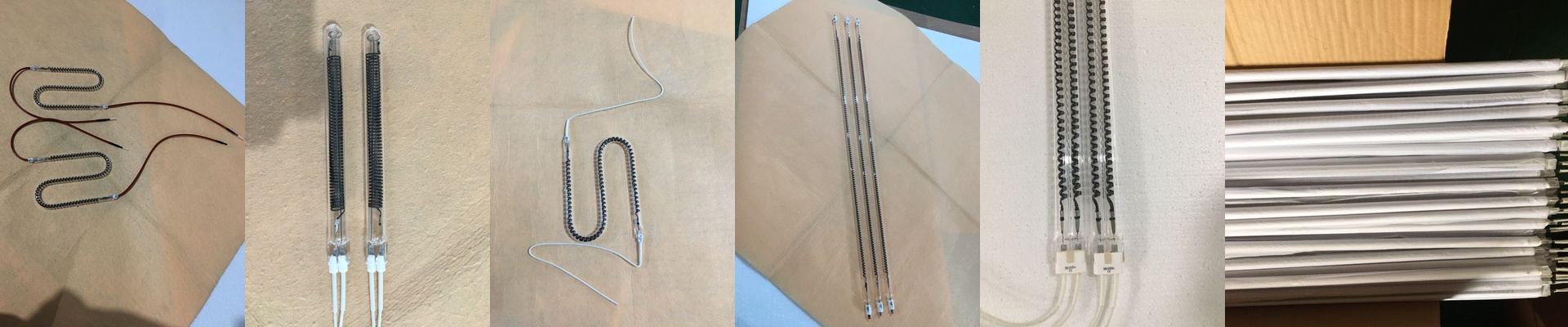
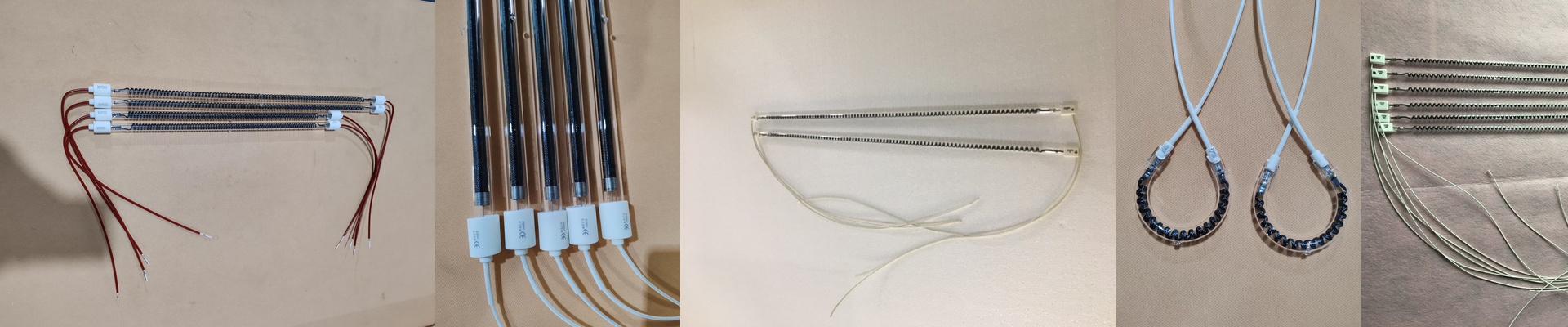
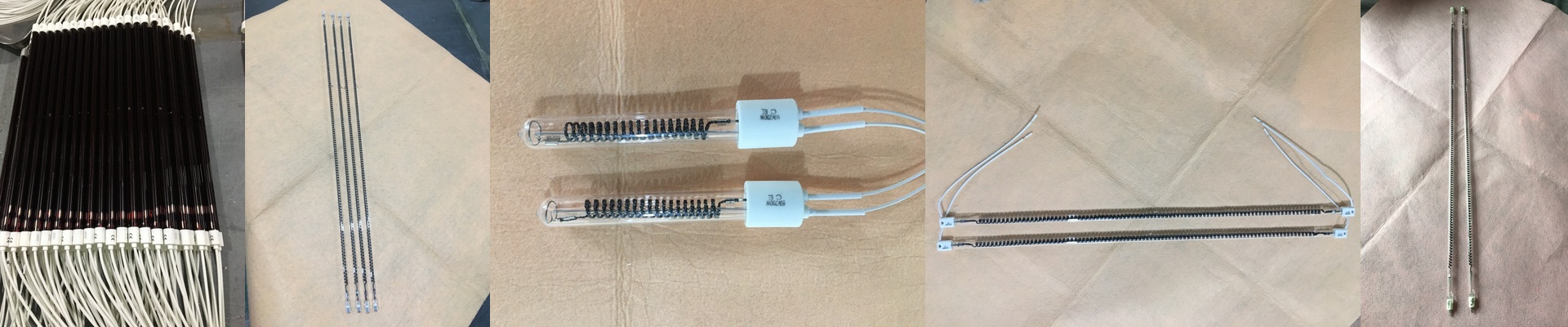
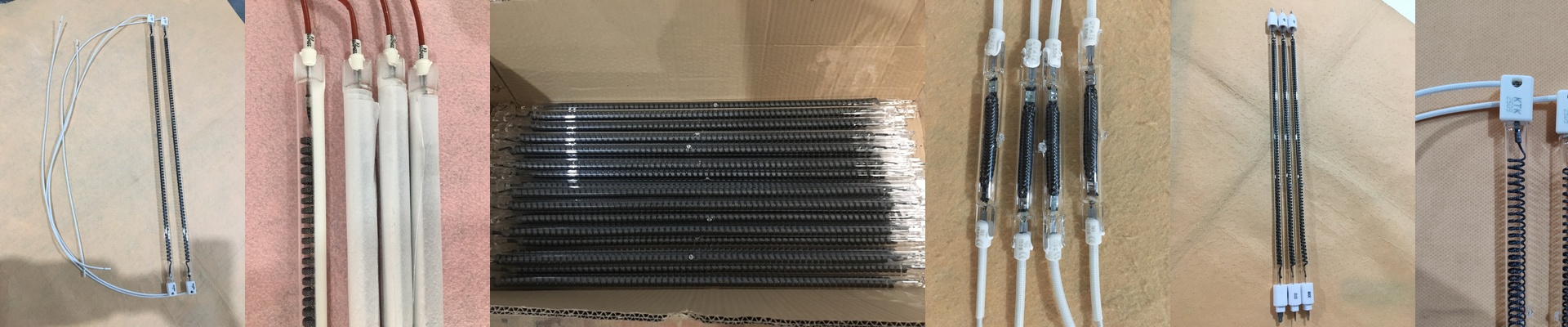
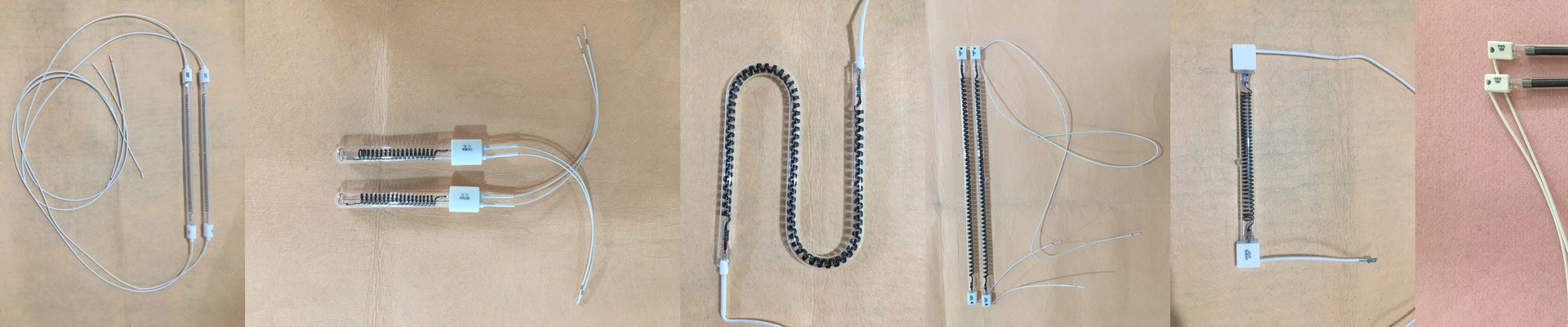
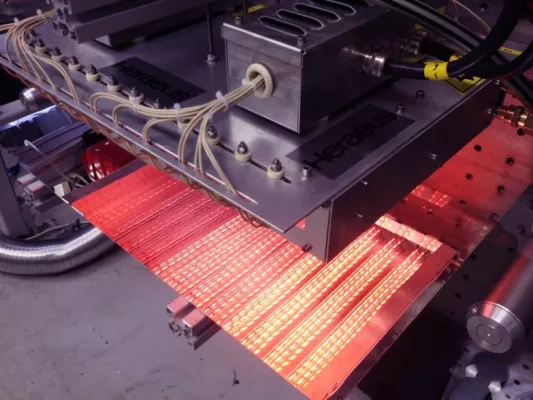
If you’ve ever tried to desolder a tiny component on a smart home hub, you know the struggle. You need enough heat to melt the solder, but if you’re not careful, you end up scorching the entire board. It’s a balancing act. That’s why we built our infrared (IR) heating lamps. We wanted to give small and medium shops a professional tool that actually works, without forcing you to pay a “big brand” tax. Getting the heat where it needs to be When you’re in the middle of a repair, you can’t afford to sit around waiting for a tool to warm up. You need it hot, and you need it now. We’ve dialed in the voltage and wattage against the length of the tubes so the heat hits the joint almost instantly. Now, if you go with a higher voltage setup, your wiring stays thinner and your workspace stays cleaner. Just a heads-up: make sure your power supply is steady. If you get spikes, you’ll fry the filament, and nobody wants to replace a lamp in the middle of a job. The secret is in the glass We use high-purity quartz glass for the halogen filament. Why? Because it lets shortwave IR radiation pass right through without soaking it up. This is huge when you’re dealing with lead-free solder. You need a specific waveband that can punch through the solder mask. We even offer coated options to tweak that spectrum. It means you can melt the internal solder without turning the plastic casing into a puddle of goo. Setting it up (and keeping it running) You shouldn’t need a degree in engineering to install these. We used standard connectors, so they just drop right into most industrial rigs. You’ll be wired up in a few minutes. One thing to watch out for: these lamps get incredibly hot. Usually, the contact points are the first thing to give out. To stop that, we used heat-resistant terminals so they don’t oxidize and fail on you. And a quick tip on your setup—these lamps put out a lot of waste heat. If your enclosure doesn’t have good venting, the air inside will get toastier and toastier. If that happens, your sensors might start drifting, and your calibrations will be off. Keep it breezy, and you’re good to go.