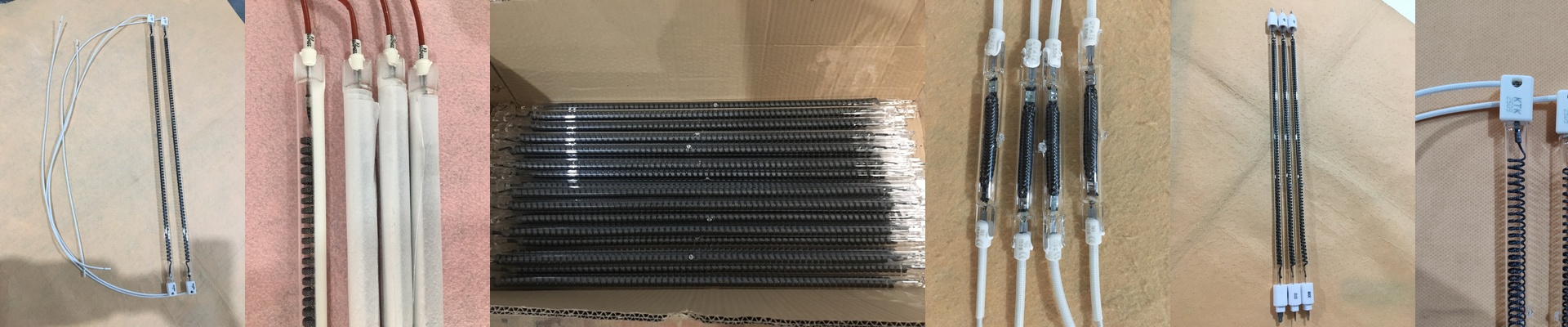
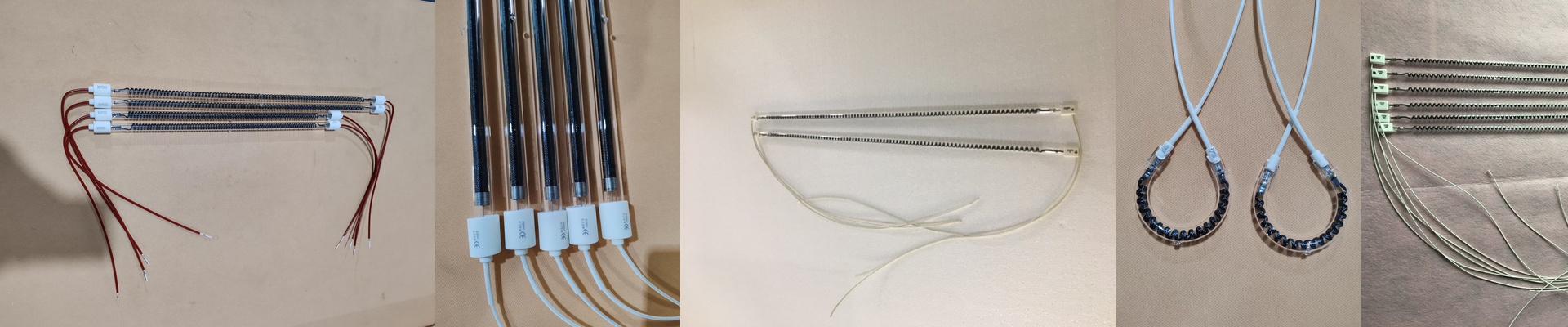
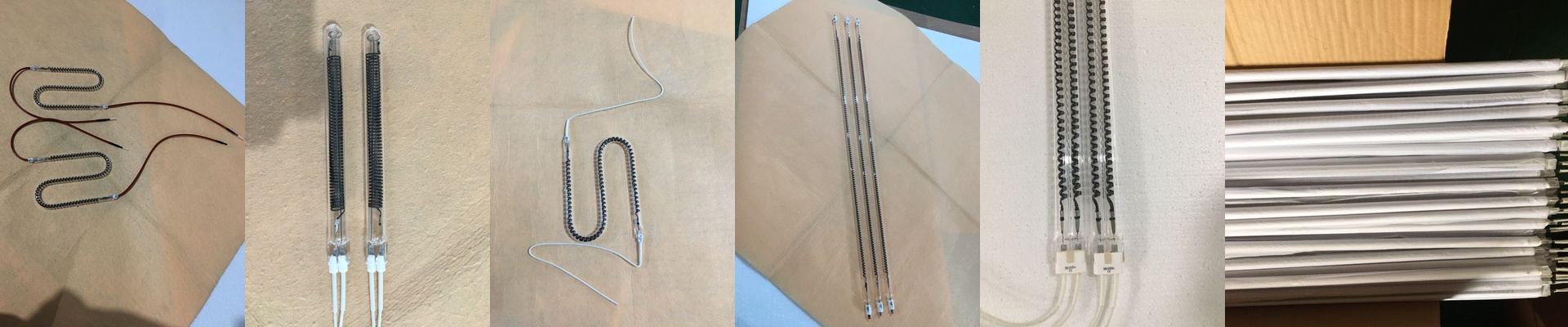
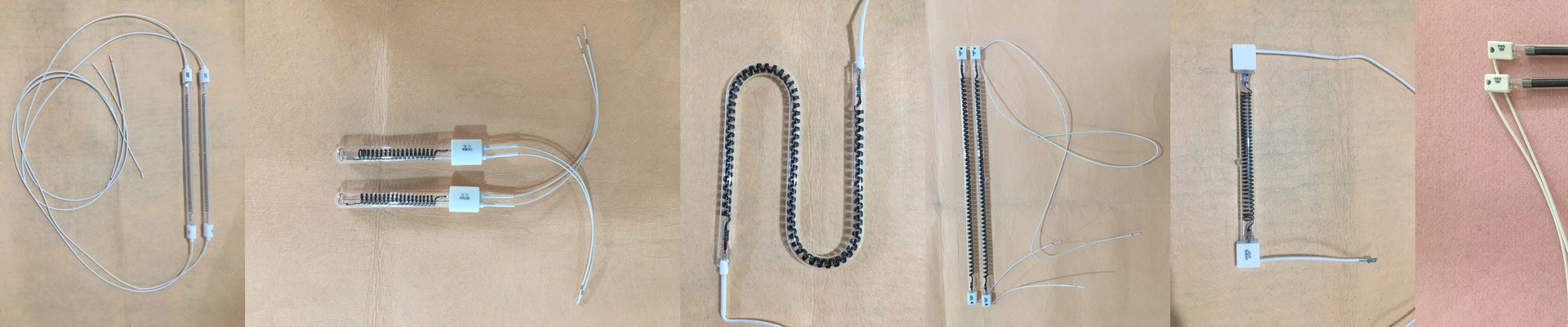
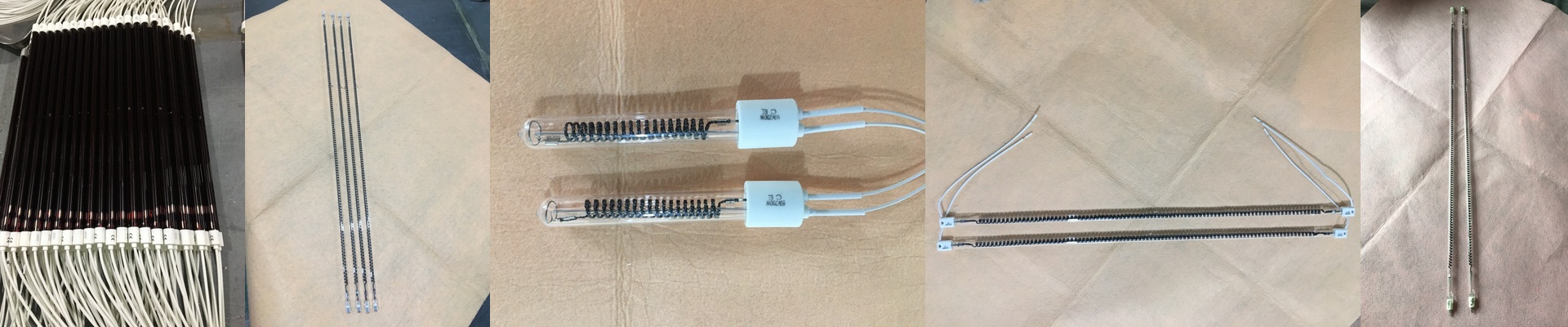
The Struggle with Filament Sag in Pulsed IR Systems
If you’re switching an infrared heater on and off thousands of times a minute, you’re basically putting your lamps through a torture test. Think about it: every time that lamp hits full power, the tungsten filament expands. Then it cuts out, and it snaps back. Over and over. This constant “breathing” wears the metal down. If the supports aren’t exactly right, the filament starts to sag or warp. Suddenly, your heat isn’t hitting where it should, and your whole process goes off the rails.
Why lamps actually fail
Most people assume a lamp just “burns out” like a lightbulb in your living room. But in high-frequency pulsing, it’s usually a mechanical failure, not an electrical one. It comes down to how the filament is held. If the support material doesn’t expand and contract at the same rate as the tungsten, the tension goes haywire. It’s a tug-of-war that the lamp eventually loses.
How we tackle the fatigue
We don’t guess. We just run our supports through tens of thousands of rapid-fire cycles until something gives. We watch exactly where the deformation starts and tweak the alloy and the grip until the filament stays dead center. Why? Because if that filament even brushes against the quartz tube, you get a hotspot. And a hotspot usually means the tube ruptures. Not a great day for anyone.
A quick reality check
Here’s the thing: you can have the best lamp in the world, but physics still wins if the rest of your gear is weak. High-frequency pulsing puts a massive strain on your digital controllers and SSRs. If your switching gear isn’t rated for that kind of inductive load, you’ll get voltage spikes. Those spikes will kill your lamps regardless of how fancy the supports are. Make sure your controllers can actually handle the pulse width modulation, or you’re just throwing money away.