How We Keep Your Pizza Hot (Without Ruining It)
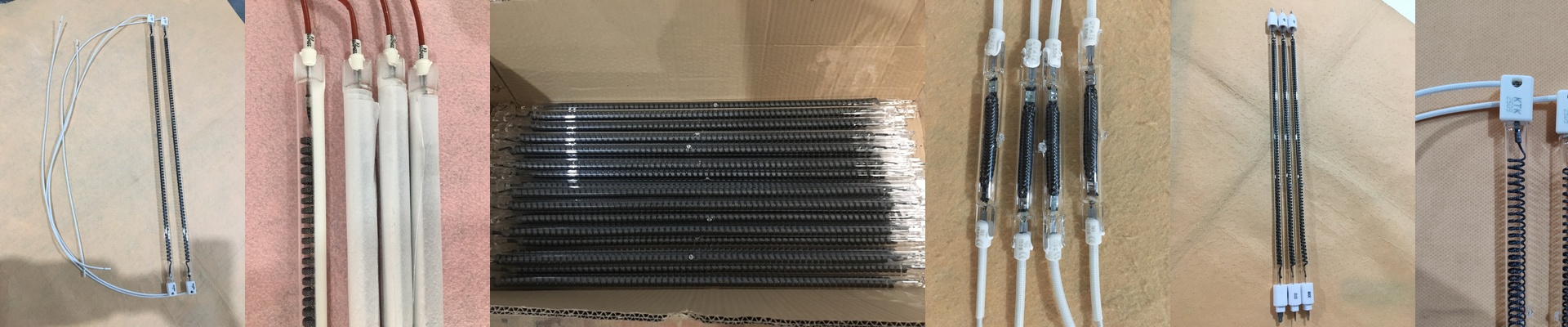
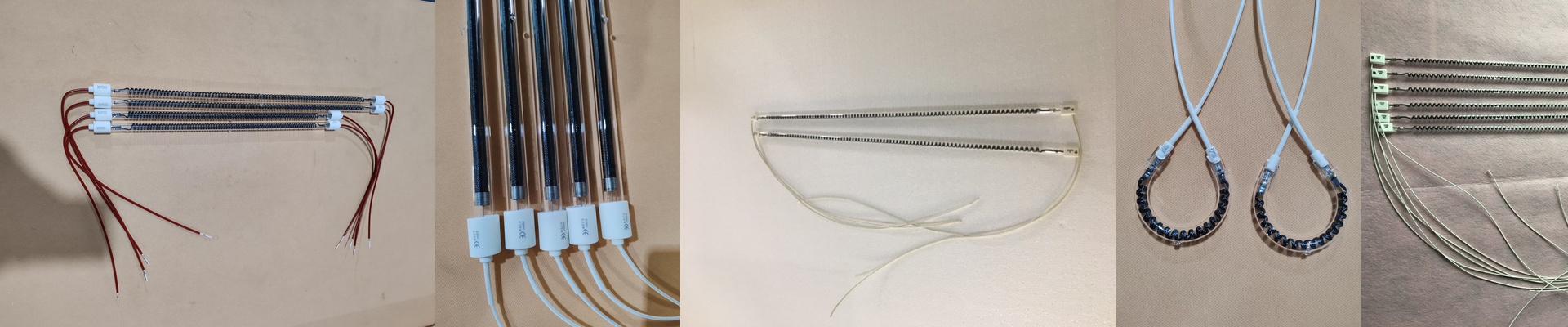
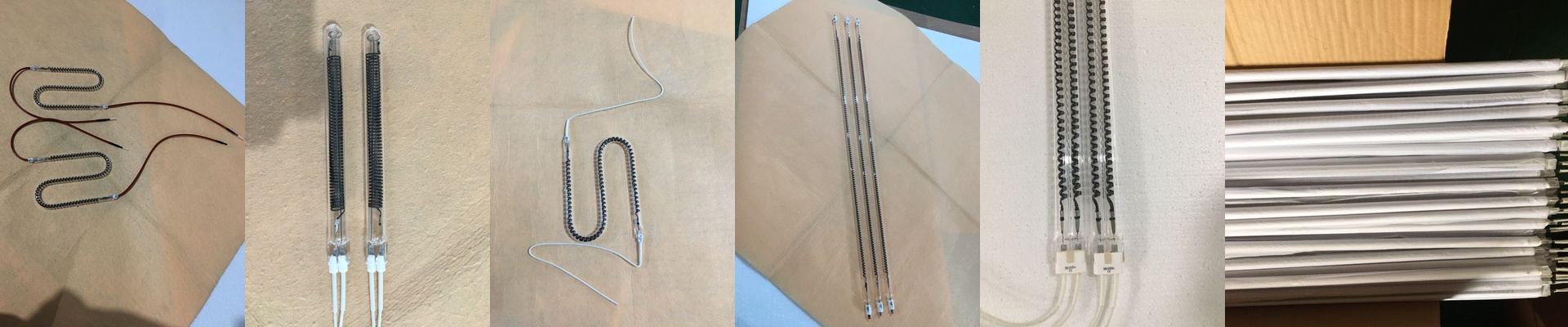
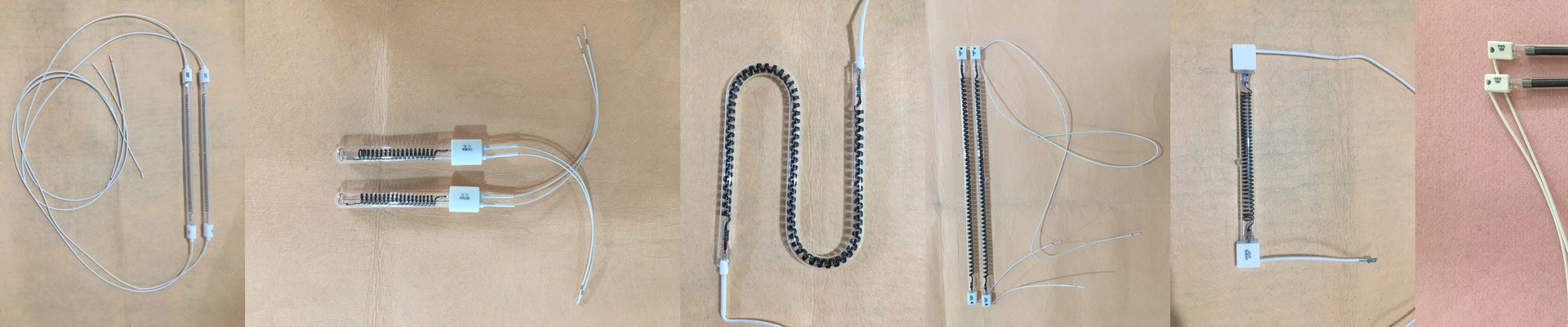
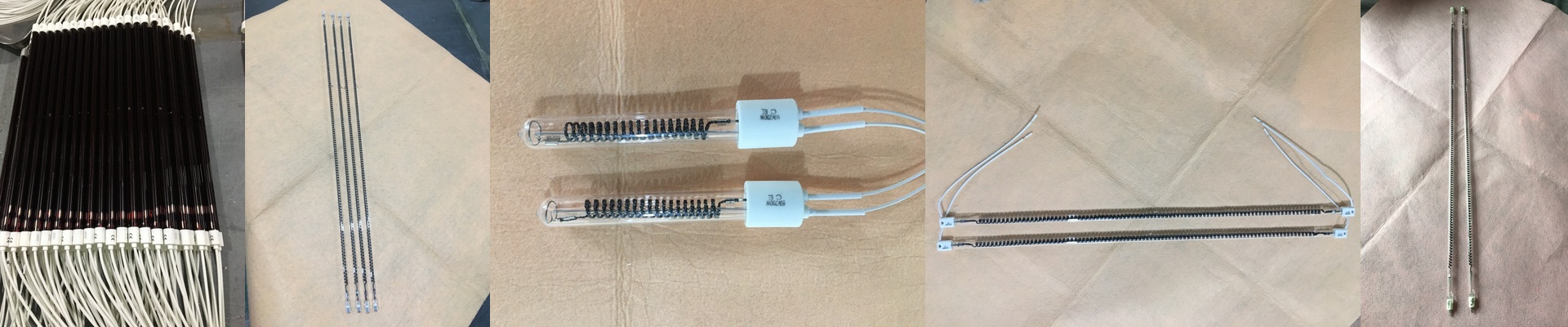
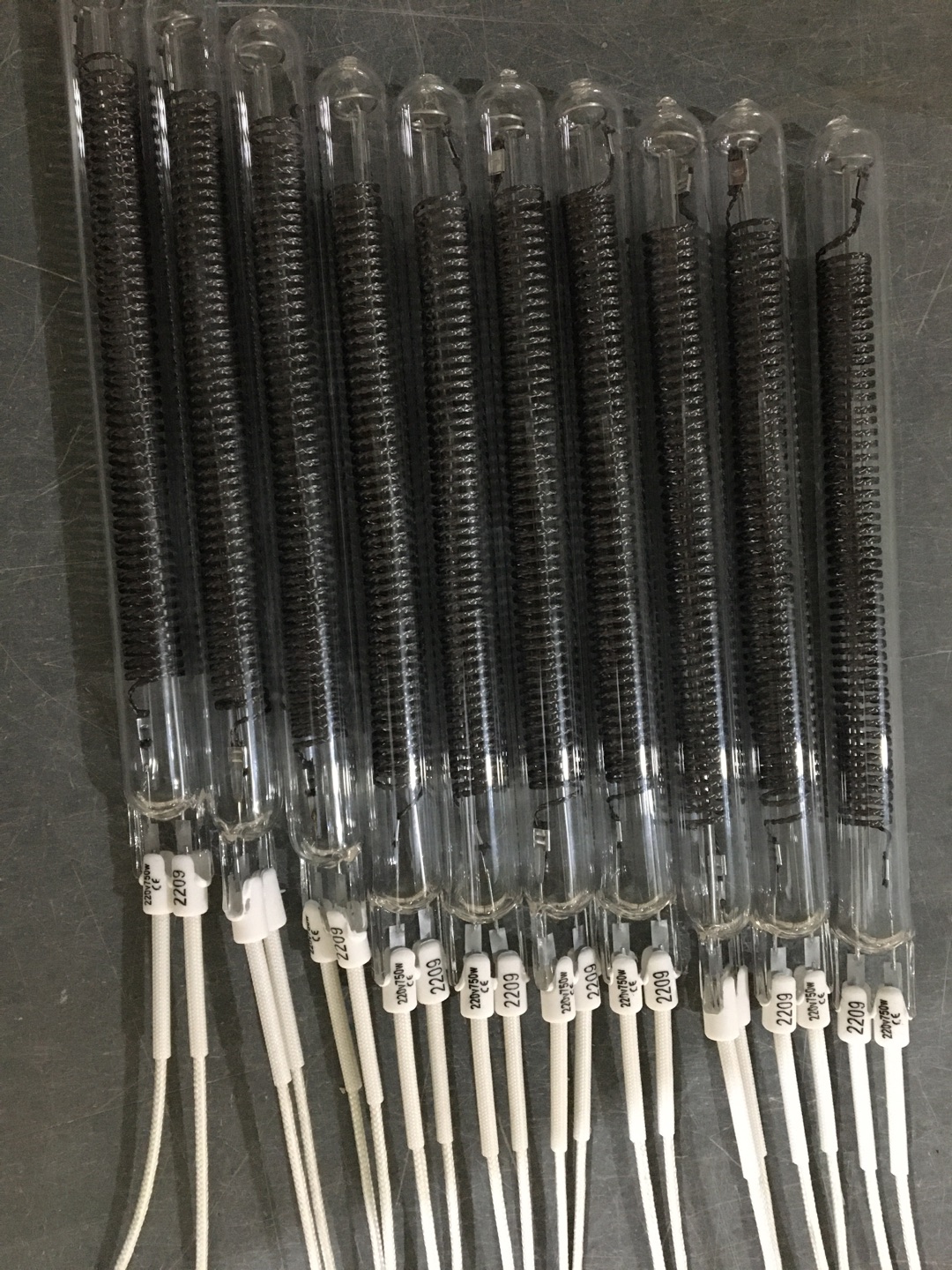
Ever notice how some warming lamps just burn the top of the cheese while the crust stays lukewarm? It’s a pain. That’s why we went with carbon fiber filaments tucked inside quartz glass. Most people use halogen coils, but those are a bit too blunt. Carbon fiber hits a wider range of infrared heat. It actually sinks into the pizza, warming the crust and the cheese all the way through without scorching the surface. Getting the heat just right We’ve dialed in the power so your food sits comfortably between 60°C and 80°C. We also make sure the wattage is spot on so the heat covers the whole tray—no cold spots on the edges. If you’re sliding new pizzas under the lamp constantly, you’ll want the high-wattage setup. It bounces back to temperature way faster. Just a heads-up: make sure your power supply can handle that first big surge of electricity, or you’ll burn out your filaments way too soon. The guts of the lamp Carbon fiber is the secret sauce here. It can take much higher temperatures than the old-school tungsten stuff. We seal it in high-purity quartz to keep it from oxidizing. And because nobody wants to spend an hour fixing a lightbulb during a dinner rush, we use standard R7s or Sk15 connectors. You just pop the old one out and drop a new one in. Simple. Plus, that quartz glass lets the heat fly straight into the food without soaking it up first. A few things to keep in mind These lamps are perfect for overhead warming stations. There’s no annoying warm-up time—you flip the switch, and you’ve got heat. But here’s the thing: carbon fiber puts out a lot of intensity. You’ve got to let the housing breathe. If you trap all that heat in a tight box, your sockets are going to fry. To keep things from melting during a long shift, we stick with high-temp ceramic holders. Plastic just doesn’t cut it when things get this hot.