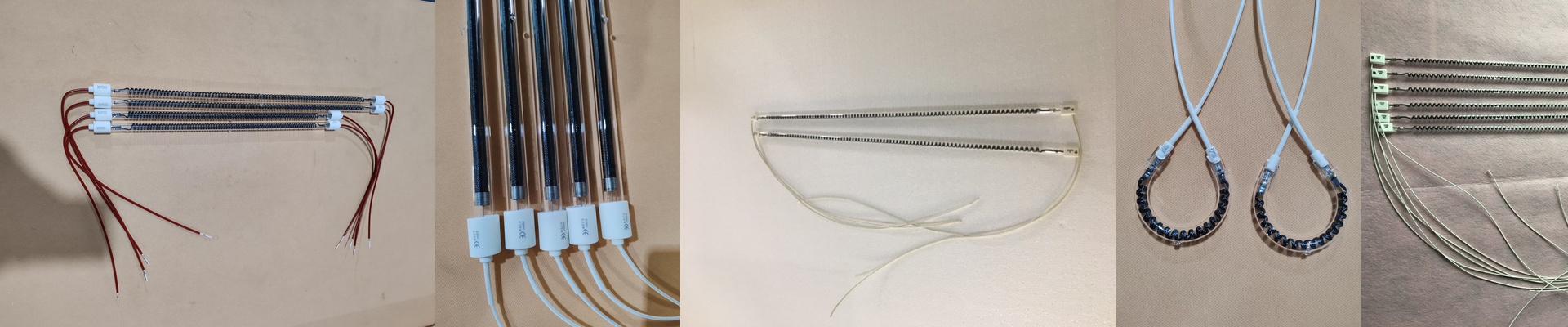
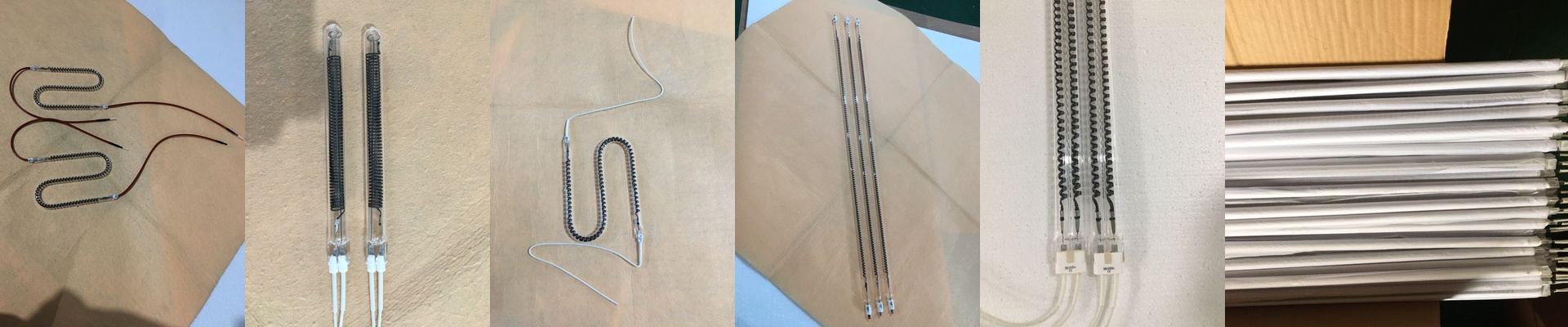
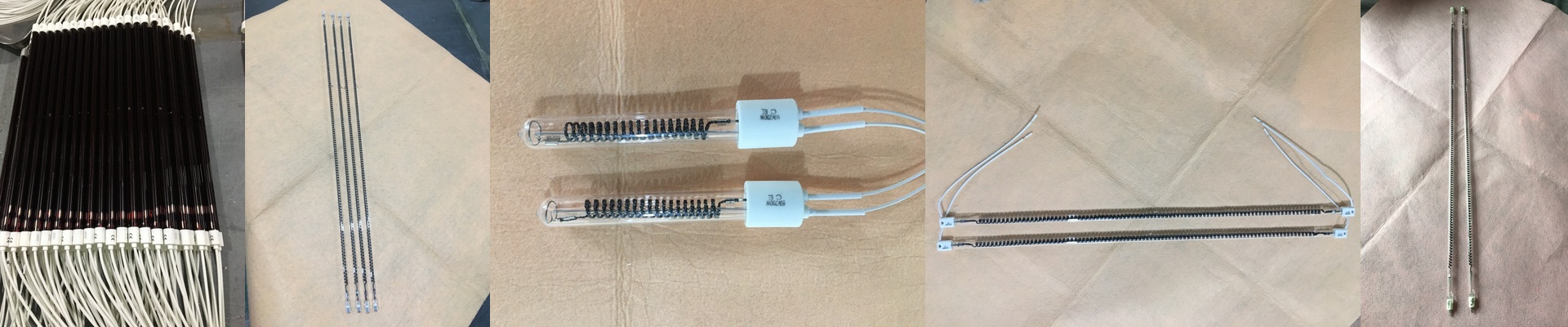
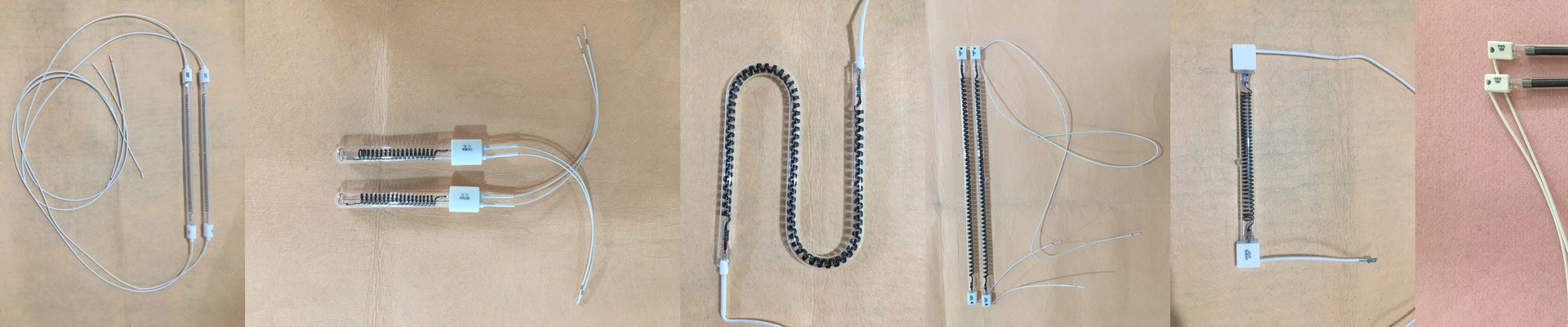
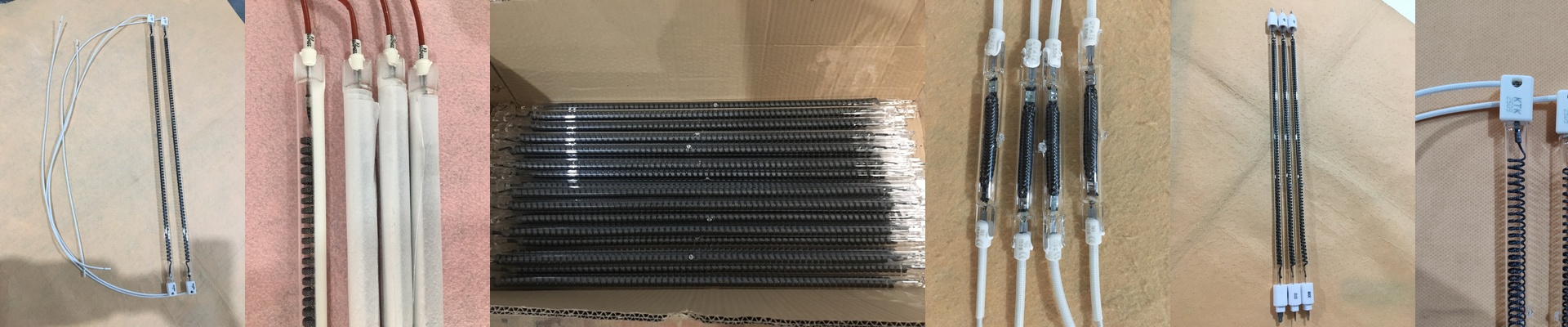
Let’s Talk Carbon Infrared Heating Tubes
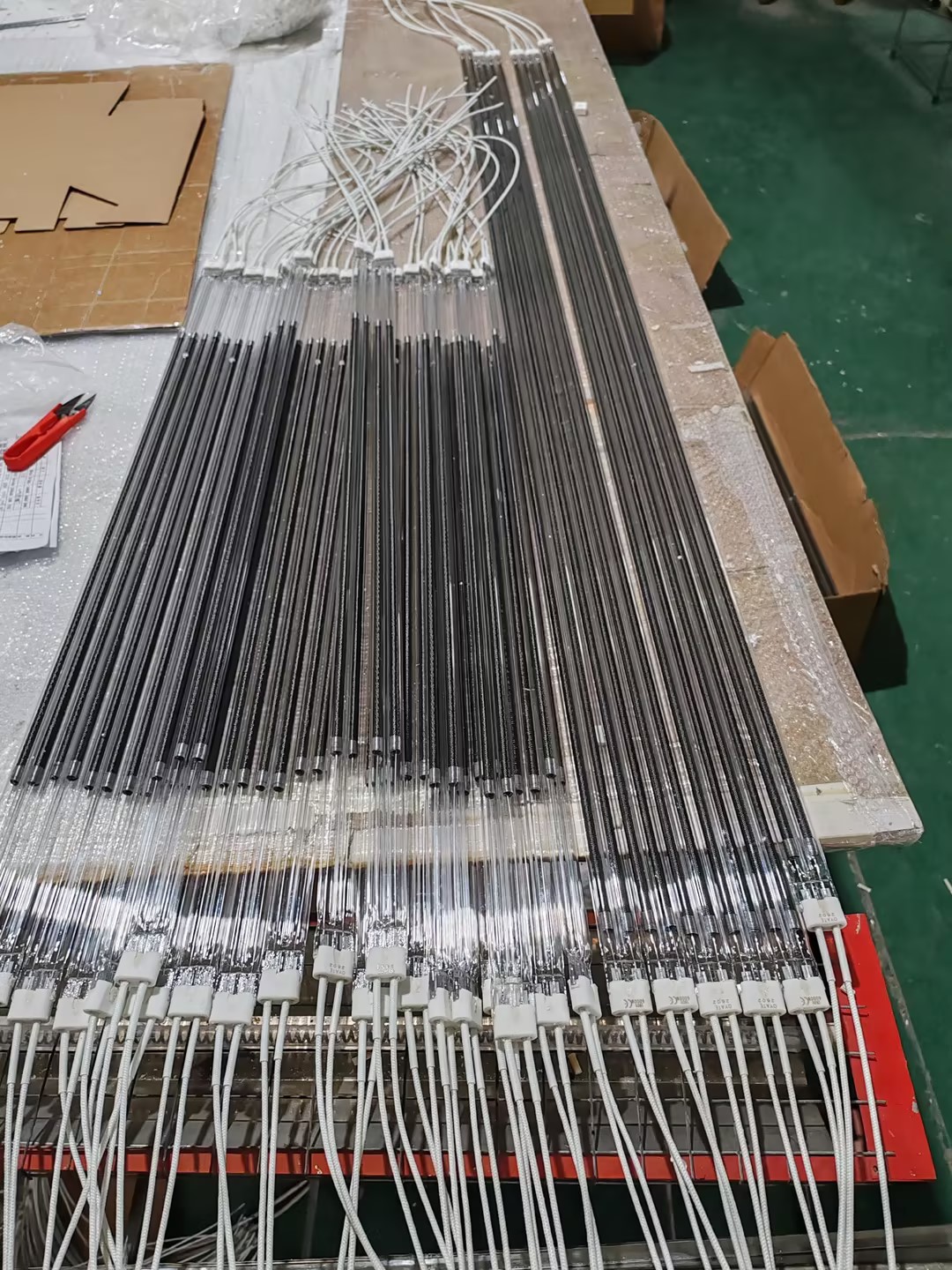
Ever wonder why some heaters just feel… deeper? That’s the magic of carbon infrared tubes. Instead of using those old-school metal coils, these use a carbon-fiber filament tucked inside quartz glass. Here’s the cool part: they don’t even have to get as hot as metal to do their job. They put out a lot of medium-to-long wave energy, which means the heat actually sinks into your materials rather than just scorching the surface. It’s a total win if you’re trying to heat something all the way through. Getting the power right When you’re picking a tube, you’ve got to look closely at the voltage and wattage. If you cram a lot of wattage into a short tube, you get a massive hit of heat. It’s great for things like PET blowing or curing plastics where you need to get up to temperature fast. But be careful here. You have to match your power supply exactly. If the voltage is too low, you’ll get weird cold spots. Too high? You’ll fry the filament in a heartbeat. Not a great way to start your morning. The build and the plugs We use high-purity quartz for the outer shell because it lets the IR light pass through without blocking it. Depending on where you’re using it, some of these come with a special coating. This helps tweak the heat spectrum or just keeps the glass from getting ruined by chemicals flying around the shop. As for the connections, you’ll probably see R7s or Sk15. They’re the industry standard for a reason—you can just pop a new one in without having to rewire your entire oven. Just a tip: keep those contacts clean. If they get oxidized, they create resistance, and that’s how you end up with a melted socket. The trade-offs Now, it’s not all perfect. Carbon tubes react way faster than ceramic heaters, which is awesome. But that quartz glass? It’s fragile. It can’t take a hit, and it hates sudden, extreme temperature swings. If your equipment vibrates a lot, please, use the right mounting clips. You don’t want your glass cracking mid-shift. Also, make sure your cooling system can handle the heat building up around the ends of the tube, or those seals will start to give out.