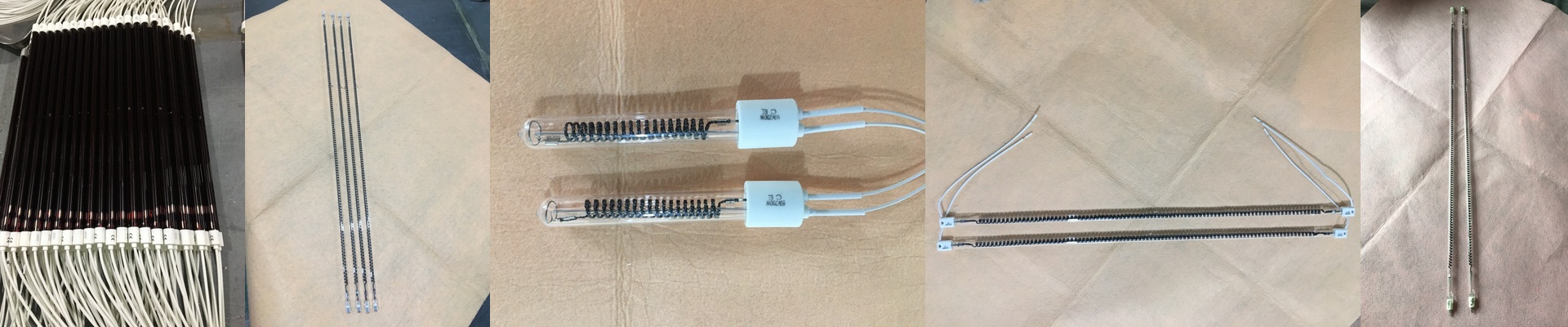
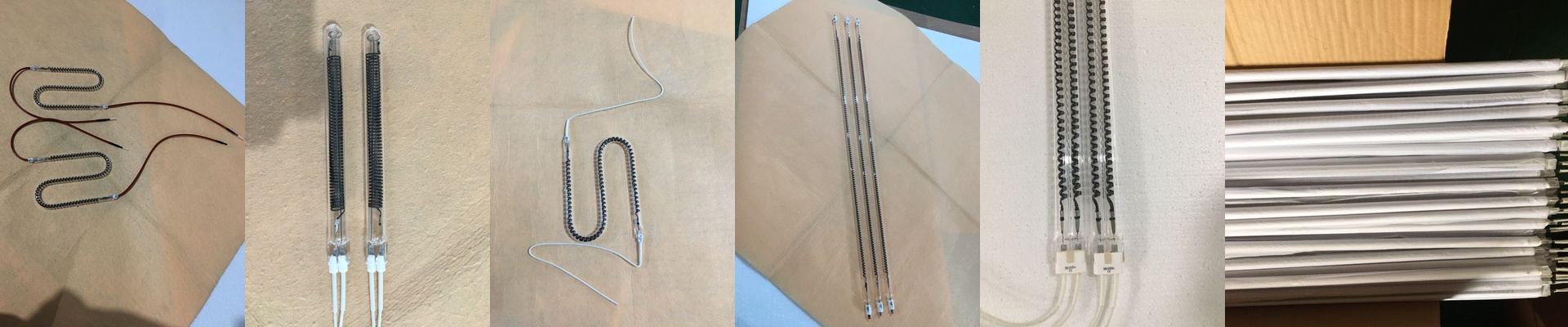
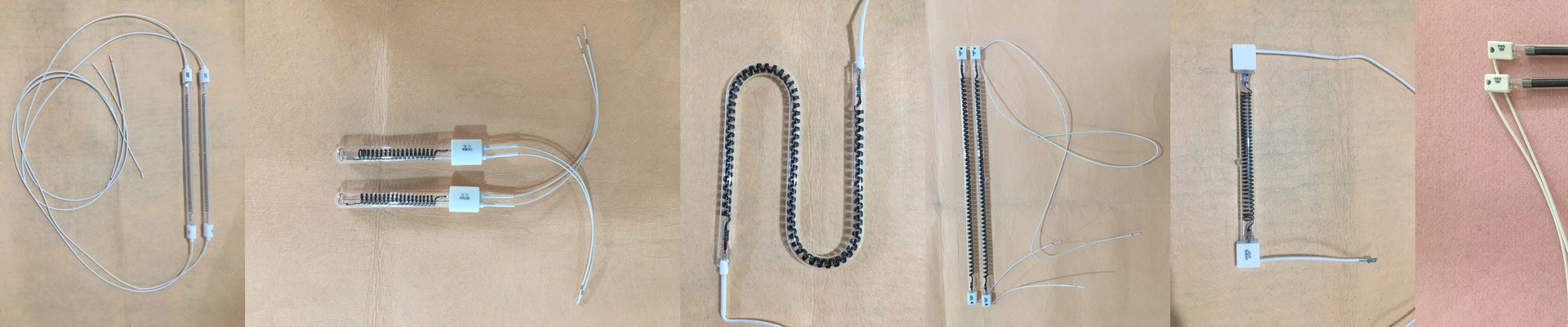
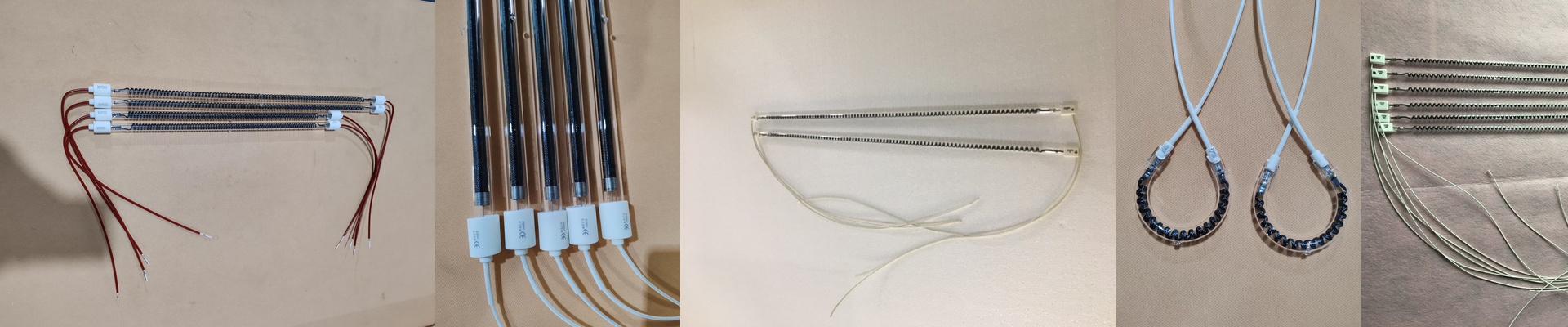
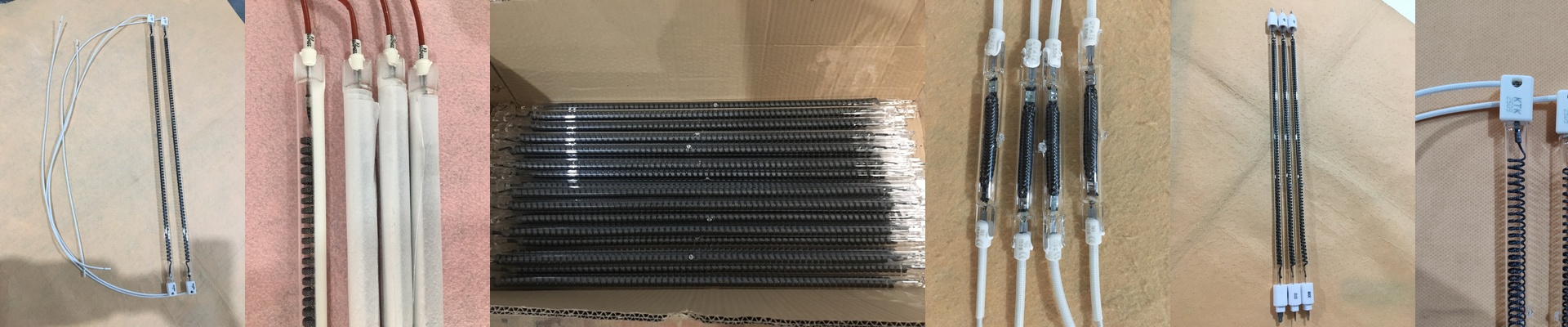
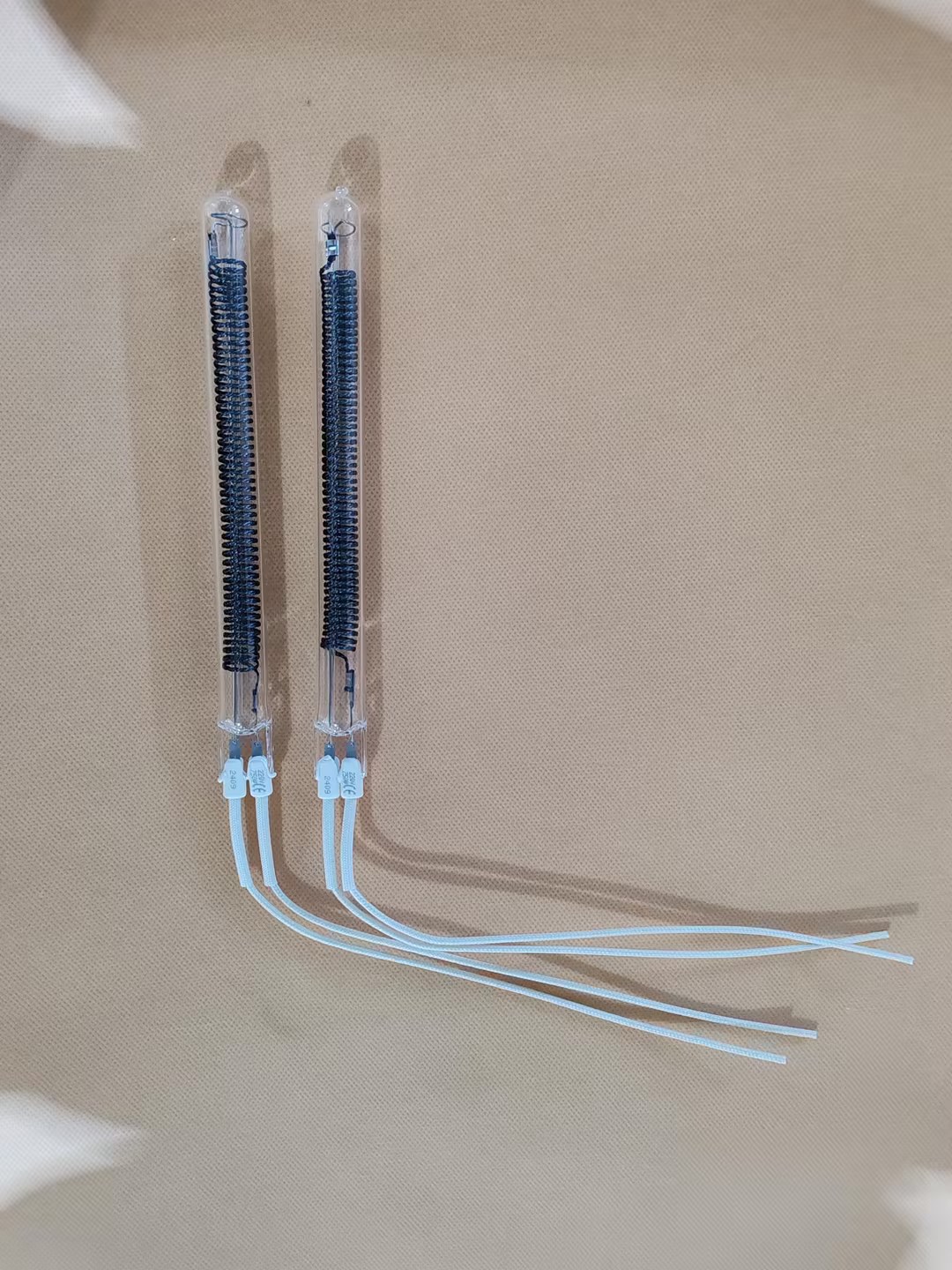
Let’s talk about Carbon Fiber Heat Lamps
If you’ve ever dealt with standard metal coils, you know the struggle. They sag. They snap. They just can’t always handle the heat. That’s why we use carbon filaments tucked inside a quartz envelope and filled with halogen gas. It lets us push way more power through the tube without the filament giving up on you under the stress. The nitty-gritty on power We build these to fit your specific machine, so the wattage and voltage vary. For those longer tubes, we usually go with high-voltage setups (like 230V or 400V) to keep the heat pumping. Take a 300mm tube at high wattage, for example. The heat hits your target surface almost instantly. It’s powerful. But here’s the thing: that kind of intensity is hard on your reflectors. If they’re dirty or pitted, you’re basically throwing energy away. Keep them clean, or you’re wasting money. The build and the fit The quartz shell isn’t just there for looks—it stops the filament from oxidizing. We can also add different coatings depending on what you need. Some are great for deep penetration, others are better if you just need to heat the surface. As for plugging them in, we stick with R7s or Sk15 connectors. They’re standard, so they should slide right into most industrial rigs. No rattling, no arcing—just a tight, secure fit. Real-world use (and a few warnings) You’ll mostly find these in PET blowing, paint curing, or plastic welding. The best part? They ramp up fast. Your machines spend less time idling and more time actually working. Plus, carbon fiber can take the beating of rapid on/off cycles much better than tungsten can. But wait—there is a catch. Quartz is fragile. One clumsy move during installation or a single greasy fingerprint on the glass can create a “hot spot.” That’s a one-way ticket to a premature burnout. Just wire them up carefully, keep the glass spotless, and you’ll get the full lifespan out of them.