Getting the Heat Just Right for Smartwatch Repairs
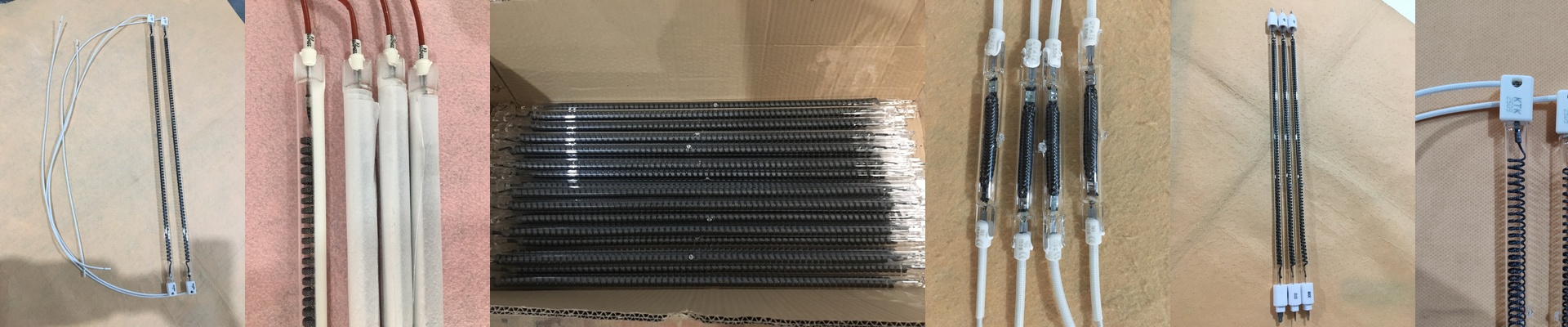
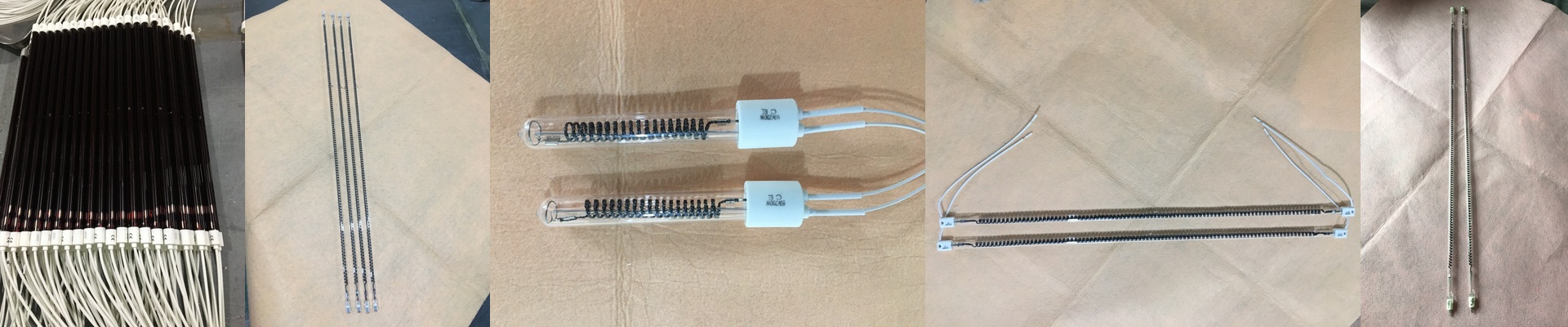
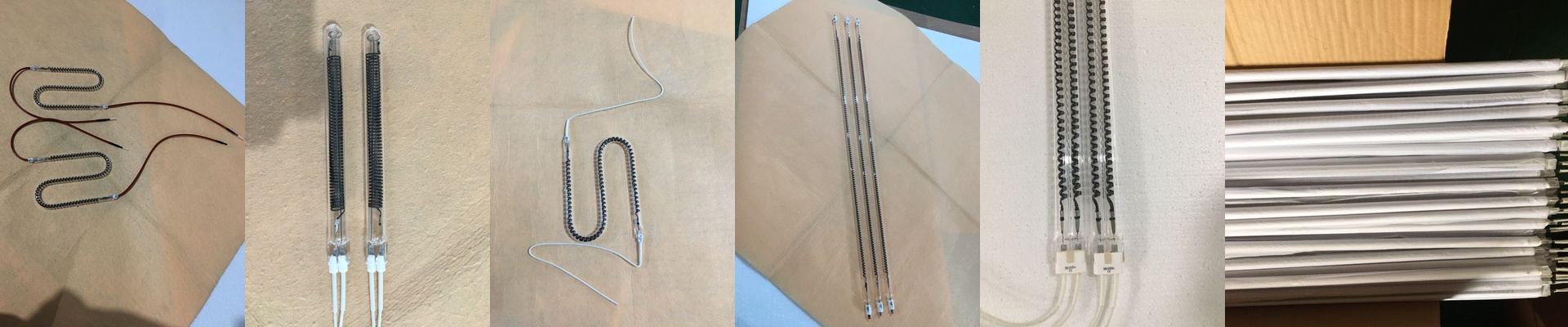
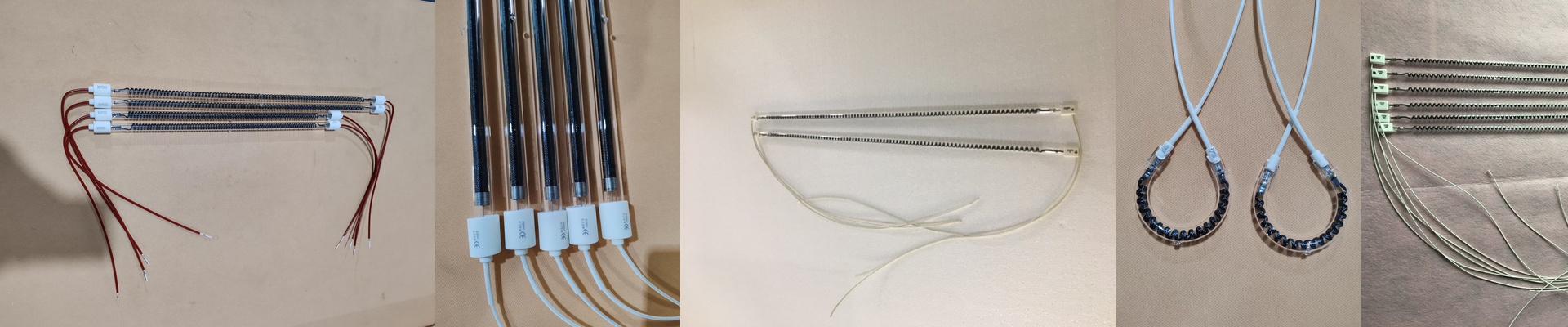
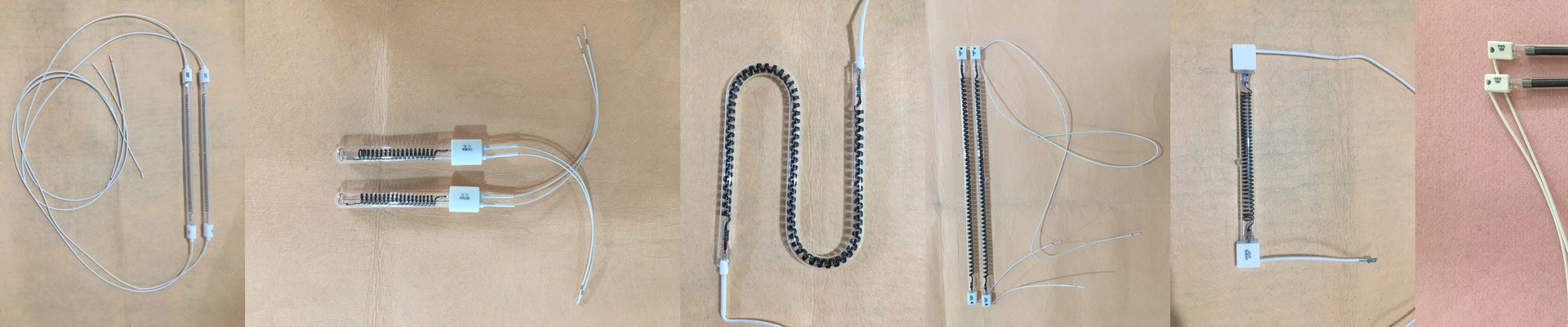
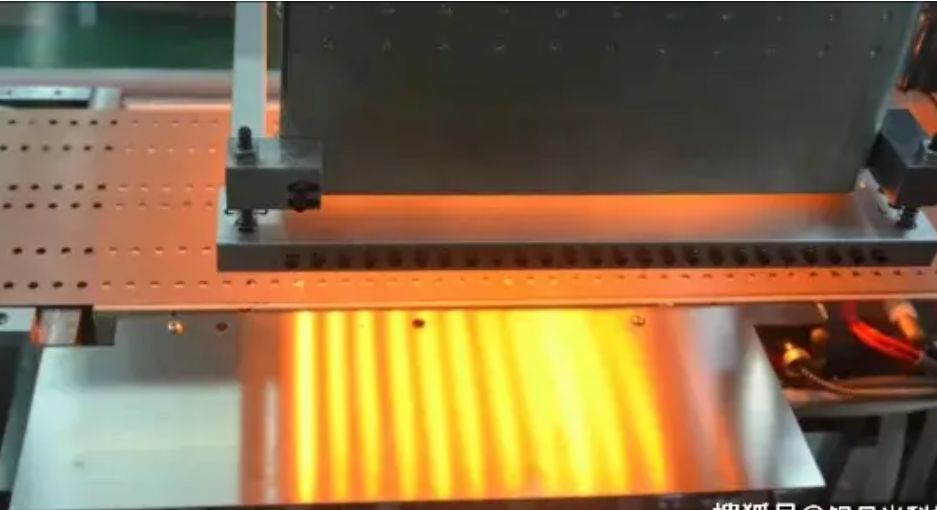
If you’ve ever tried to open a smartwatch, you know the struggle. You need enough heat to melt those stubborn adhesives, but one second too long and you’ve fried the OLED screen or killed the battery. It’s a nerve-wracking balance. That’s why we built our infrared lamps the way we did. We use short-wave halogen tech because it doesn’t mess around—it dumps energy straight into the device surface the moment you flip the switch. The secret is in the power. We designed these for a fast ramp-up. By pairing high wattage with a shorter tube, we create a tight, concentrated heat zone. This means the heat goes exactly where you want it, instead of bleeding into the rest of the chassis. One tip: make sure your voltage is stable. If your power dips and the lamp flickers, you get uneven heating. That leads to “cold spots,” and nothing is more annoying than fighting leftover adhesive residue because the heat didn’t hit every corner. Built to take a beating The heating element lives inside high-purity quartz glass. Why? Because these things go from room temperature to scorching hot in a heartbeat, and regular glass would just shatter. We also added specific coatings to the glass. Instead of just heating up the air around the watch, the infrared spectrum is shifted to penetrate deep into the glue. Plus, we made the connectors drop-in replacements for standard sockets. You can swap a tube in minutes without having to rebuild your whole rig. A few things to keep in mind Here’s the trade-off: high wattage means speed, which is great for a busy shop, but it puts out a lot of ambient heat. You’ll want a decent fan or a heat shield at your station. If the housing gets too hot, your internal wiring will give out way sooner than it should. We’re confident these hit harder than the big-name brands. In fact, if you find the heat density isn’t hitting the mark, we’ll just refund you the price difference. Simple as that.