Stop Blasting Your Smartwatches With Heat
When you’re curing glue on a smartwatch, it’s easy to think that more heat equals faster results. But here’s the thing: it’s not actually about how hot the lamp gets. It’s about whether the glue actually likes the kind of light you’re throwing at it. If the wavelength of your IR lamp doesn’t line up with the adhesive, the energy just bounces right off. You aren’t melting the glue; you’re just baking the chassis and stressing out the battery for no reason.
Why the “Color” of Heat Matters
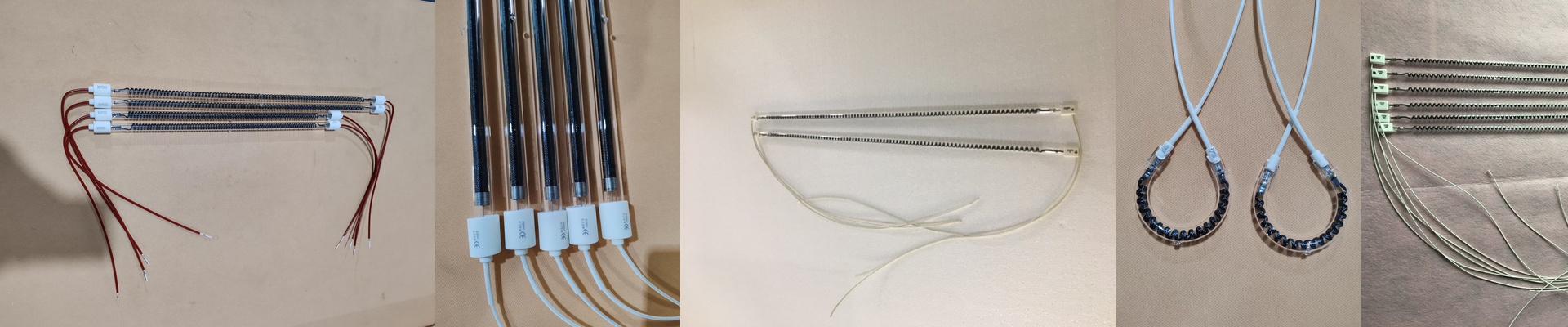
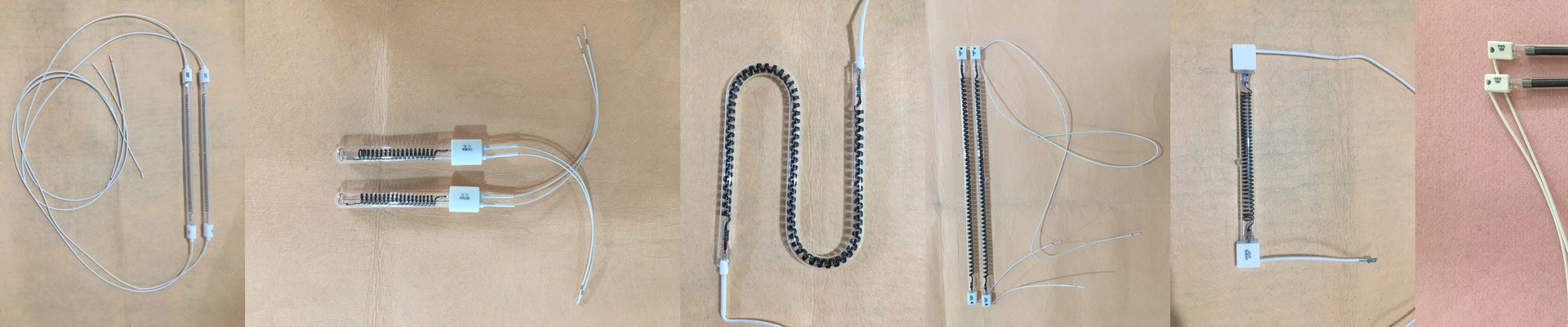
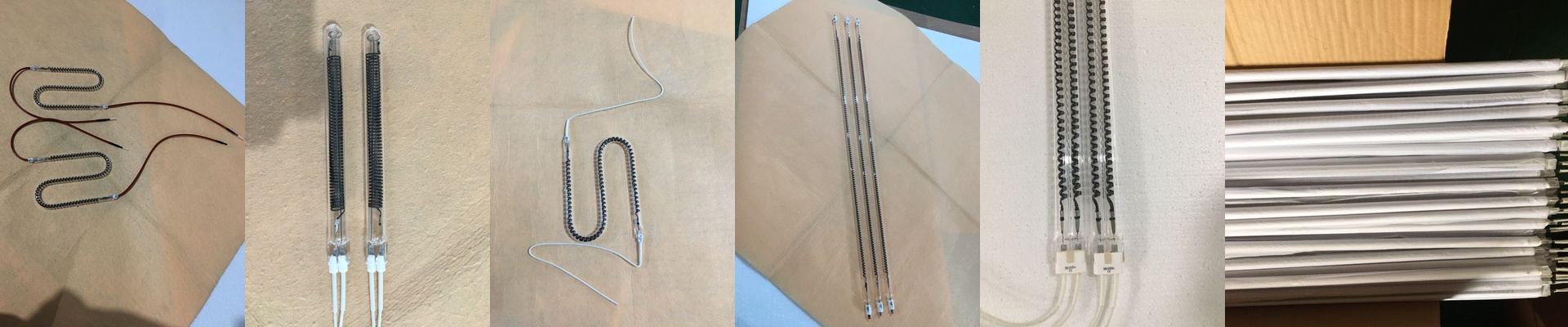
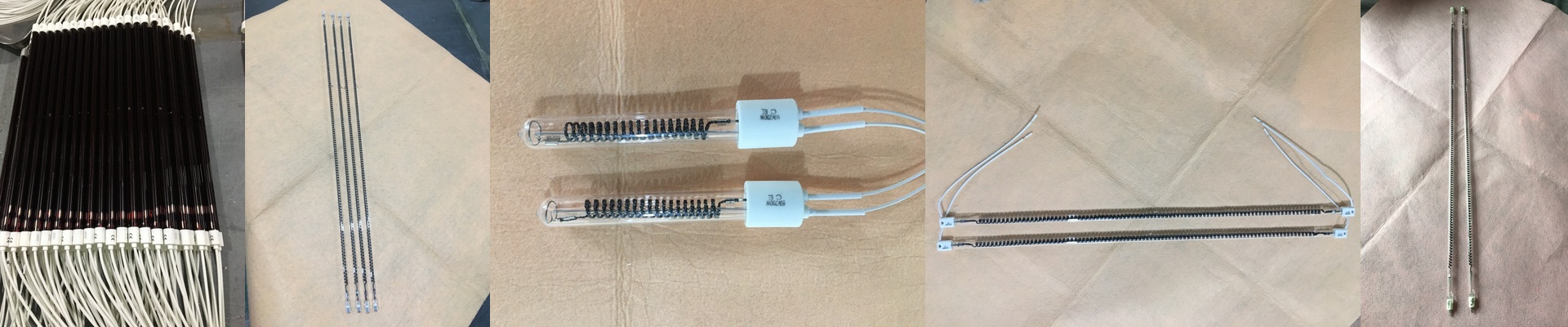
The glues used in wearables are picky. They react to specific bands of infrared light—short, medium, or long-wave. Most of the heat-set or UV glues we deal with love short-wave IR. When you use a lamp that hits those specific peaks, the photons dive straight into the glue. It triggers that chemical bond almost instantly. It’s a much cleaner process.
Working Smarter, Not Hotter
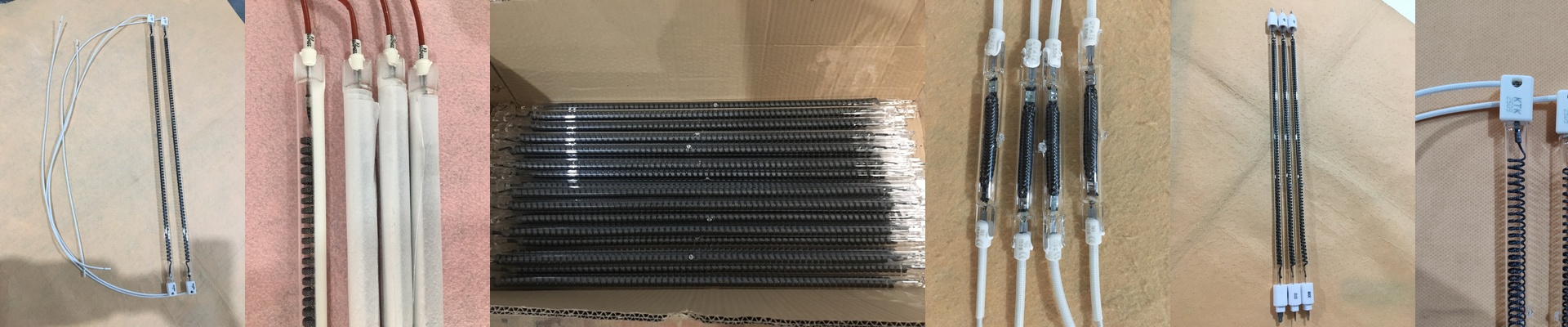
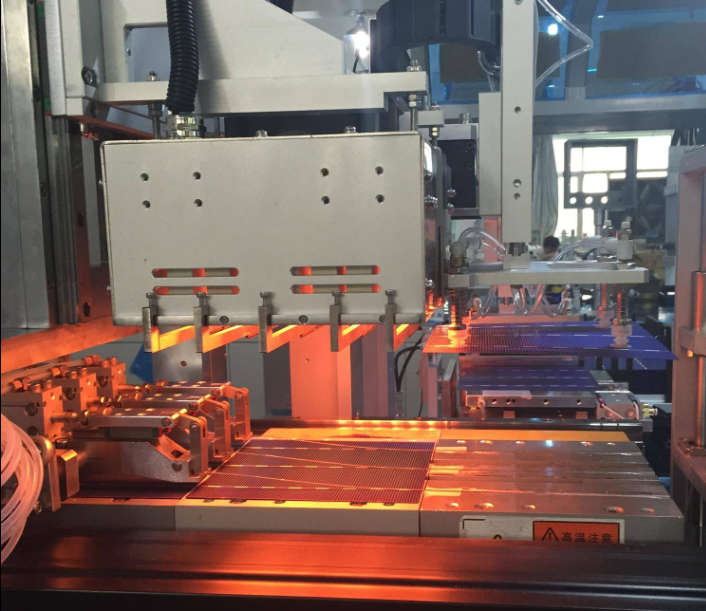
If your lamp is a bad match, you’ll probably find yourself cranking up the temperature to make it work. That’s where things get dangerous. You risk “heat soak,” where the heat bleeds into the OLED panel or the lithium battery. Not a good look. But if you use a lamp with a focused output, you can cut your curing time from minutes down to seconds. You’re hitting the glue exactly where it lives, leaving the rest of the watch cool.
A Few Things to Watch Out For
Now, these high-intensity lamps are powerful. Really powerful. Because the temperature spikes so fast, the glass and metal frame can expand at different rates. If you aren’t careful, you’ll see bubbles in the adhesive or, worse, you’ll fry the screen’s polarizer. Don’t just wing it. Use a timed trigger so you don’t accidentally over-expose the part. Also, a quick pro tip: wire these into a controlled power supply. Voltage spikes are a great way to burn out your filament. And for heaven’s sake, wear your shielding. Direct IR exposure isn’t something you want to mess with.