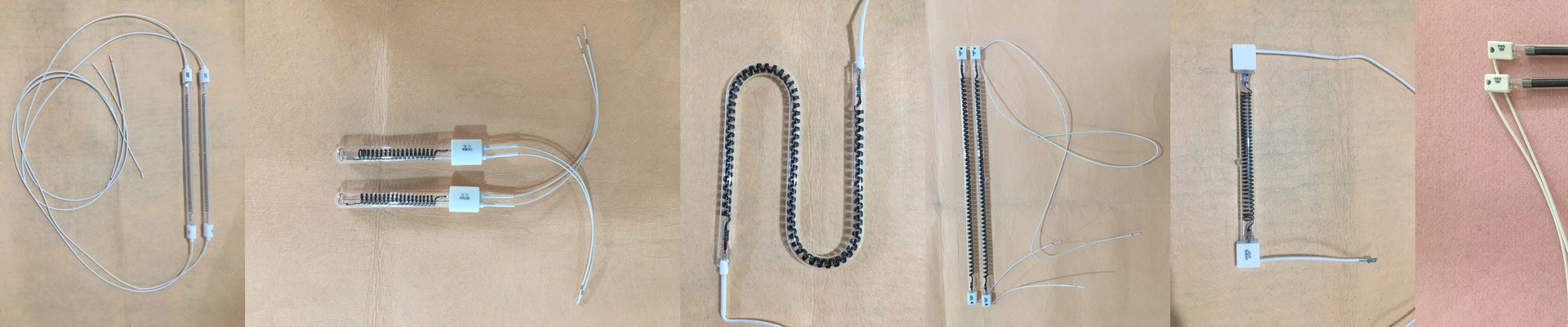
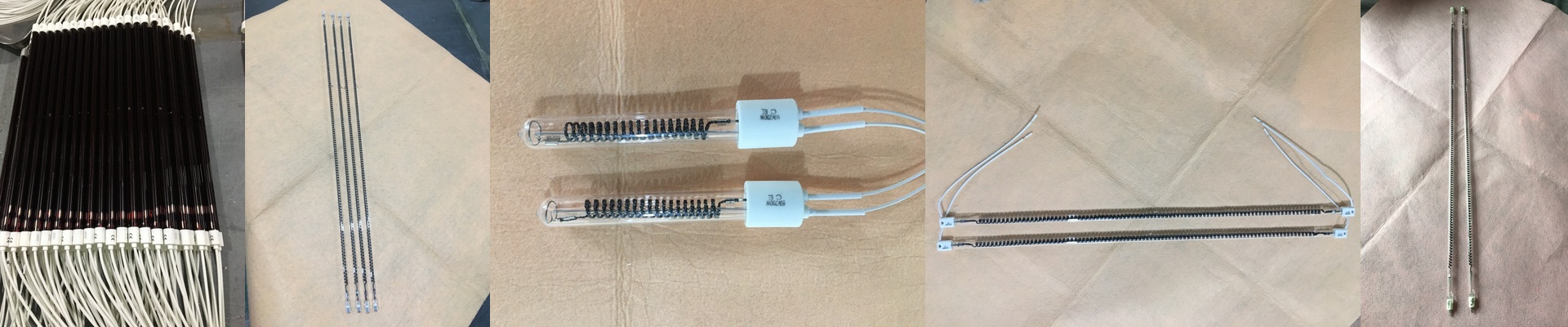
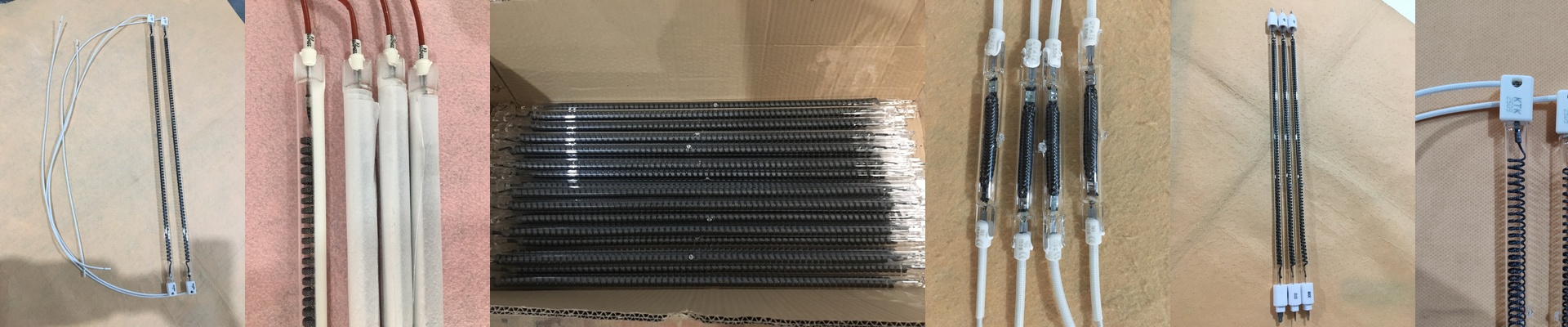
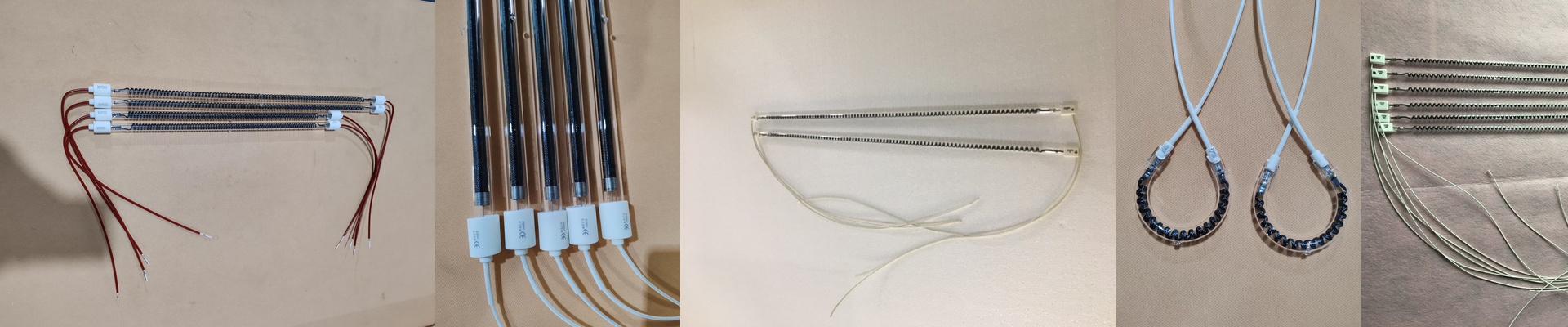
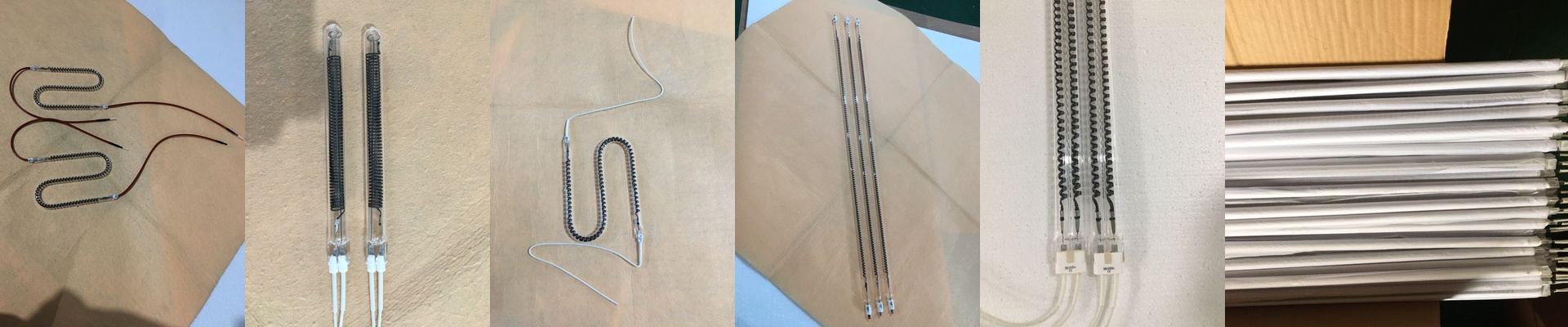
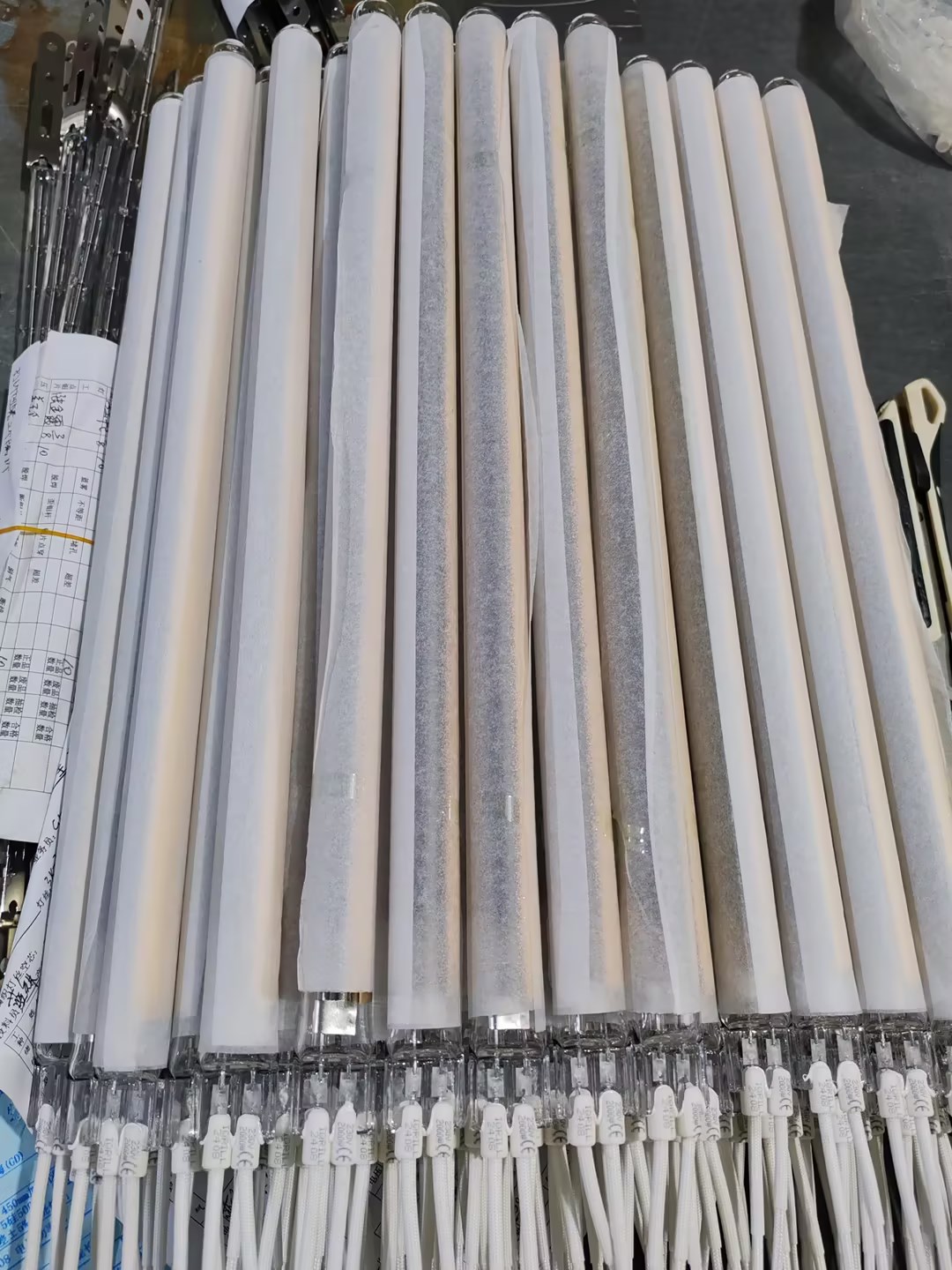
Let’s talk about the 700mm 2500W Carbon Heater
We built these 700mm carbon lamps for those heavy-duty industrial jobs where your standard quartz tubes just give up. When you’re running 2500W at 220V, you’re getting a massive amount of concentrated heat across a long, linear stretch. It’s perfect for when you need things to heat up fast—and I mean really fast—and you need that heat to actually sink into the material, not just sit on the surface. Why carbon? Here’s the thing about power density. Covering 700mm with 2500W means you can finally keep a consistent temperature across those wide conveyor belts or larger PET preforms without those annoying cold spots. We swapped out the old-school tungsten for carbon fiber filaments. Why? Because carbon can take the heat. It doesn’t evaporate nearly as fast as tungsten does, so when you’re pushing the lamp to its absolute limit, it doesn’t just burn out on you. The “Deep Heat” Difference The way carbon emits infrared is different. You get more of those medium-to-long waves. For the engineers reading this, that’s the secret sauce. Instead of just searing the top layer (which is what those short-wave halogen lamps tend to do), this heat actually penetrates deep into plastics and coatings. You won’t have to worry about scorching the surface while the core stays ice cold. One quick warning: the quartz envelope is what keeps the filament from oxidizing. If that glass cracks, the lamp is dead instantly.**And please, use gloves.**Just a bit of oil from your skin can create a hot spot on the quartz, and that’s usually how they crack prematurely. Getting it set up Wiring this into a standard 220V industrial grid is pretty straightforward. It’s basically a drop-in replacement for those clunky, aging infrared arrays. But here’s a heads-up: 2500W puts out a lot of waste heat around the housing. You’ve got to get your ventilation and cooling fans right. If you tuck this into a closed enclosure without a way for the air to move, you’ll fry your relays long before the lamp ever wears out.