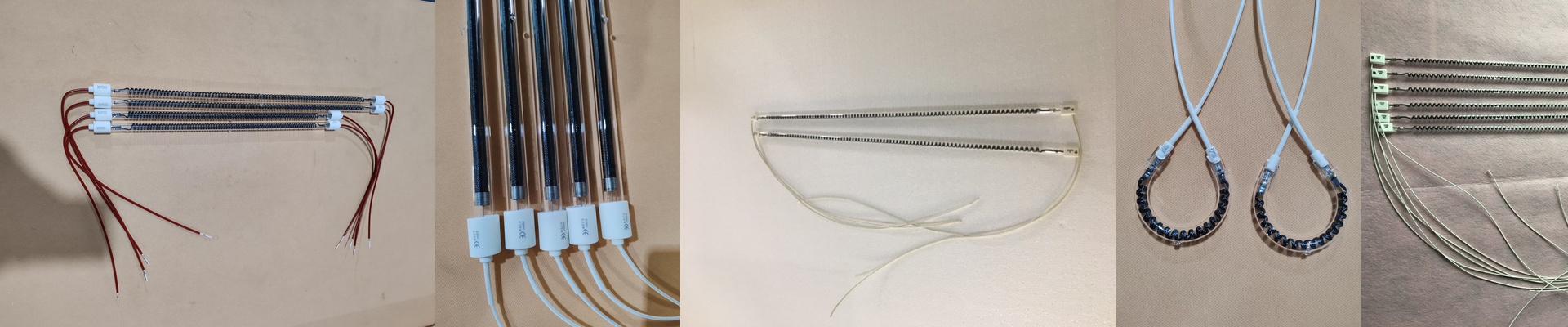
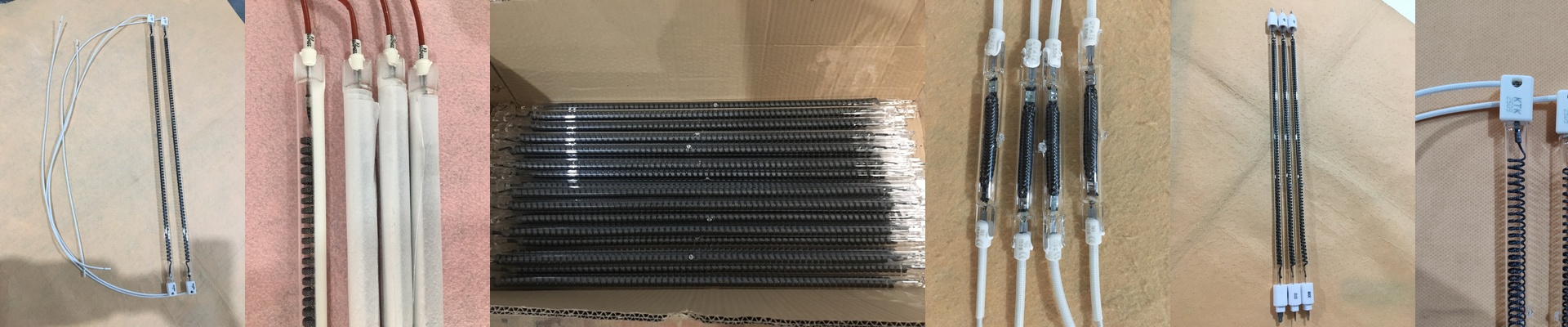
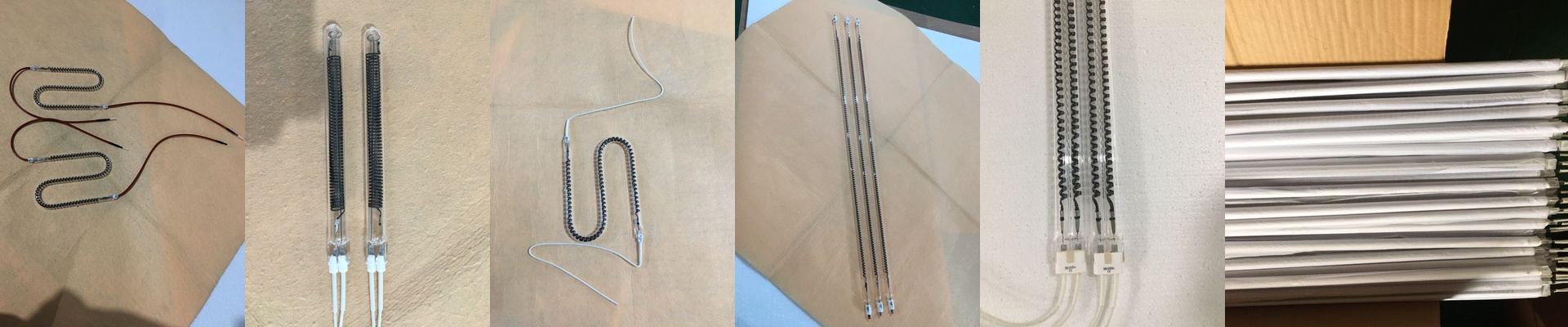
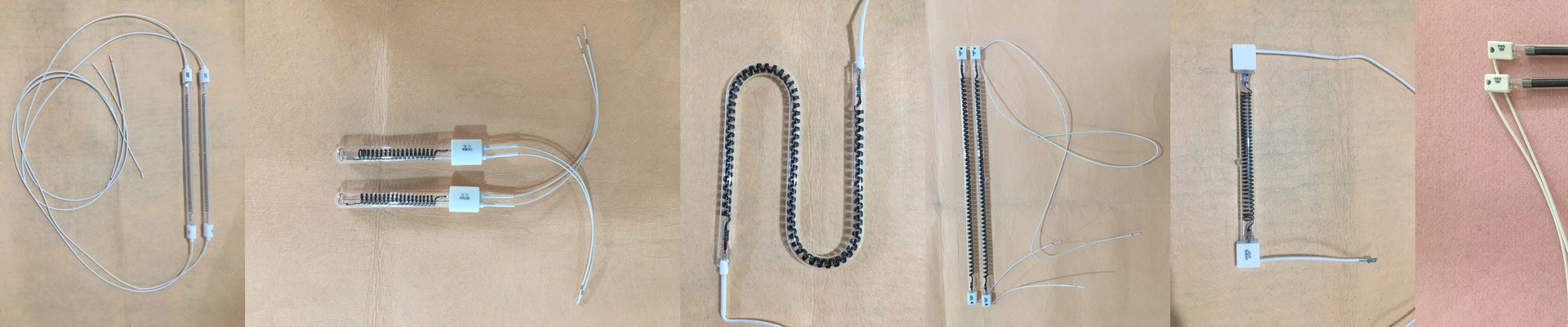
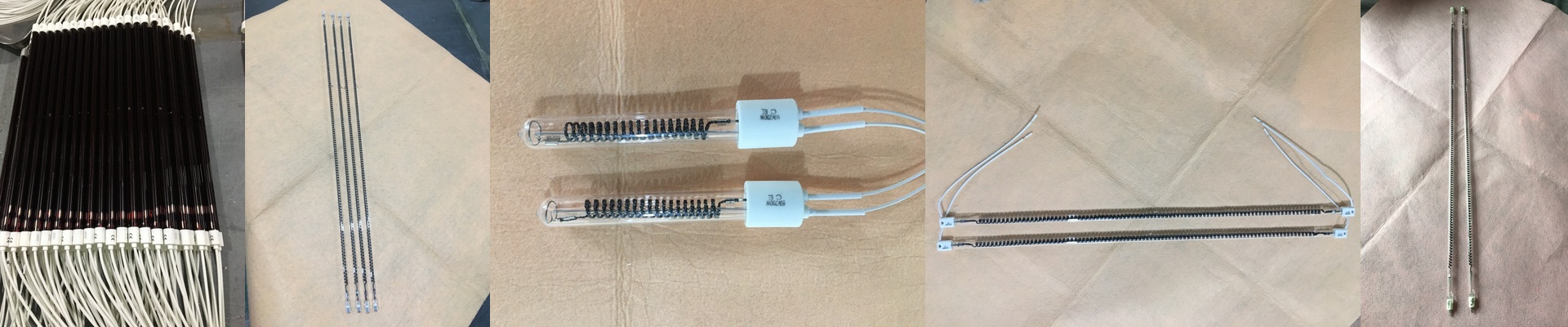
Let’s Talk About These 220V 1000W Carbon Fiber Tubes
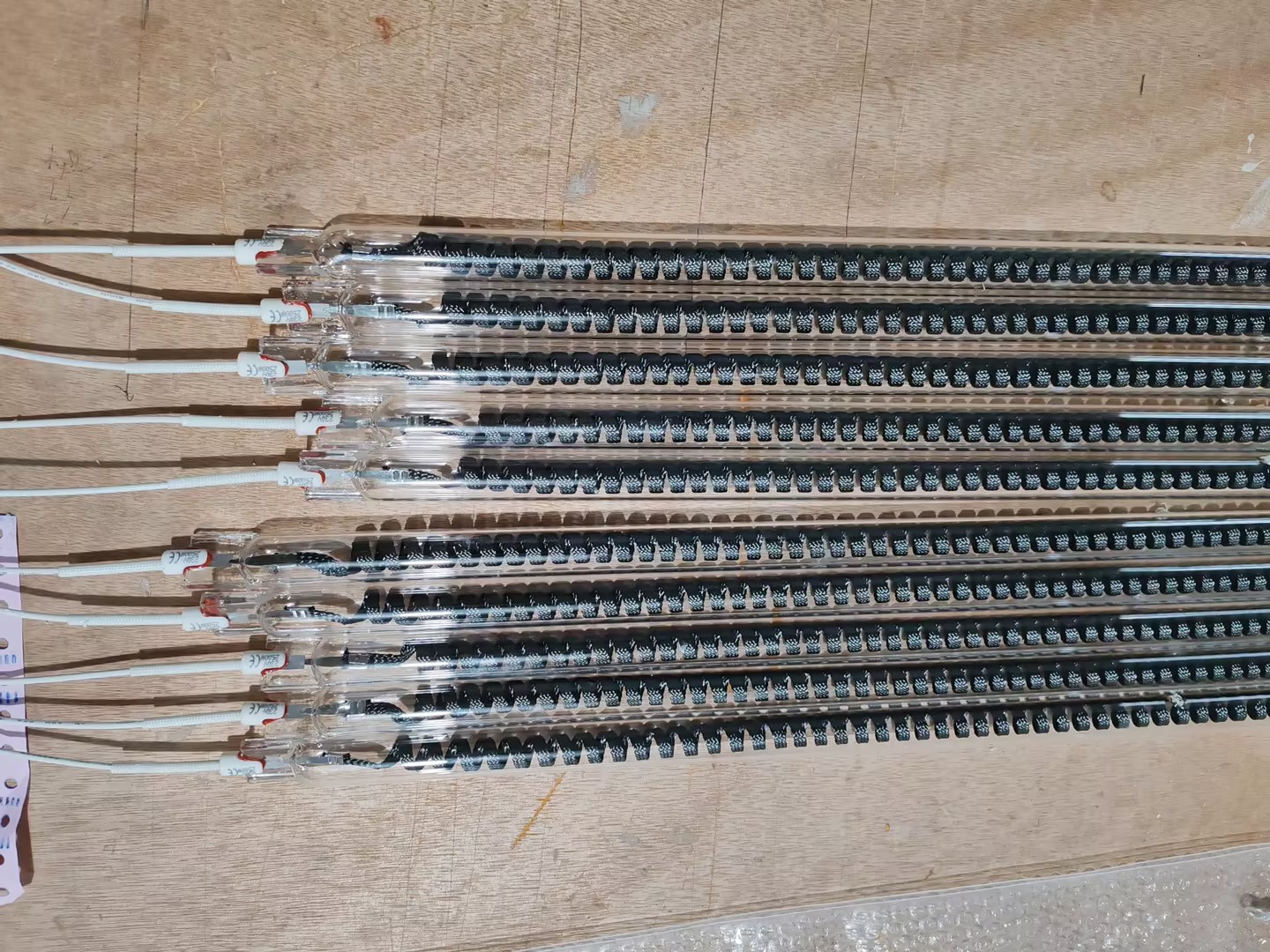
If you need heat—and you need it now—these carbon fiber tubes are exactly what you’re looking for. Most people are used to those old-school metal coil heaters. They work, but they’re slow. We went with carbon fiber filaments instead. Why? Because they don’t have to get scorching hot to push out the same amount of heat. That means they don’t burn out nearly as fast, even if you’re switching them on and off all day long. The Power Stuff At 220V and 1000W, it’s a sweet spot. You get a quick hit of surface heat without worrying about tripping your breakers or overloading your industrial circuits. And since carbon fiber handles electricity differently than nichrome, the current stays steady. If you’re using a PID controller to dial in a very specific temperature, these play really well with that setup. What’s Inside Basically, we take carbon fiber, weave it into a filament, and seal the whole thing inside a quartz envelope. Here’s the cool part: this setup changes the kind of heat it puts out. It leans toward medium-to-long wave infrared. If you’re working with organic coatings or certain polymers, they’ll soak up this heat much better. Just a heads-up: the quartz glass is there to keep the filament from oxidizing. If that seal breaks, the filament is toast. Instantly. Putting Them to Work You can usually swap these right into a 220V setup where you used to have halogen tubes. It’s a pretty easy switch. But a couple of warnings. First, be gentle. Carbon fiber is tougher than some thin-film options, but quartz is still quartz. It doesn’t like being shaken or bumped. Make sure your brackets are tight and secure. Also, keep in mind that these things ramp up almost instantly. It’s a huge time-saver, but it means your cooling fans need to be ready for a sudden spike in cabinet temperature. Don’t let the heat build up too fast, or you’ll have other problems on your hands.