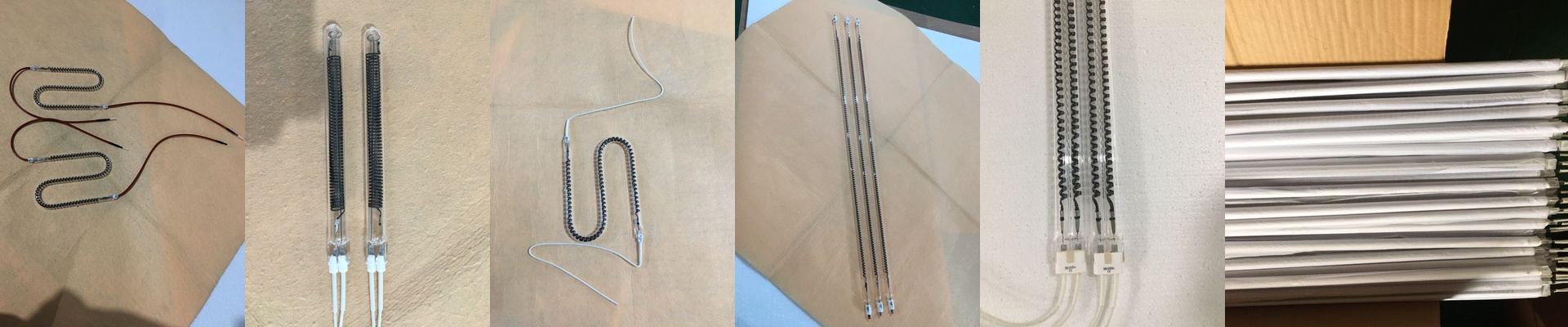
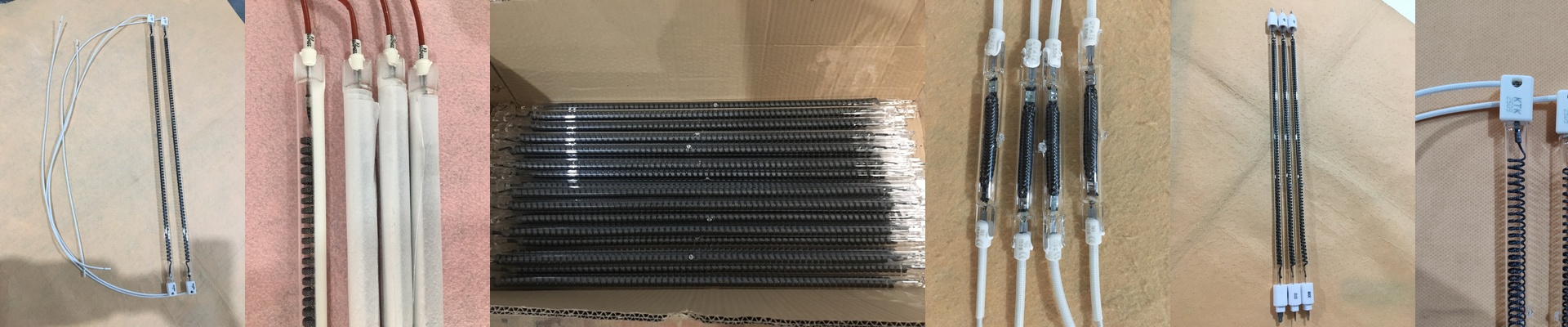
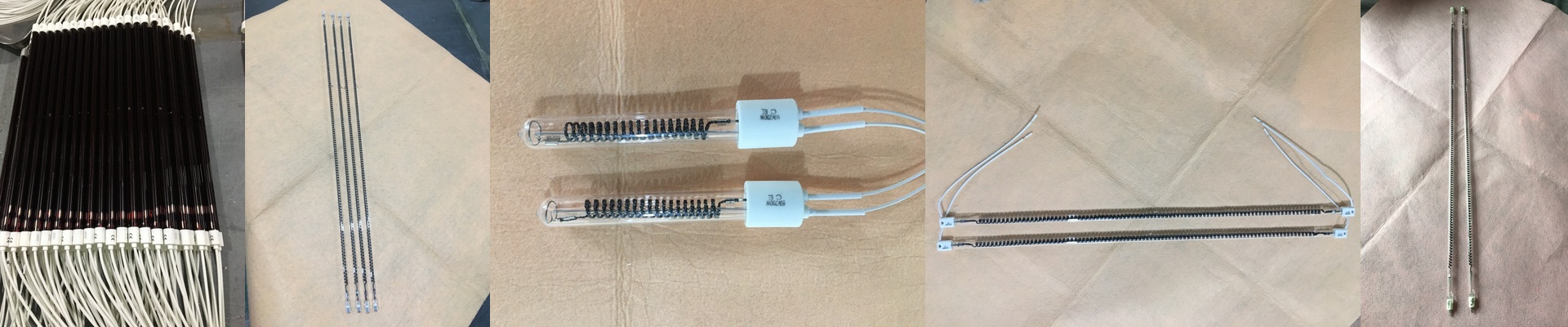
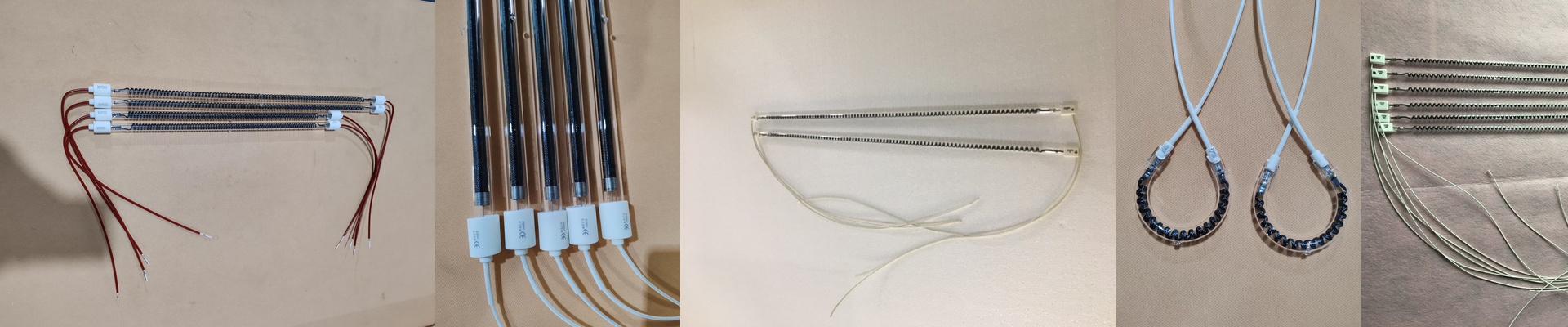
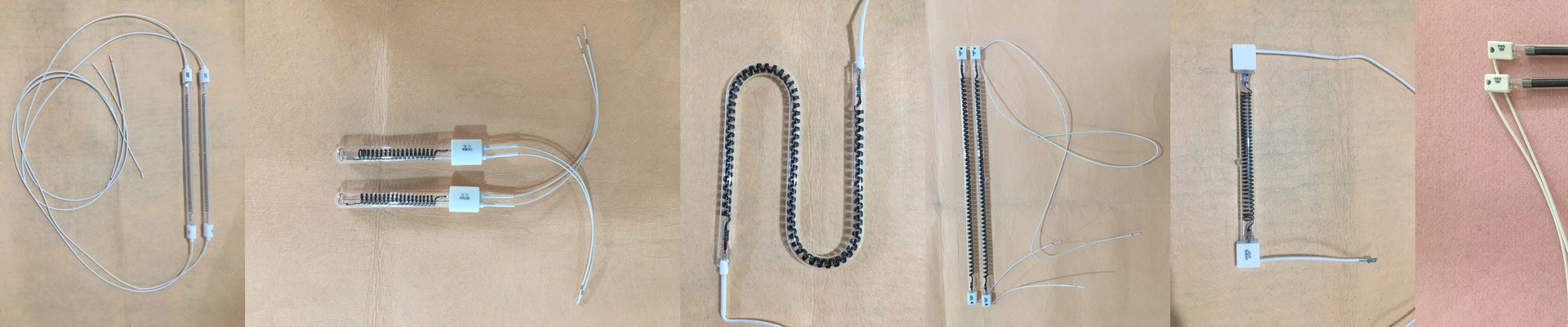
Let’s Talk About the 220V 1500W Carbon Fiber Infrared Tube
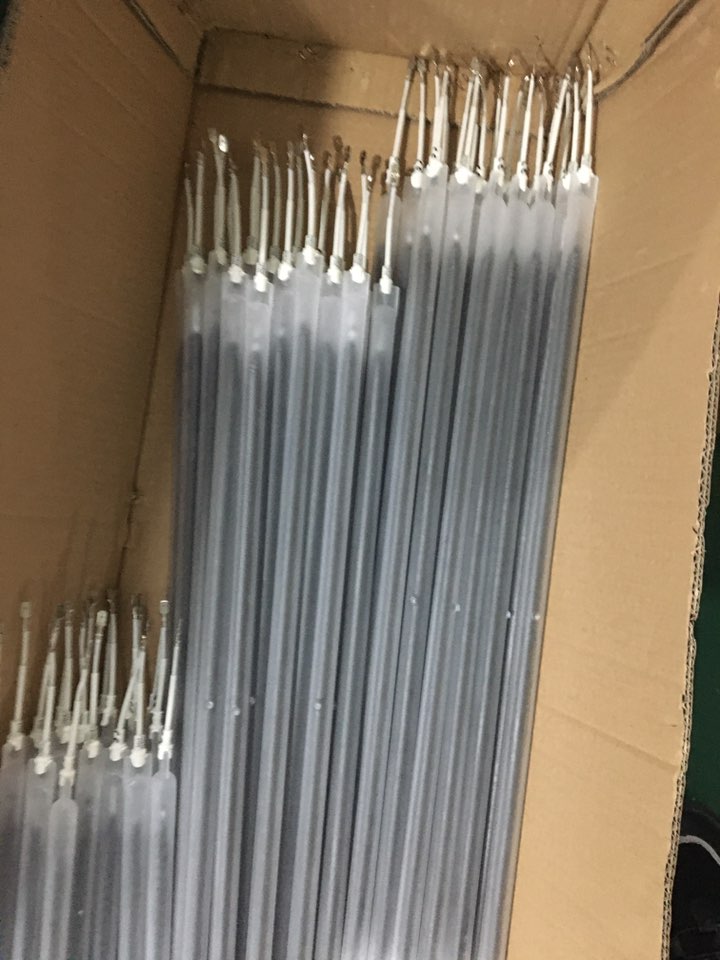
Most heating tubes use standard metal coils, but we do things a bit differently. We use carbon fiber filaments. Why? Because they shift the heat into that medium-to-long wave infrared sweet spot. Plus, carbon fiber is a beast. It handles high current without sagging or burning out nearly as fast as the old-school stuff. It just lasts longer. The Power Side of Things We’ve dialed this one in at 1500W on a 220V line. It’s a lot of concentrated heat. This is perfect for when you need things to heat up fast, but you don’t have those massive 380V or 400V industrial setups in your shop. We’ve worked hard to make sure the heat stays steady across the whole tube. Just a heads-up: keep your power supply clean. If you’ve got voltage spikes jumping around, you’re going to kill your filament way sooner than you should. What’s Under the Hood? The whole thing is wrapped in high-purity quartz glass. Think of the quartz as a window—it lets the infrared radiation fly right through instead of soaking it up. That means more heat hits your project and less stays trapped in the tube. And the carbon fiber core? It doesn’t expand and contract nearly as much as tungsten does. This is a big deal. It means the tube stays stable even when you’re cranking the heat up and down rapidly. Real-World Use (and a few warnings) You’ll usually see these in PET blowing machines, drying tunnels, or paint curing lines. If you’ve got a mid-sized industrial heater, this is usually a pretty easy swap. But here is the thing:Watch your reflectors. Because these tubes run so hot, your reflectors need to be spot on. If they’re dirty or pitted, you’re wasting heat. The tube then has to work twice as hard to hit your target temperature, which puts a ton of stress on the quartz seals. Keep the glass clean. Avoid the hotspots. Your equipment will thank you.