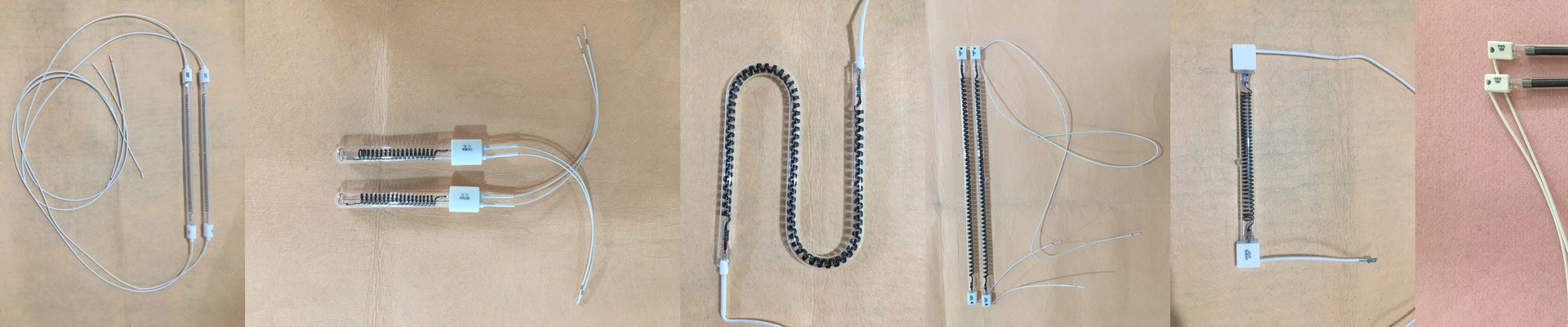
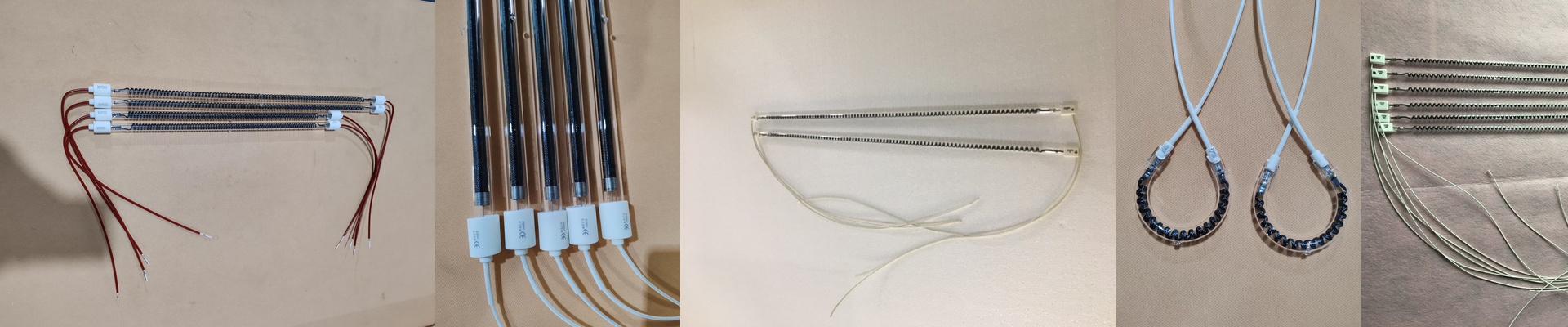
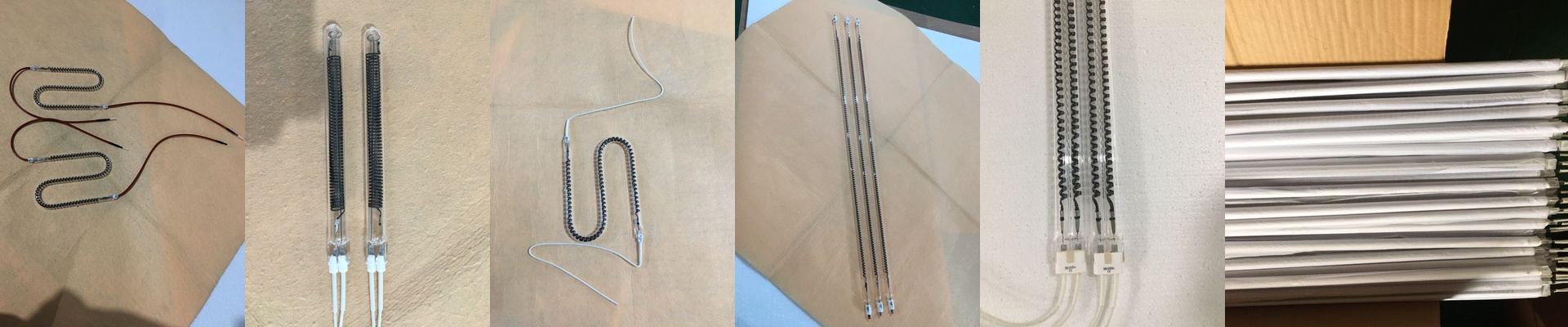
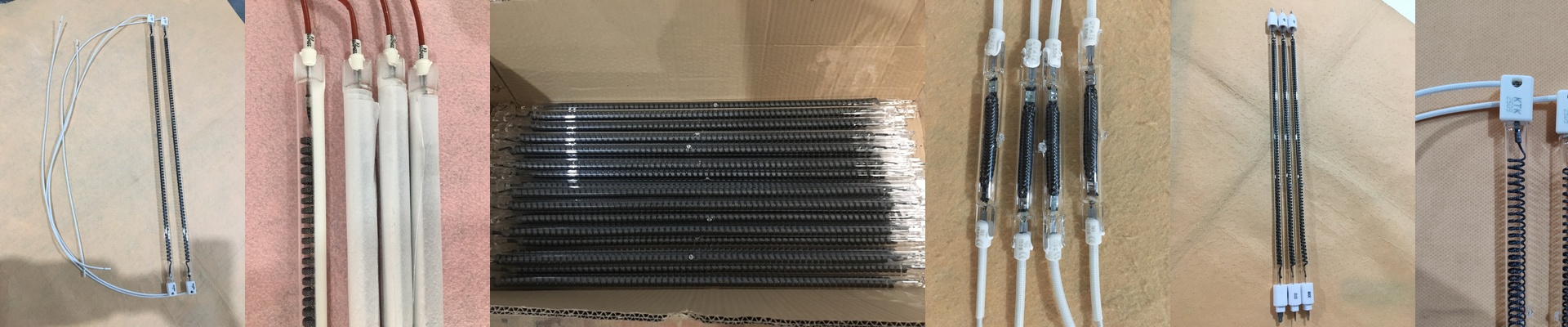
Getting the Most Out of Carbon Fiber Infrared Heat Tubes
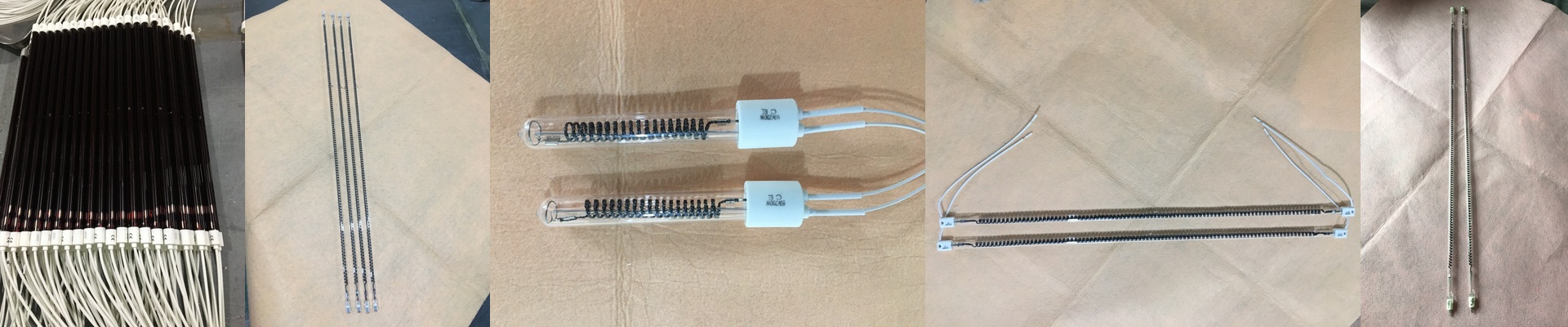
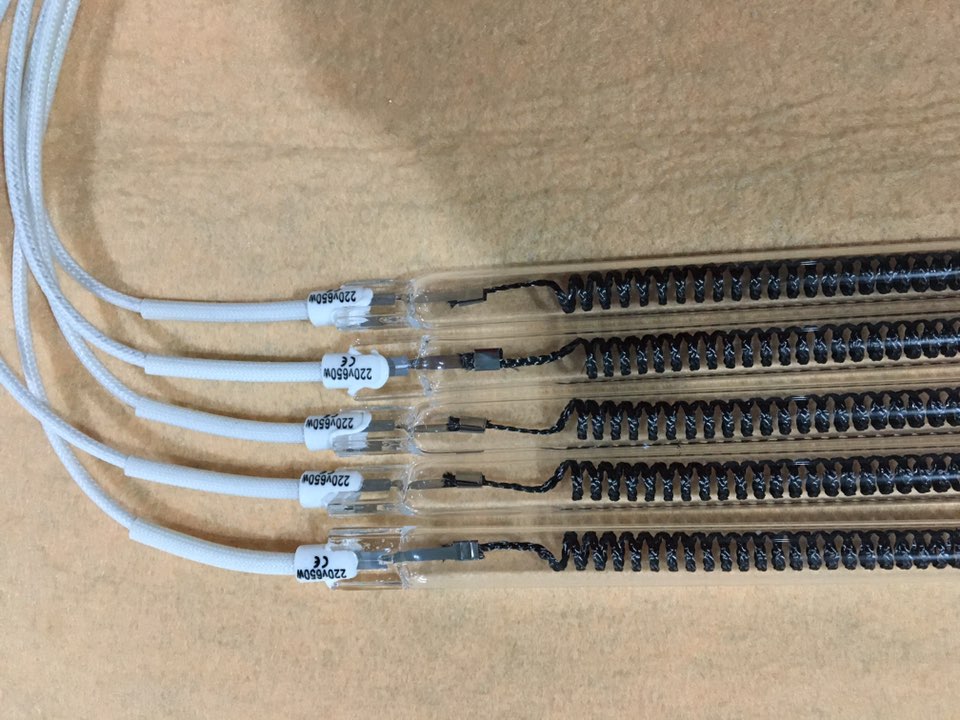
If you’ve ever dealt with standard metal filaments, you know the headache. They sag. They snap. They take forever to actually get hot. Carbon fiber changes that. Because we’re using carbon inside a quartz tube, we can crank up the current way higher. The result? Your equipment hits operating temperature almost instantly. No more sitting around waiting for the oven to warm up while your production line stalls. Let’s talk power. The real magic is in the short-wave radiation. This isn’t just surface heat; it actually digs deep into whatever you’re heating. But here is the catch: you have to get your power supply and the tube’s impedance exactly right. If you try to over-volt the system, you’ll fry the filament in a matter of hours. It’s not a “trial and error” kind of thing—get the specs right the first time. The build quality We wrap everything in high-purity quartz glass. Why? Because it doesn’t freak out when the temperature swings wildly from cold to hot. For the connections, we stick to R7s or Sk15. They’re basic, reliable, and plug-and-play. If a tube goes, you just swap it out and keep moving. You don’t have to spend your afternoon rewiring the whole machine. And if you’re working with sensitive materials that scorch easily, we have some specialized coatings that tweak the heat spectrum to keep things gentle. The real-world trade-off These tubes are absolute workhorses for things like PET blowing or industrial drying. You get a massive amount of heat coming out of a tiny footprint. But there’s a price for all that power. You have to keep your reflectorsspotlessly clean. I mean really clean. A little bit of dust or oxidation acts like a wall, killing your efficiency and creating dangerous hotspots on the tube. Plus, keep an eye on your housing. All that concentrated heat needs a place to go, or you’ll end up melting your connector sockets. Just make sure there’s enough airflow to keep the electronics cool.