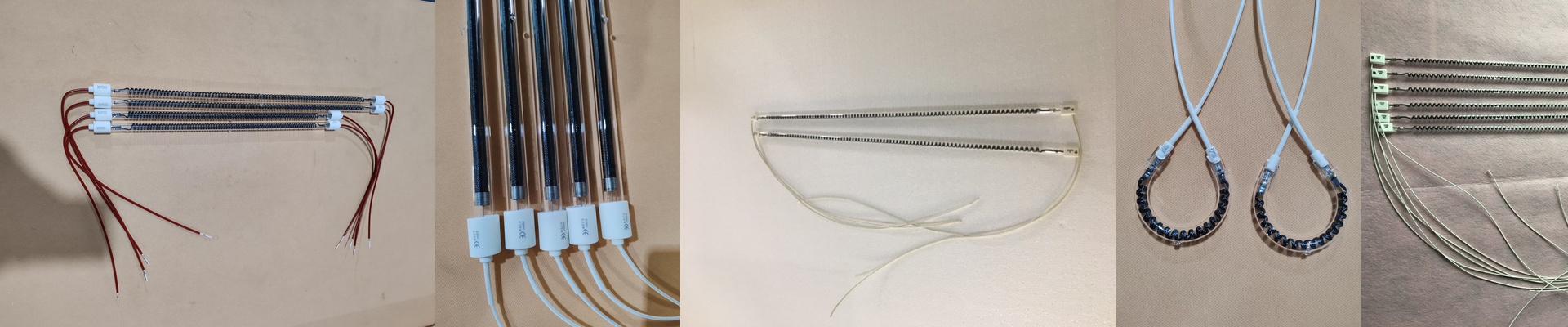
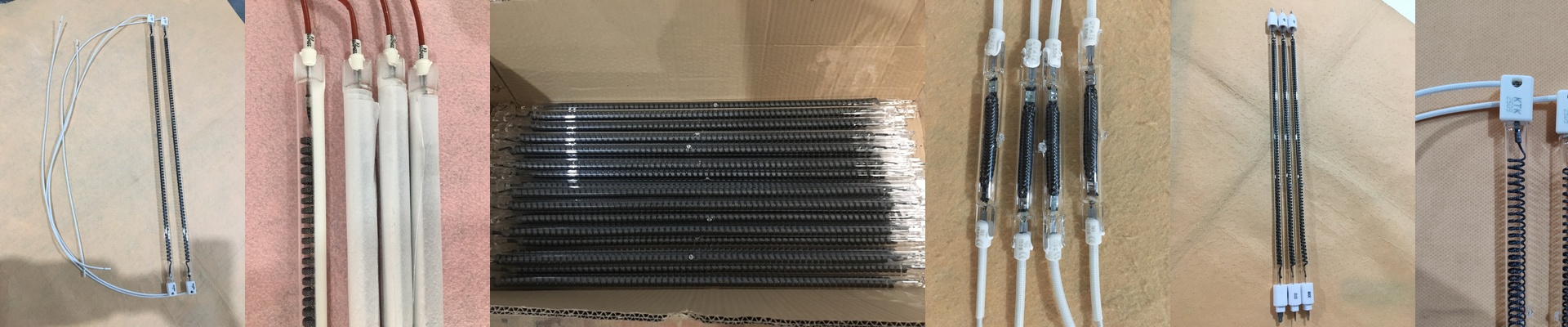
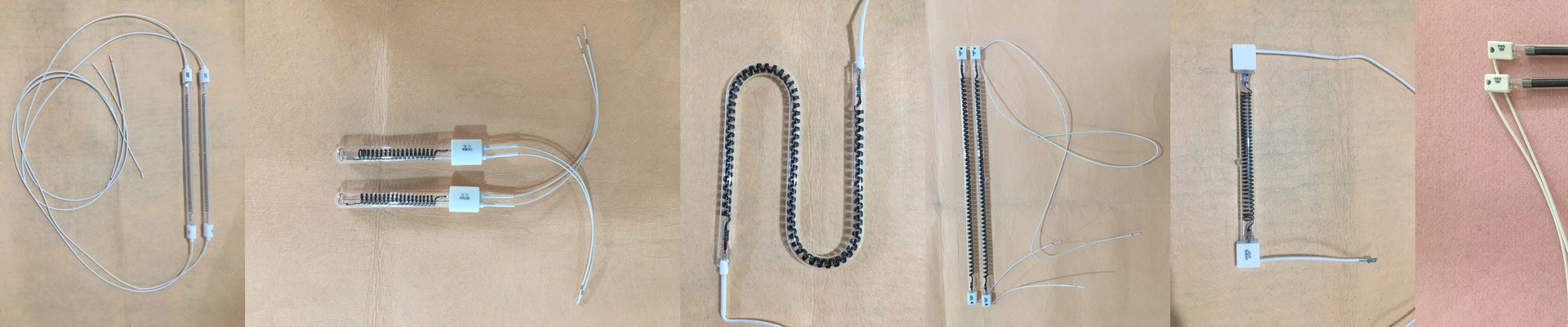
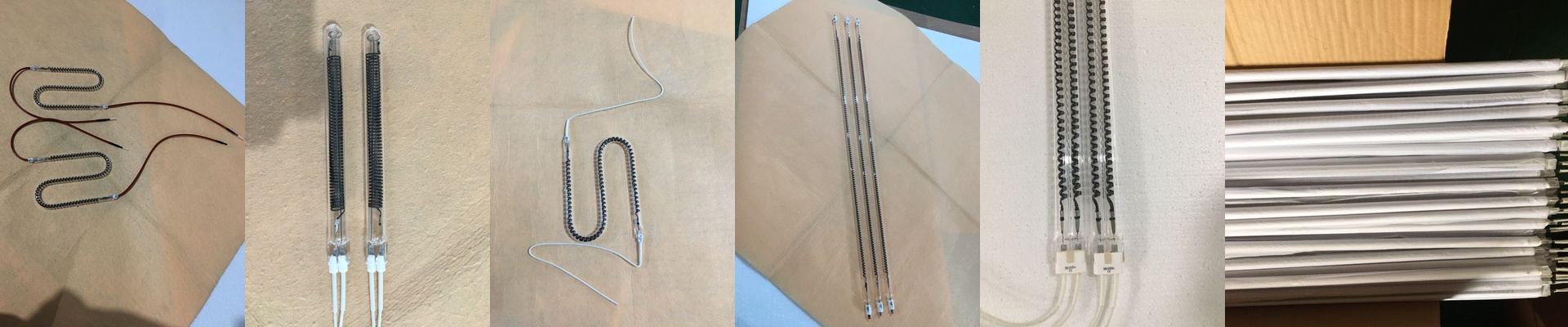
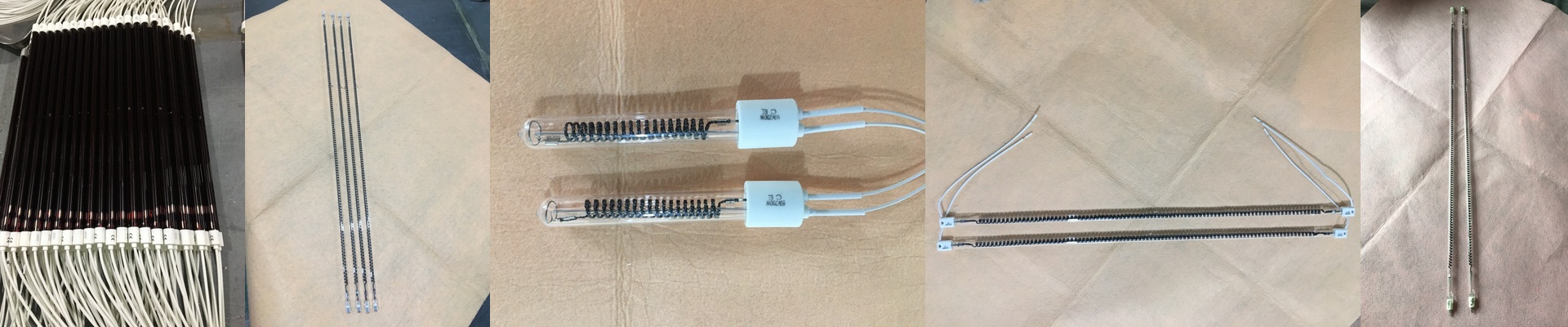
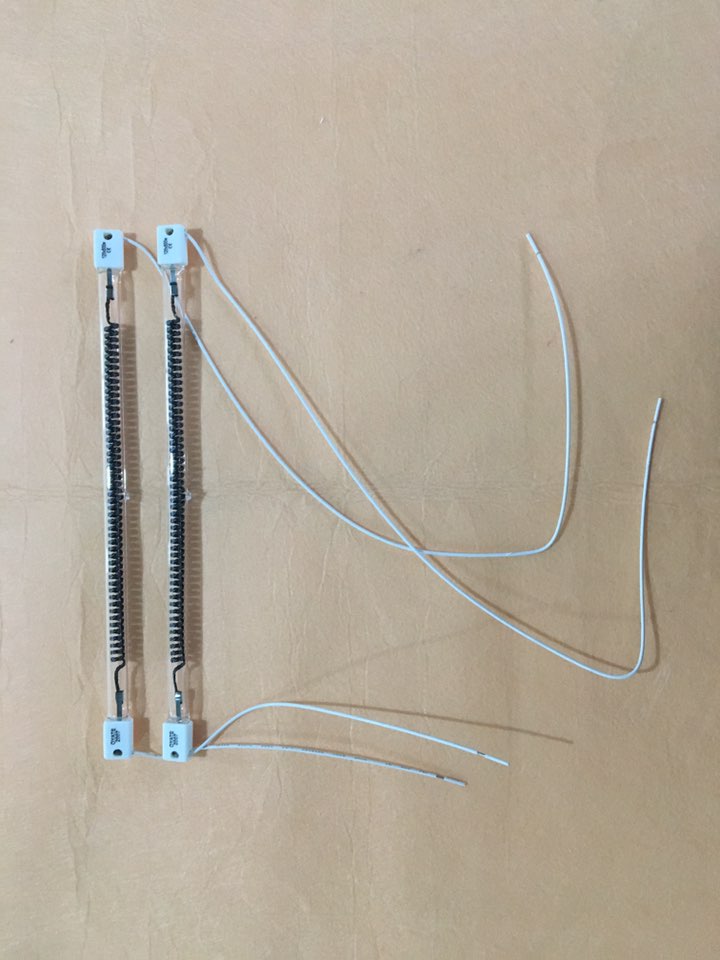
Let’s talk about the 2000W Carbon Fiber Heat Lamp
We built these lamps for when you need a massive amount of heat, and you need it now. Most people are used to standard metal alloy elements, but these use carbon fiber. It changes the way the heat actually hits your target. Instead of waiting around for the oven to slowly crawl up to temperature, these things snap to heat almost instantly. It saves a ton of time in the long run. The power side of things Now, a 2000W rating isn’t a joke. It puts a serious load on your power rail. You’ll want to double-check your wiring and contactors. If they aren’t beefy enough to handle the continuous current, your terminals are going to overheat. We kept the physical footprint small, but the heat output is intense—perfect for curing or drying. One quick tip: if you’re packing a whole bank of these into one oven, keep an eye on your voltage drop. You want the heat to be the same across every single lamp, not hotter at the front than the back. Why carbon fiber? Here’s the deal: metal wires (like nichrome) tend to sag or warp when things get screaming hot. Carbon fiber doesn’t do that. We wrap the filament in a quartz envelope that lets the infrared radiation pass through without losing its punch. It creates a focused beam that actually penetrates deep into whatever you’re heating. But—and this is a big but—quartz is fragile. It hates being bumped and it hates sudden temperature shocks. You can’t just toss these into a vibrating machine and hope for the best. Use the proper mounting brackets, or you’re going to have a bad day. Getting them installed Keep it simple. Use high-temperature leads and the standard connectors we provide so they just slide right into your existing IR arrays. The real secret is the spacing. Don’t crowd them. If you jam the lamps too close together, you might actually overheat the oven chassis itself. Also, make sure your airflow is dialed in. You don’t want heat pooling around the ends of the lamps. That’s usually where they burn out, and nobody wants to be replacing lamps mid-shift.