Stop Just “Heating” Your Boards: Let’s Talk Precision
If you’ve ever spent a night trying to fix smart grid electronics, you know the drill. You’re staring at a high-density PCB with layers upon layers of circuitry, and you’re terrified. One second too long with a standard heater and—pop—there go your traces. Or worse, you lift a pad and suddenly you’ve got a very expensive paperweight on your desk. The secret isn’t just adding heat. It’s about keeping that heat exactly where it belongs.
Why “Close Enough” Isn’t Good Enough
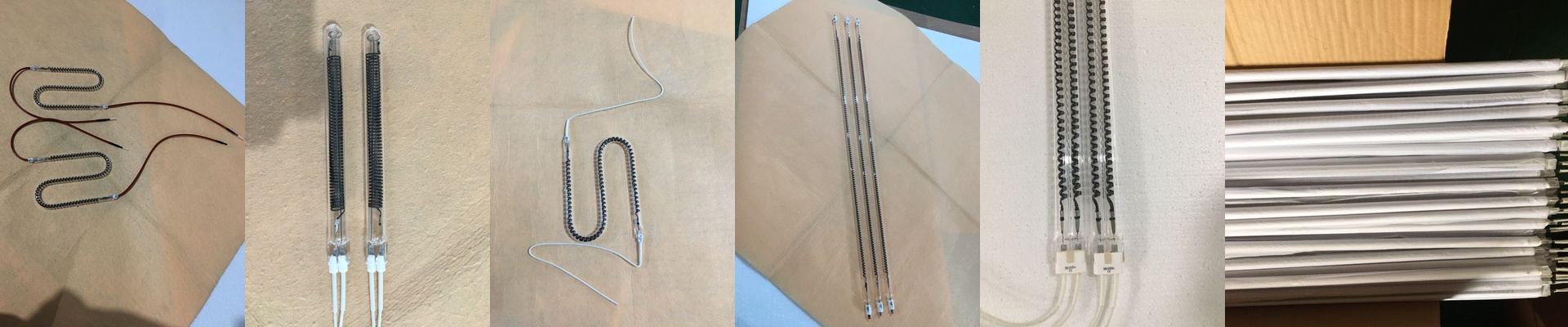
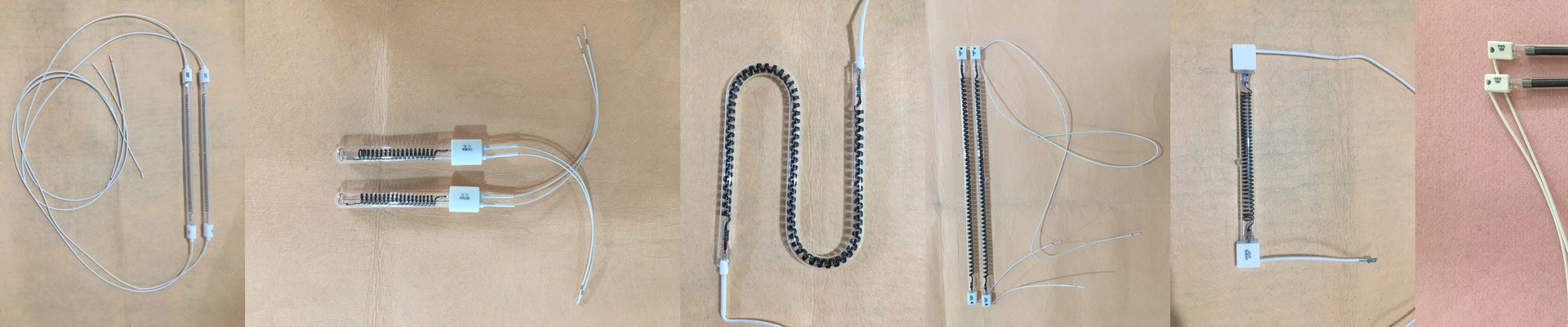
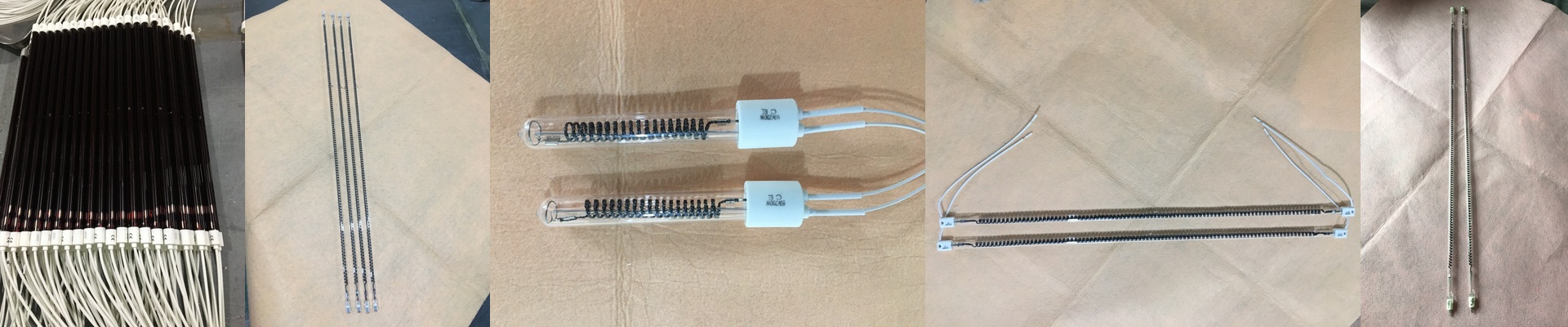
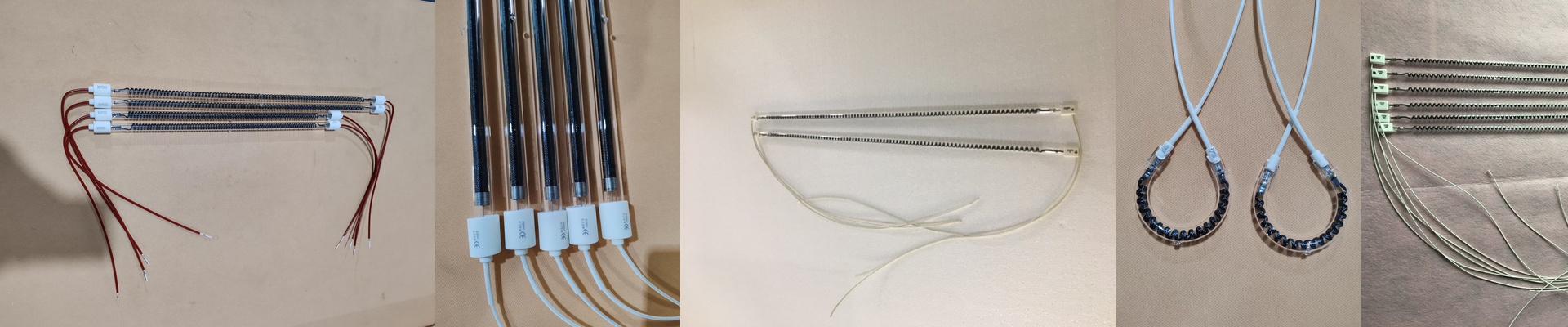
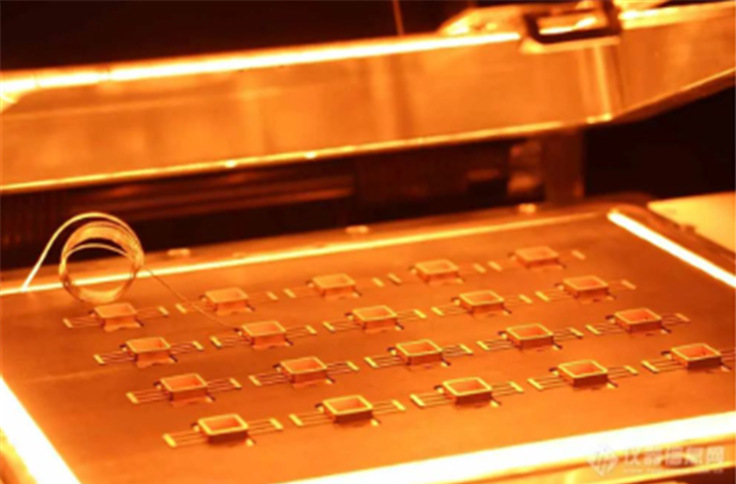
Most people reach for a generic heat gun. That’s a mistake. In the world of Electronics 4.0, we need something much more surgical. We use infrared and conduction systems that are tuned for specific surface areas. The real magic here is the “thermal mass.” Because our heaters can ramp up and cool down almost instantly, you don’t get that dreaded “heat soak.” You know that feeling when the heat just keeps creeping across the board, threatening to fry a nearby capacitor or a logic gate? Yeah, we’ve fixed that. You hit the joint, it melts, and then the heat vanishes before it can do any damage.
The Gear Under the Hood
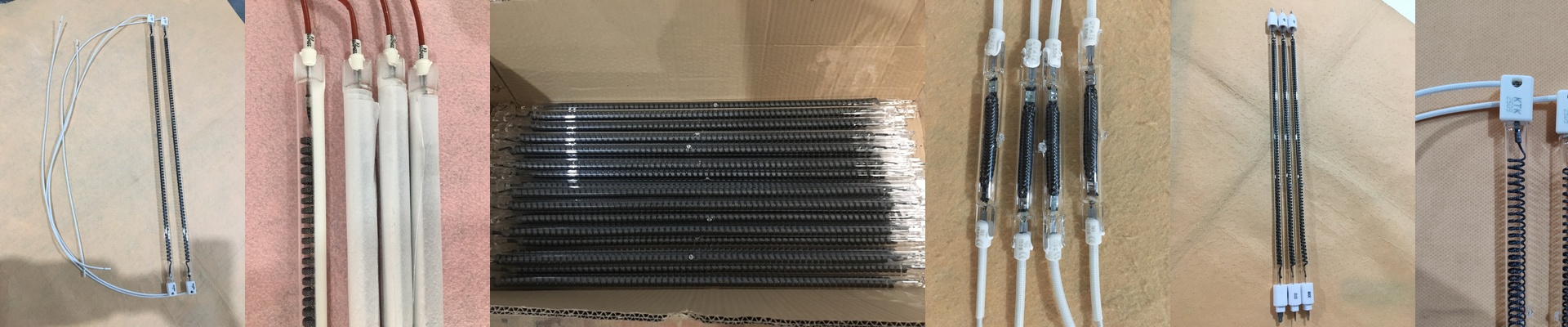
We designed these systems to slide right into your existing setup. No need to rip out your whole workbench. Inside, we’re using high-grade alloys and PID controllers that actually do their job. Cheap gear swings back and forth in temperature, which is a nightmare when you’re doing precision work. Our stuff stays locked in within $\pm 1^\circ\text{C}$. Plus, we beefed up the connectors. When you’re running high current through these things during a long rework session, the last thing you want is a wiring harness that’s starting to melt.
The One Catch: Airflow
Here is the thing: high-density heating is fast. It’s incredibly efficient. But it puts a lot of pressure on your ventilation. You can’t just run these tools in a stagnant room. If the air around you gets too hot, it throws off your calibration. It’s a simple trade-off. We provide the raw heating power, but you’ve got to make sure your cooling fans are up to the task. Get that balance right, and you can fly through your repair line without worrying about scrapping a priceless smart grid module.