Getting the Most Out of Carbon Infrared Heater Tubes
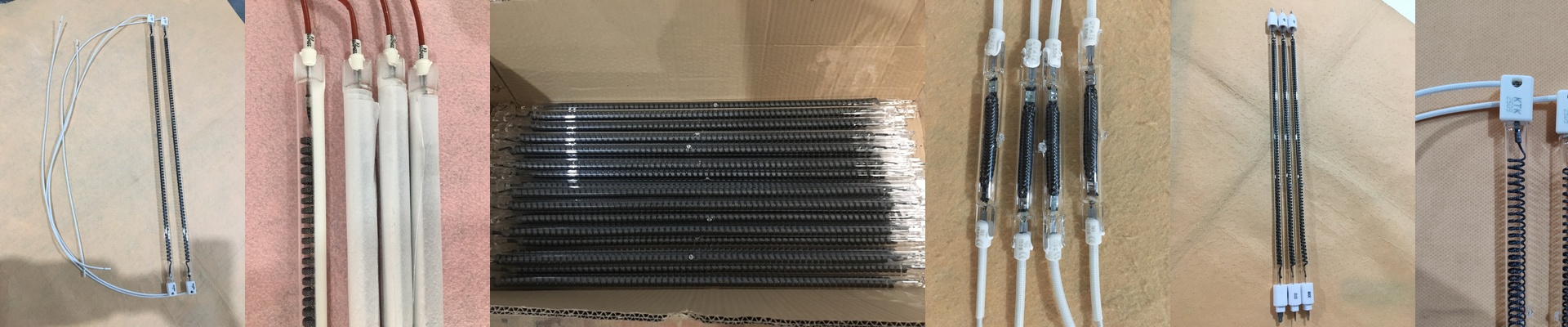
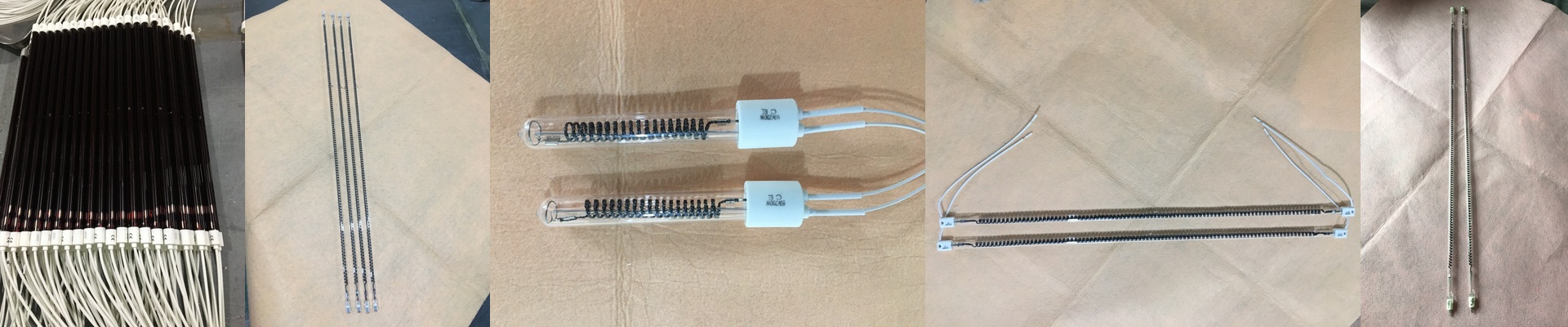
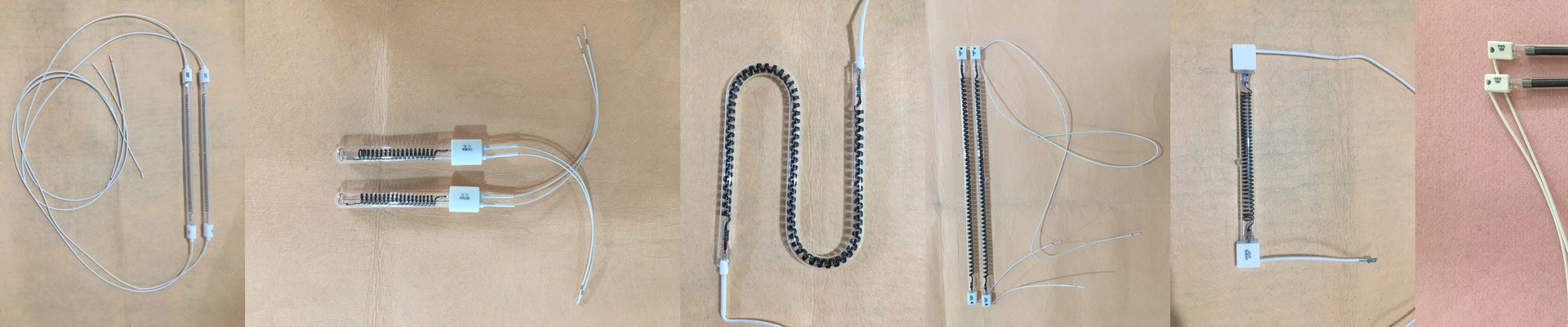
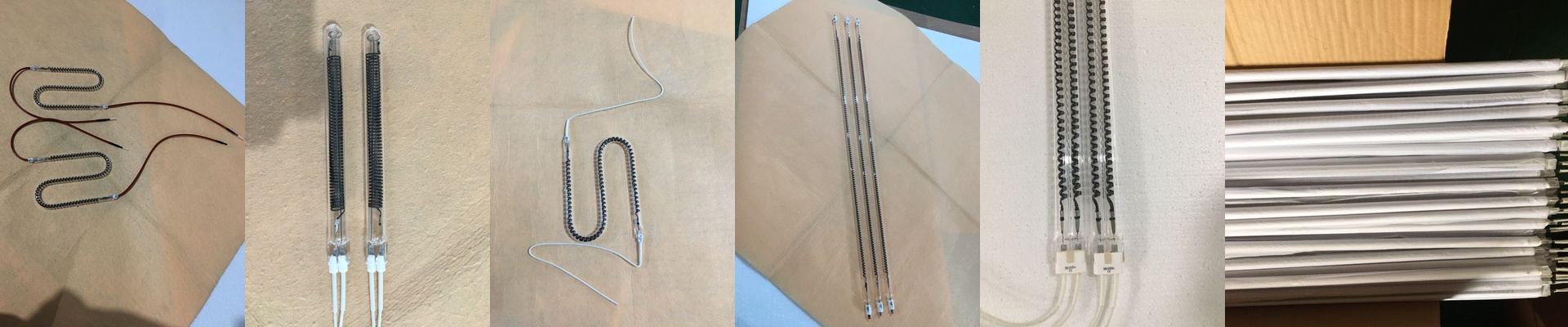
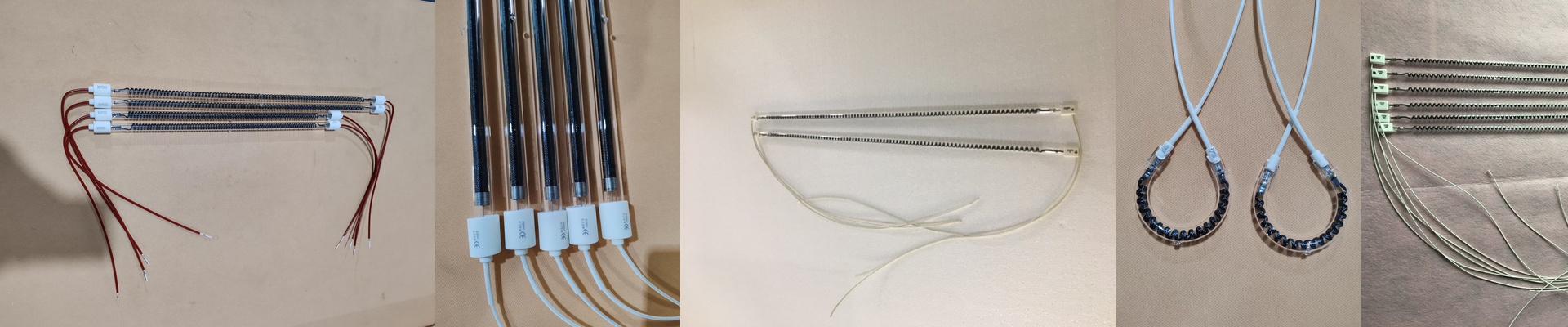
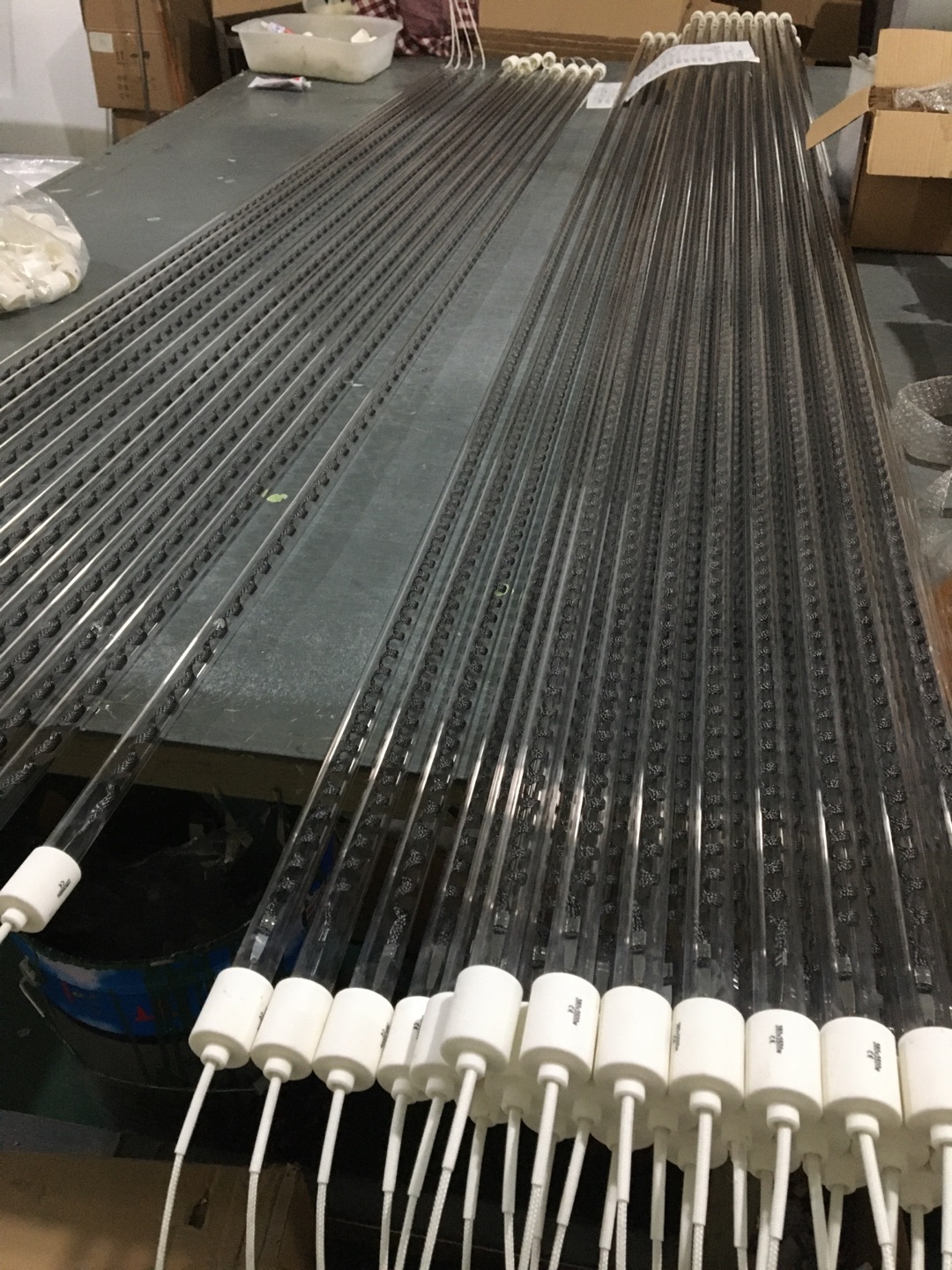
Here is the deal with carbon heater tubes: they’re basically a carbon fiber filament tucked inside a quartz sleeve. When you run a current through them, they don’t just get hot—they blast heat. If you need a thermal punch that actually sinks into your materials rather than just skimming the surface like old-school metal coils, this is the way to go. The Power Side of Things When we’re talking specs, it really comes down to voltage and wattage. High wattage means you’re packing a lot of energy into a tiny space. It’s great because your ramp-up time is almost instant. But a word of caution: you’ve got to match your power supply to the tube’s rated voltage perfectly. If you don’t, you’ll fry the filament before you even get a chance to use it. Also, if you’re pushing these tubes to their limit, make sure your cooling system can actually handle the heat soak around the housing. You don’t want your machine sweating. What They’re Made Of We use high-purity quartz for the envelope. Why? Because it can take a beating from extreme heat without warping or twisting. Then there’s the carbon filament. It works on a shorter wavelength than nichrome, so the heat hits your target way faster. For the plugs, we stick with R7s or Sk15 connectors. They just slide right into most industrial sockets, so you won’t be messing around with custom adapters or weird wiring. Some of our tubes have a special coating to tweak the emission spectrum. Just keep in mind that these might take a few extra seconds to fully warm up. Putting Them to Work You’ll see these all over PET blowing and plastic curing lines. The trick is hitting that “sweet spot”—the glass transition temperature—without scorching the surface of the plastic. By playing with the wattage and the length of the tube, you can pretty much dial in the heat exactly where you need it on the preform. One last tip: keep your reflectors spotless. If they’re dusty or grimey, you’re just throwing away infrared energy. And for heaven’s sake, make sure your tubes are aligned. If they’re crooked, you’ll get hot spots, and your final parts will end up with uneven walls. Not a great look.