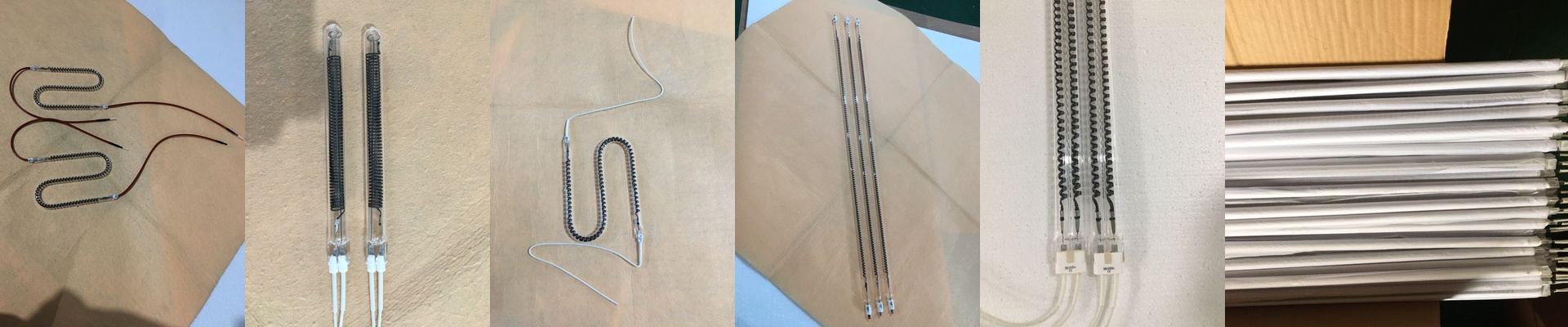
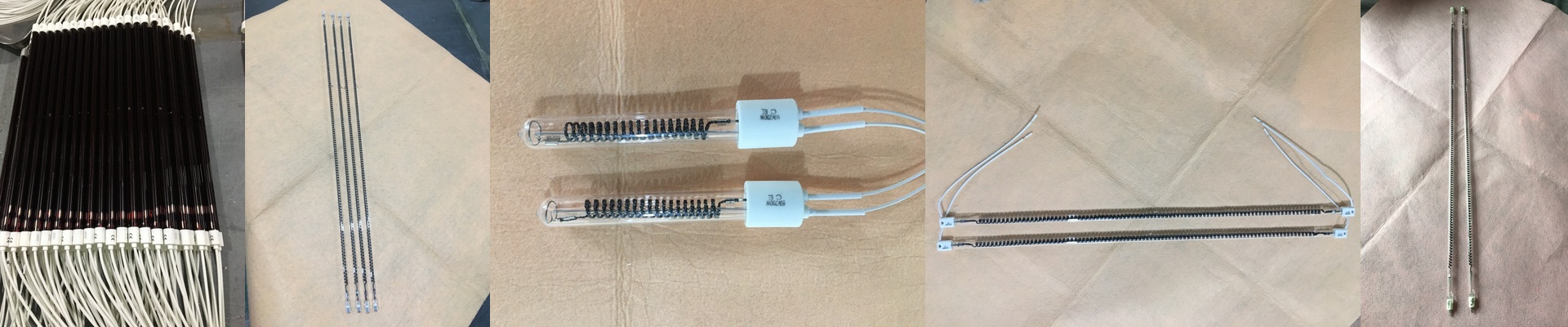
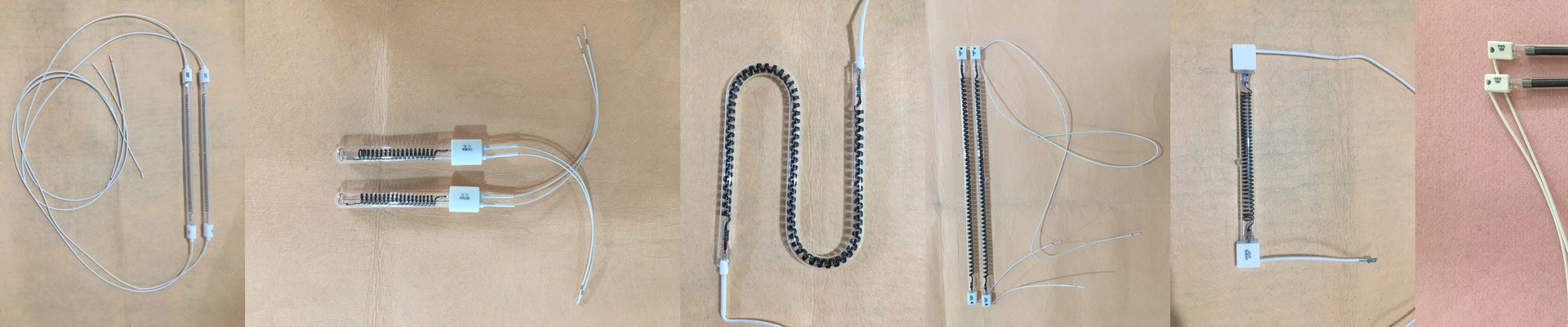
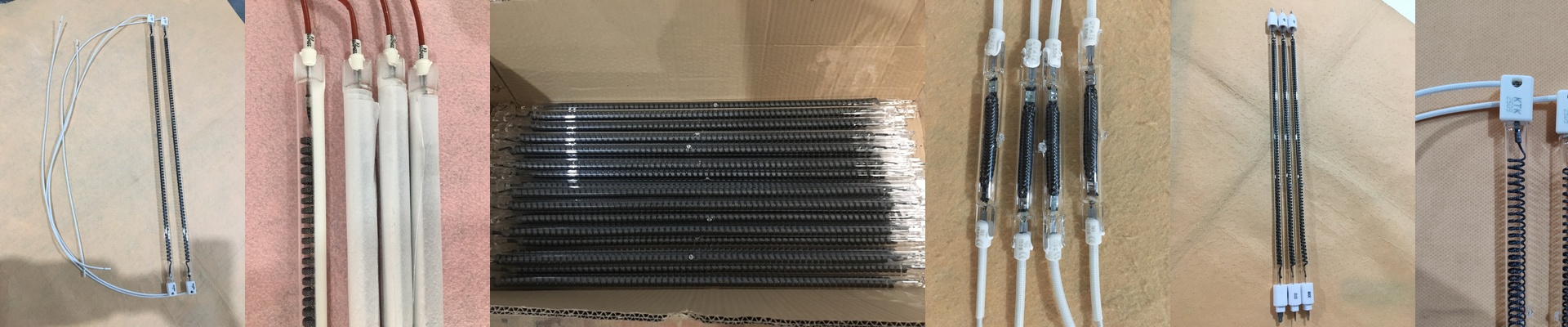
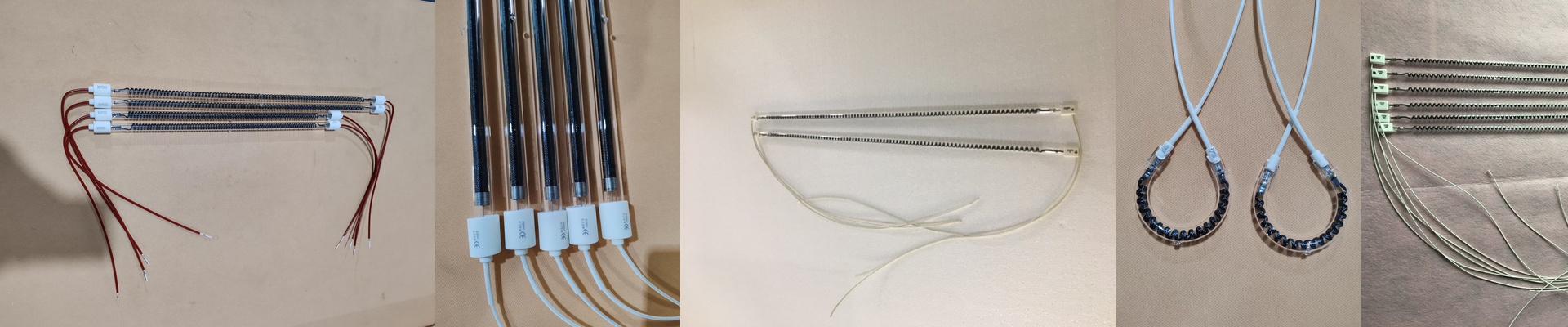
Let’s talk about Carbon Fiber Heating Elements
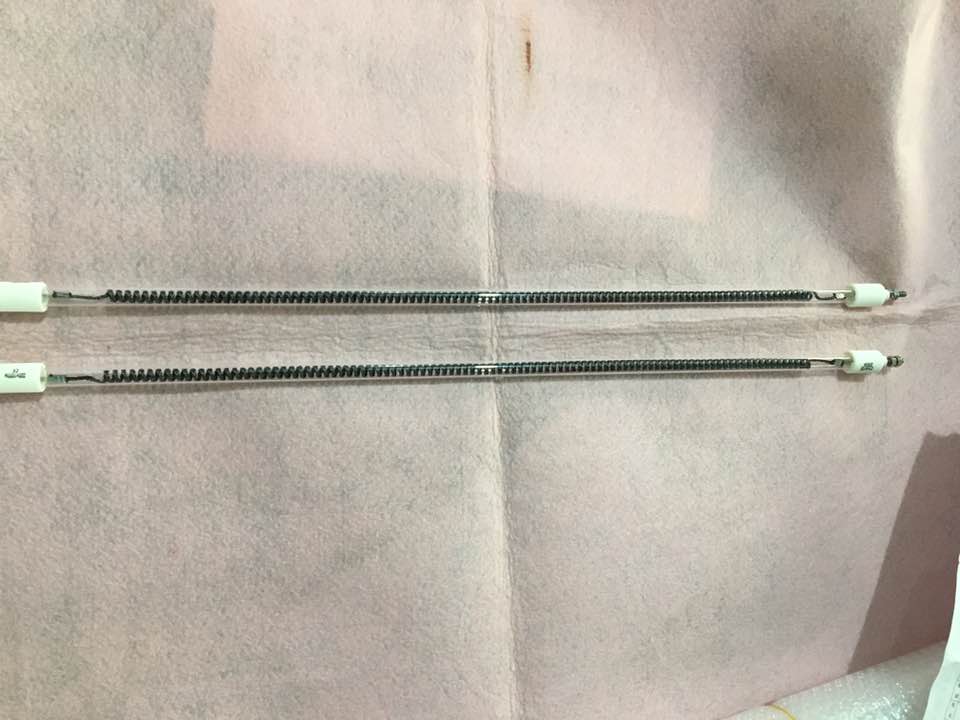
We’ve moved away from those old-school tungsten coils and started using carbon fiber filaments to get our medium-wave infrared (MWIR) radiation. Why? Because carbon fiber lets us spread the heat over a much wider area. It means you don’t have to worry about those annoying hot spots ruining your substrate. And the best part is that it’s direct radiation. It doesn’t waste time trying to heat up the air around it; it just sends the energy straight to the target. Getting the heat just right These emitters hit that sweet spot in the medium-wave spectrum. It’s a great balance. The heat sinks deeper into plastics and coatings than those short-wave lamps do, but it doesn’t just vanish into the distance like long-wave ceramics. You get a really solid, consistent soak. Just a heads-up: we design these for high wattage, so make sure your power supply can handle that initial kick when you flip the switch. If your wiring is too thin, those terminals are going to fry. Trust me on this one. What’s under the hood? Inside, we’ve got a carbon fiber weave tucked inside a high-purity quartz tube. We use quartz because it’s basically invisible to infrared energy—it just lets the heat slide right through. We also put a lot of thought into the end-caps and conductors so the carbon doesn’t oxidize and degrade. Plus, since carbon fiber doesn’t expand and contract nearly as much as metal, these tubes can take a real beating. You can cycle the temperature up and down rapidly and they won’t warp or snap like those fragile thin-wire filaments. Putting them to work If you’ve already got IR banks, these usually just drop right in. You can wire them in series or parallel, depending on what your voltage looks like. But here’s the thing: carbon fiber behaves differently than metal. As it gets hot, the resistance shifts. You’ll want a controller that can keep up with those changes if you want your temperature to stay rock-steady. One last tip—if you’re stuffing these into a tight enclosure and running them at full blast, don’t skimp on the cooling fans. You’ll need enough airflow to move that ambient heat out, or you might find yourself melting your own housing.