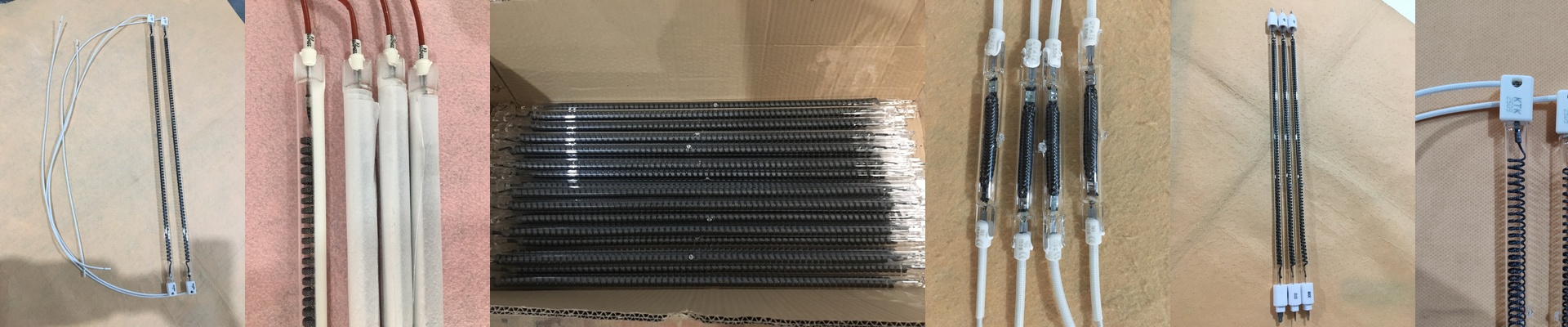
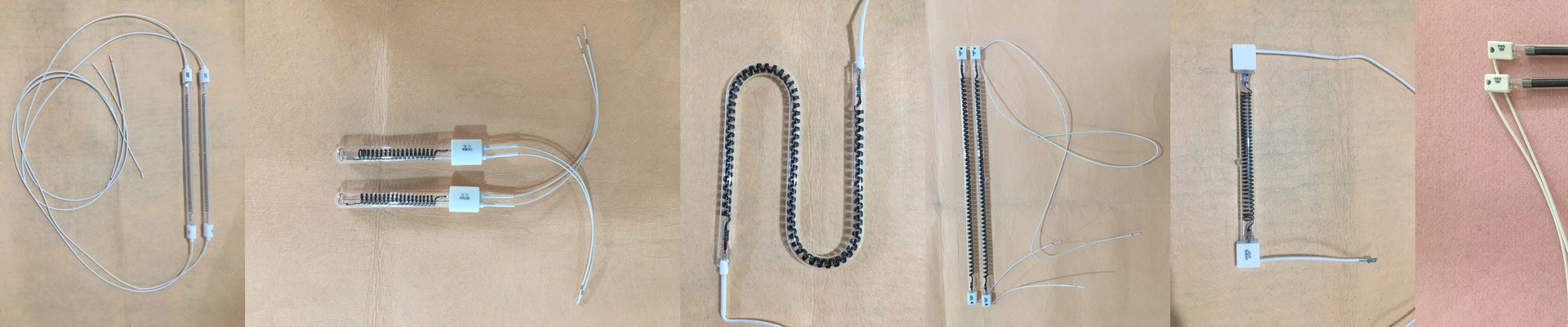
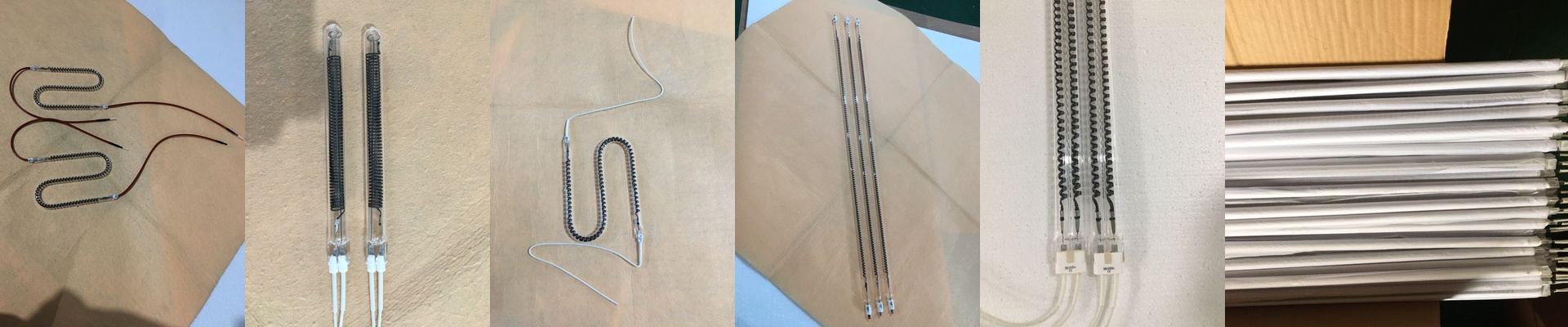
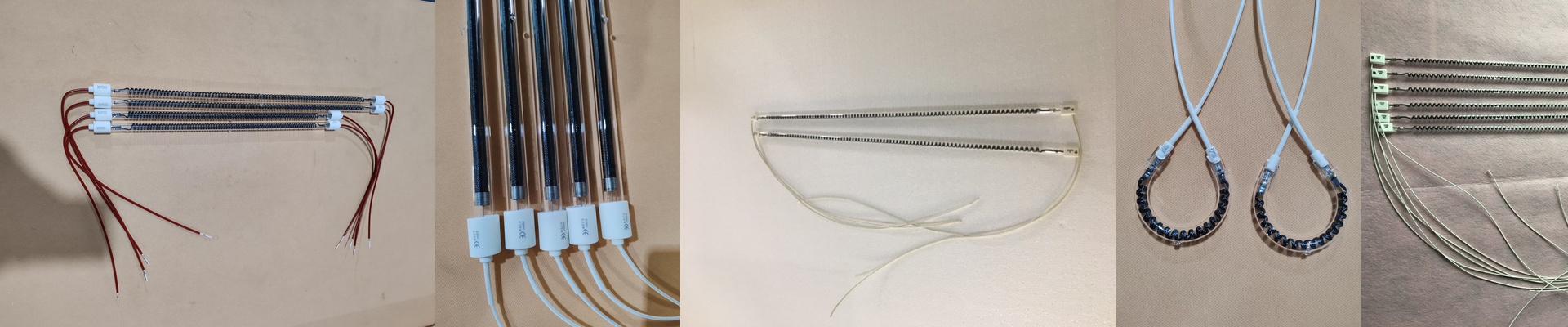
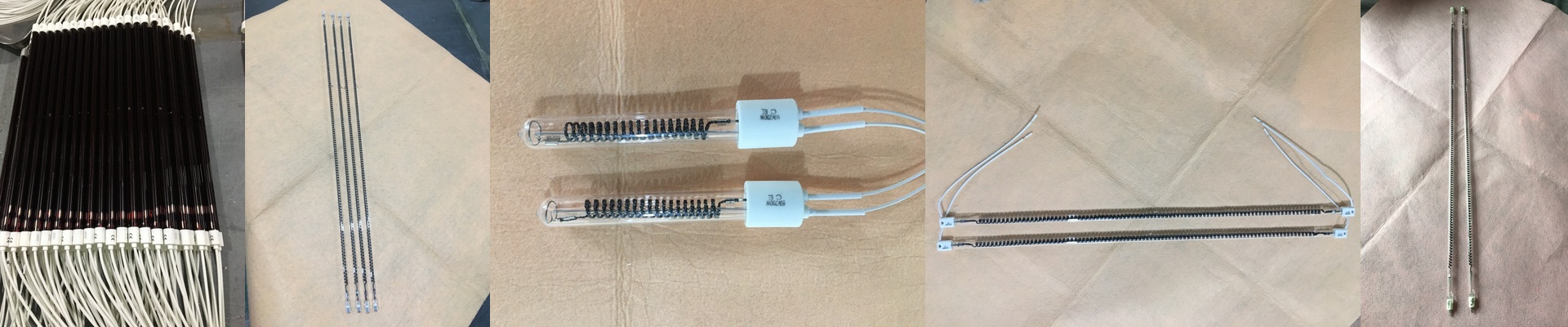
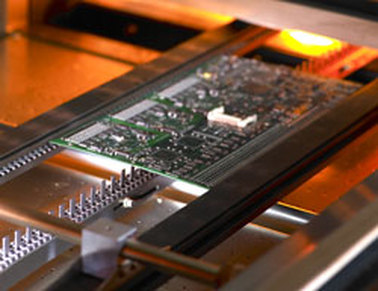
We’ve spent time in about 2,000 different SMT workshops, and we noticed something frustrating. There is a massive gap between what the spec sheet for an infrared lamp says and what actually happens on the production floor. Most off-the-shelf heaters just don’t cut it. They aren’t built for the actual weight of modern PCBs or the way air swirls around a moving conveyor. They look good on paper, but they fail in the real world. Let’s talk about heat density. If you want to stop solder paste slump, you need to ramp up the heat fast. That’s why we stick with shortwave IR emitters. They actually get deep into the board instead of just skimming the surface. To make that happen, we push the wattage density. It’s fast. Really fast. But there’s a catch. The more wattage you pack into every centimeter, the more sensitive the filament becomes. If your voltage jumps around, those lamps will burn out way too soon. So, do yourself a favor: use a stable power supply. It’ll save you a lot of headaches. Built for the chaos of the shop floor. We got tired of seeing fragile connectors snap or wiggle loose. In a shop full of vibrations, a loose connection means arcing and dead zones. Not a good look. Now, we use reinforced terminals that actually lock in place. We also use a specific coating on the quartz glass to tune the heat. The goal is to get the heat right onto the component leads and pads, rather than just scorching the top layer of the solder mask. Getting it to actually fit. A lamp is useless if it doesn’t fit your setup. We designed our heaters to be simple drop-in replacements. The length and the terminal spacing match your existing jigs exactly. No drilling new holes. No rewiring your control box. Just swap it and go. One quick tip, though. If you bump up the wattage to speed up your line, keep an eye on your exhaust fans. More power means more heat, and if your cooling ducts can’t keep up, you’ll end up overheating your conveyor bearings. Check your airflow first, then flip the switch.