Stop Guessing with Heat: The Secret to Faster Curing
When you’re curing electronics adhesives, most people just think about cranking up the heat. But here’s the thing: raw heat isn’t actually what does the heavy lifting. It’s all about spectral absorption. Think of it like a radio. If your lamp is broadcasting on one frequency but your glue is listening to another, they’re never going to connect. The energy just bounces off or sails right through the material. You end up wasting power heating up your conveyor belt or the PCB itself, while the glue just sits there.
It’s all in the “Fingerprint”
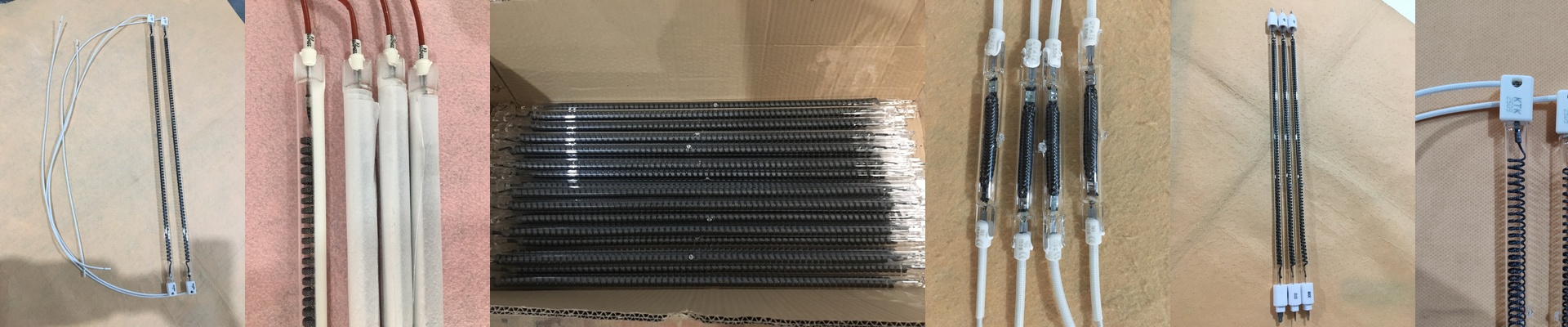
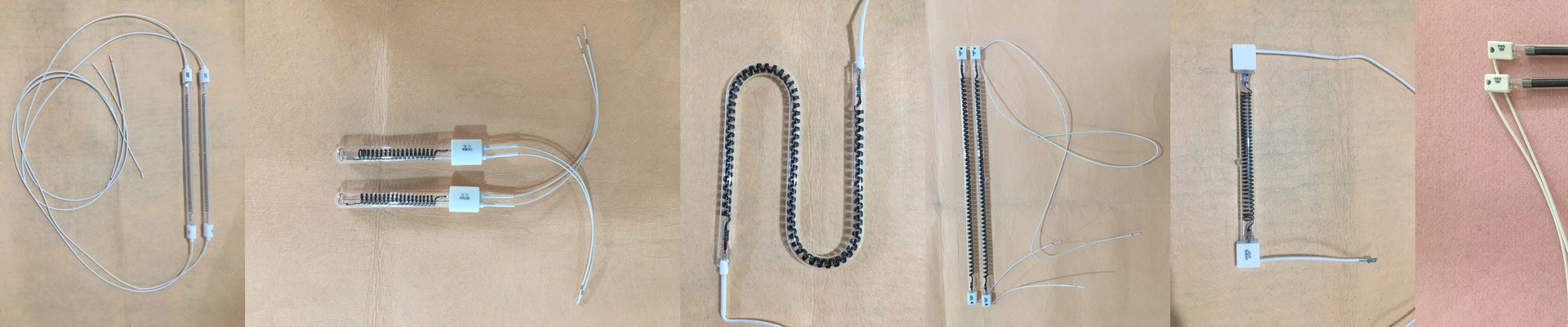
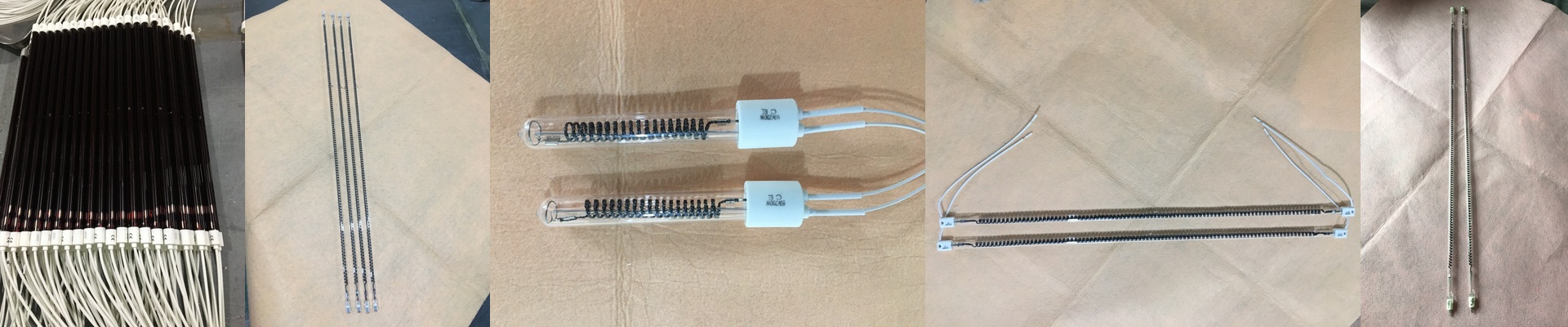
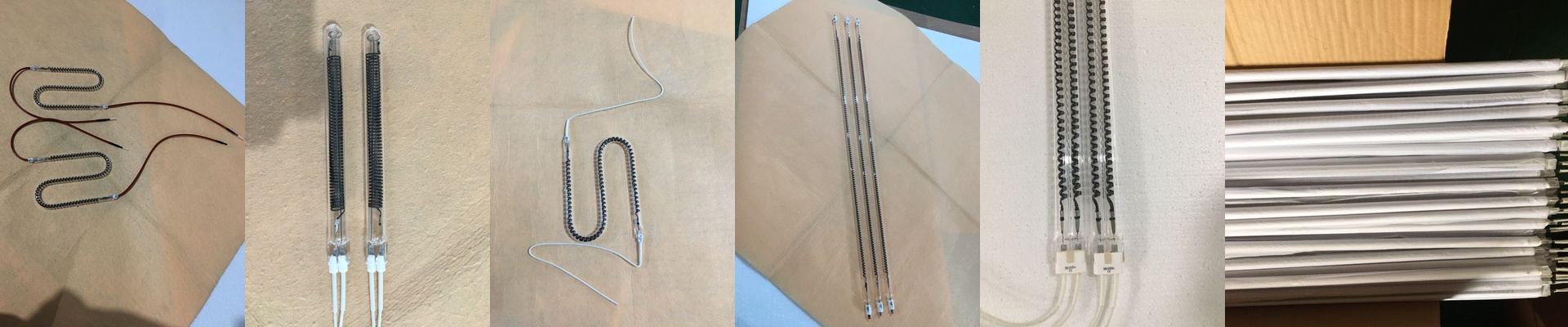
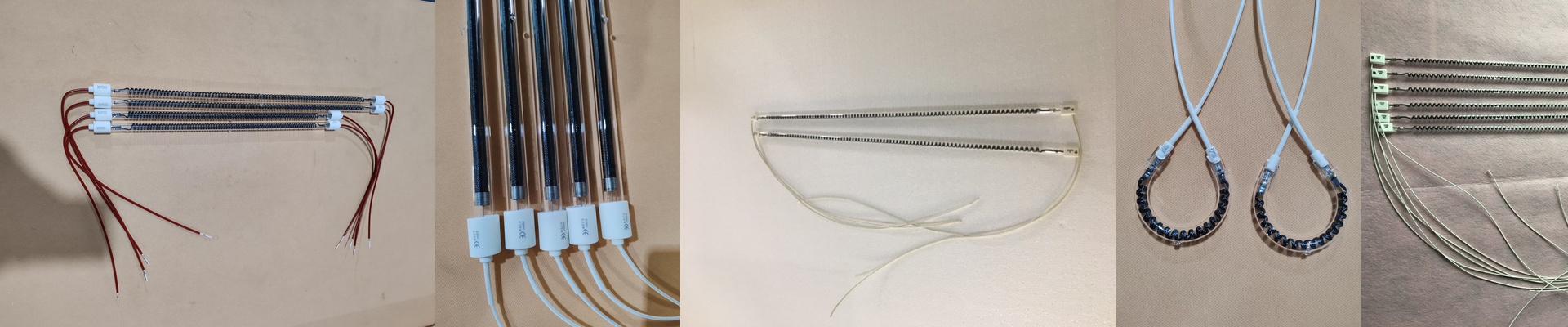
Every adhesive has its own unique absorption fingerprint. Most of the glues we use in electronics respond to specific bands in the Mid-Wave (MWIR) or Short-Wave (SWIR) spectrum. That’s why we’re picky about the emitter materials—usually quartz or certain ceramics. We want the lamp’s peak to hit the glue’s peak exactly. When that happens, the molecules start vibrating like crazy, turning that radiant energy into heat right inside the glue layer. It’s a night-and-day difference. You can take a curing cycle that used to take minutes and knock it down to seconds. If you’re just using a generic heater, you’re basically throwing wattage into the wind.
The Balancing Act
Now, you might think, “Great, let’s just blast it with high-intensity IR.” But there’s a catch. If you go too hard too fast, you get “skinning.” That’s when the top layer cures instantly and traps solvents underneath. It’s a mess. You have to tune the wavelength and the power density just right so the heat actually reaches the bottom of the bond.
Doing it the Smart Way
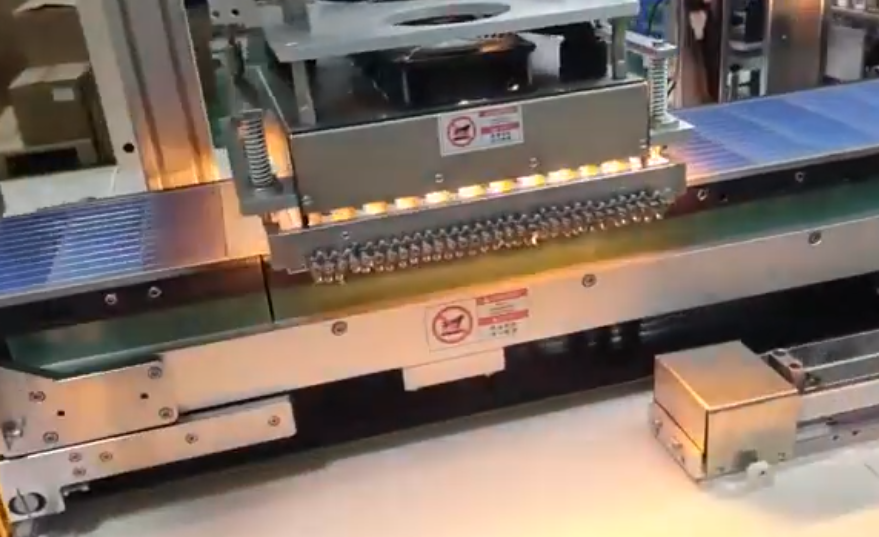
When we look at making a line more sustainable, we start by looking at the waste. A mismatched lamp is a silent killer for your budget. It forces you to run the oven longer, which spikes your electric bill and risks frying those sensitive SMD components. By getting the wavelength right, you use less power to get the same strong bond. Your line moves faster, your costs go down, and you aren’t leaving a massive carbon footprint just to dry some glue. It’s just a cleaner way to work.