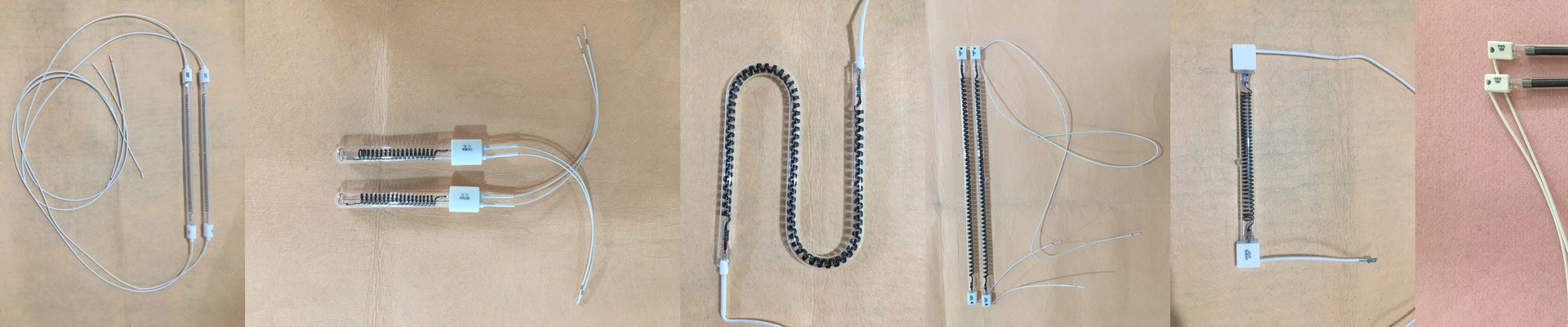
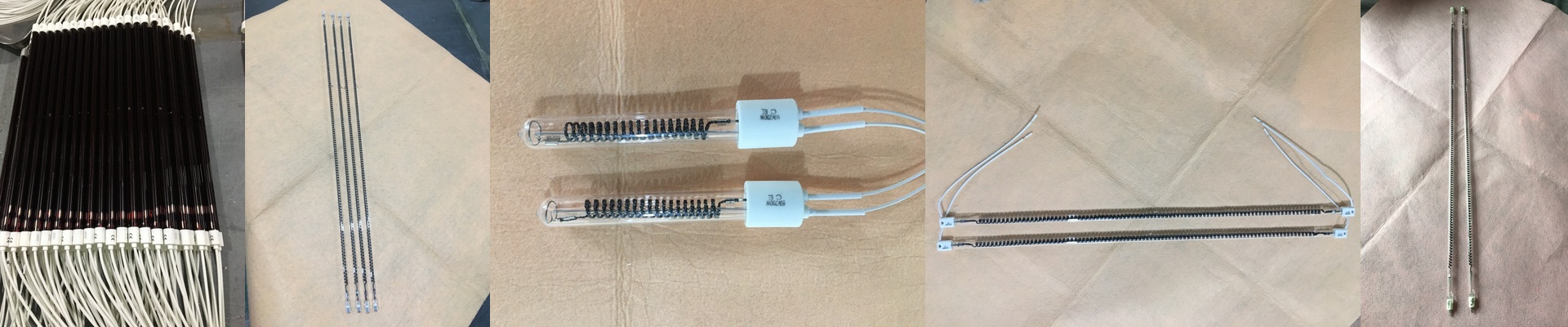
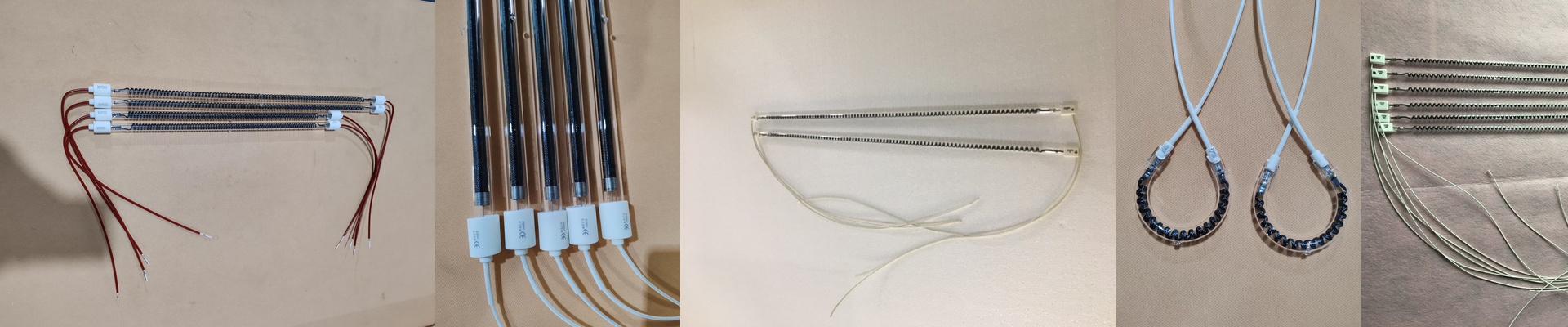
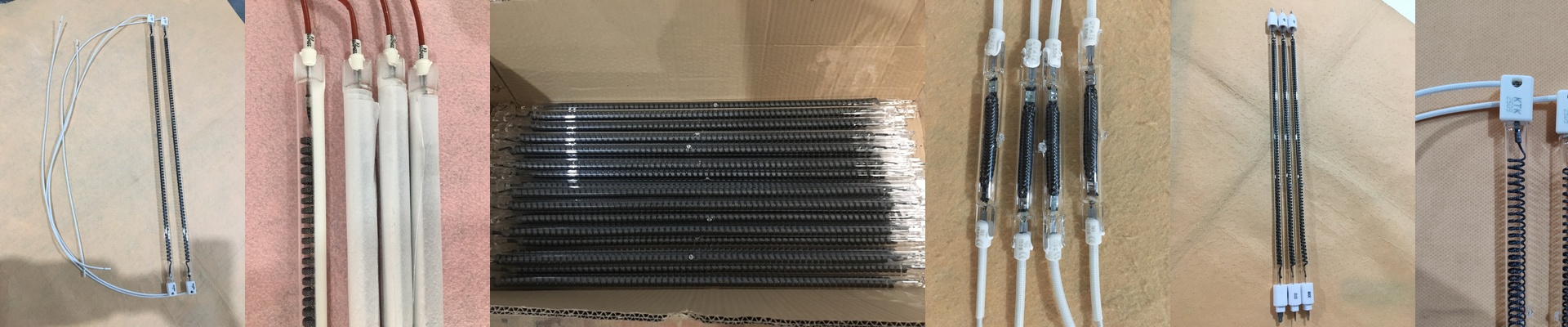
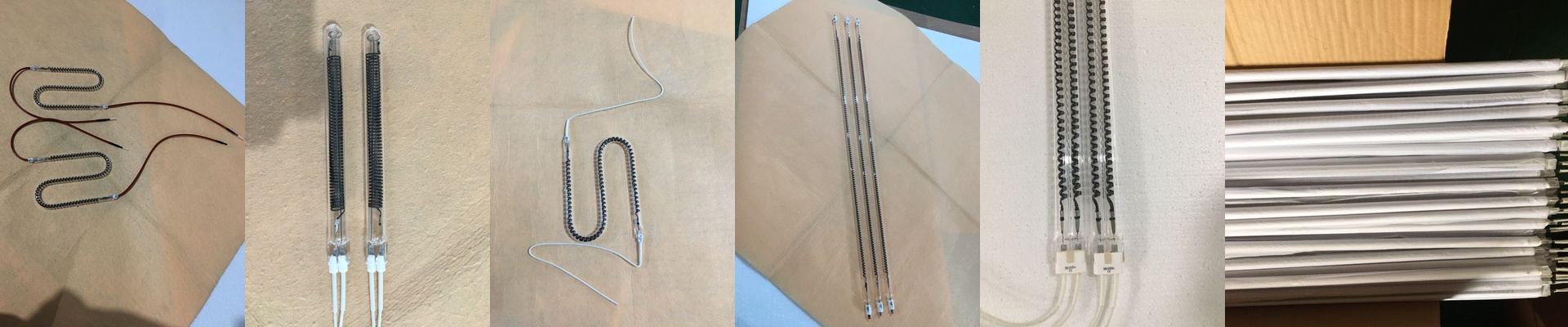
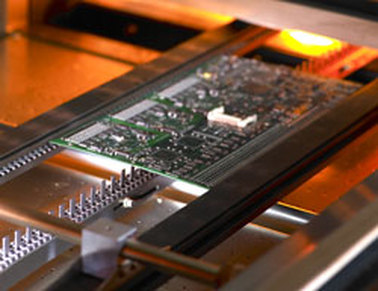
When you’re putting together high-precision electronics, heat isn’t just a tool—it’s a risk. If you’re off by a hair during reflow or curing, you’ve got a problem. That’s why we lean on shortwave infrared (IR). It lets the heat soak right into the board substrate without frying the components sitting on top. How the heating actually works Think about a convection oven. It heats the air, and the air heats the food. IR is different. It shoots energy straight at the target. We tune these systems to hit very specific thermal profiles. You play with the wattage and voltage to dial in the heat density. If you’re working with lead-free solders, you need a fast ramp-up, so you’ll want a higher voltage setup. But be careful. If you crank the wattage too high and don’t speed up the conveyor, your boards will warp. And nobody wants a curved circuit board. The gear inside We use high-purity quartz for our lamps because the thermal shock is brutal. Some of our tubes have special coatings that shift the emission spectrum. This is key because it makes sure the solder paste and components actually absorb the energy instead of just letting it bounce off the board. We also stick to standard connectors like R7s or Sk15. Why? Because when a tube burns out, you don’t want to spend an hour rewiring a rack. You just pop the old one out, drop the new one in, and you’re back in business in a few minutes. Getting it right on the floor Here is a pro tip: make sure your lamp length matches your board footprint. If the lamp is too short, you’ll get cold spots on the edges of your PCB, and those areas won’t hit the soak temperature they need. Also, keep in mind that these high-output arrays gethot. Really hot. If you don’t get your exhaust fans and cooling manifolds sorted, that heat builds up inside the chassis and kills your lamps early. Get the airflow right, and the whole system just hums along for thousands of cycles. Simple as that.