Stop Wasting Your Heat: The Secret is in the Shape
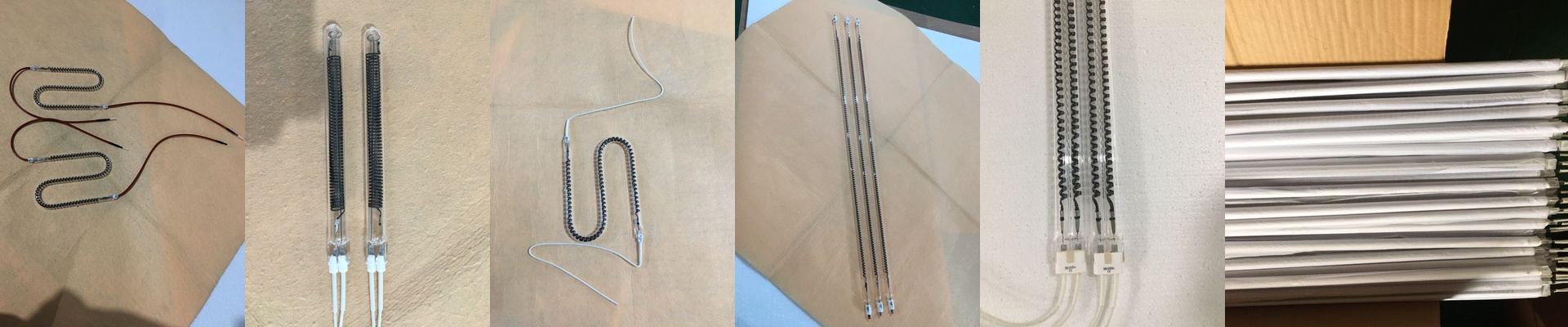
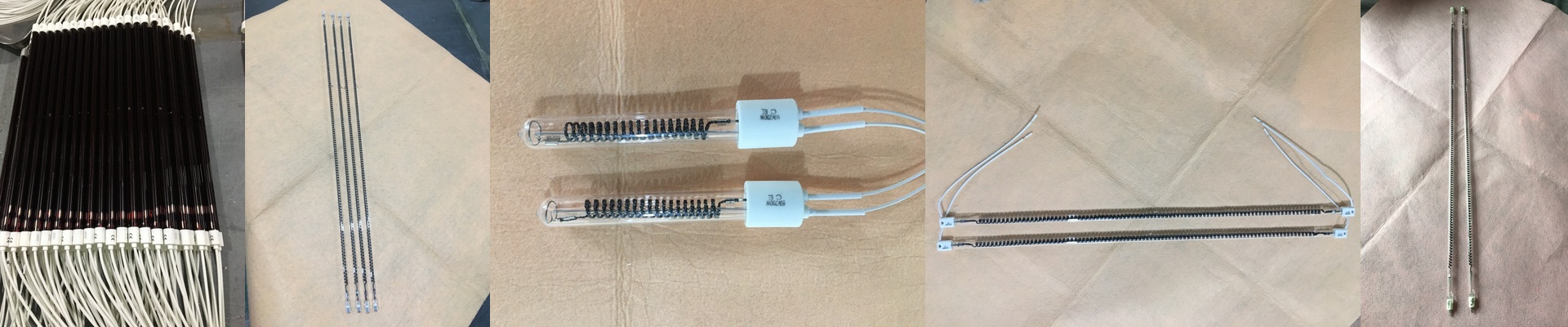
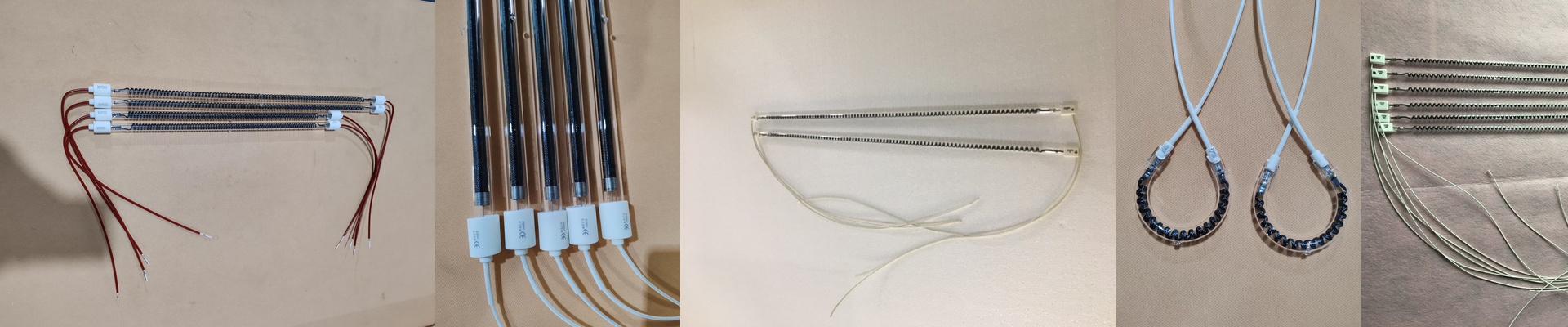
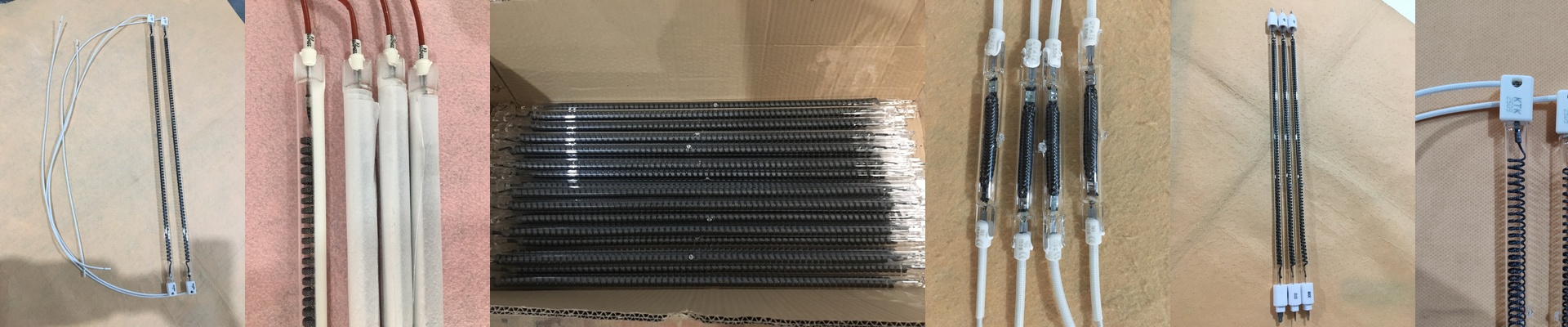
In the world of electronics manufacturing, wasting infrared energy is basically just throwing money away. Most of the time, heat bleeds right into the machine chassis where it does absolutely nothing. We’ve found that the real trick is focusing on the geometry—how the heating element and the reflector actually sit together. The goal is simple: push every single photon toward the workpiece. When you do that, you get way more heat on the surface without having to crank up the power and stress your system.
Getting the Beam Right
A lot of people use standard parabolic reflectors, but there’s a catch. If your lamp is even a tiny bit off-center, the energy just scatters. It’s messy. We spend a lot of time on the focal point calculations to tighten that beam. By tweaking the curve and the depth of the reflector, you can cram all that heat flux onto a smaller area. The result? Your parts heat up faster. If the geometry is off, you end up with “cold spots” or, worse, you accidentally bake the edges of your conveyor. We map out the radiation patterns so the heat hits the substrate evenly across the board. No surprises.
Gold vs. Aluminum: What Actually Works?
Your reflector has to take a beating from high heat without warping. Usually, that means choosing between gold-coated or high-polished aluminum. Gold is the gold standard here—literally. It reflects infrared light incredibly well, which means the reflector itself doesn’t soak up the heat. It keeps the whole machine running cooler. But, let’s be real: gold is expensive. Polished aluminum is the go-to for most mid-range setups. It works fine, but it doesn’t last as long because it tends to oxidize over time.
The Trade-off
Here is the tricky part. When you tighten the optical path to get that intense heat, your working distance shrinks. If your part height varies by just a few millimeters, you might miss the focal point entirely. Suddenly, your efficiency just tanks. That’s why your mounting brackets have to be rock solid. Zero movement. Because if that lamp shifts even a fraction, you’re back to wasting energy.