Getting Your Smart Meter PCB Curing Right (Without the Guesswork)
Curing potting compound or solder masks on smart meter PCBs is a bit of a balancing act. You need the heat to be perfectly even. If you hit a cold spot? The resin stays gooey and won’t cure. But if you crank the heat too high in one area, you’re basically frying your components. It’s a headache. That’s why we use digital twin simulations. Basically, we map out exactly where your IR lamps need to go so you don’t end up with a pile of scrap.
Stop Guessing on the Shop Floor
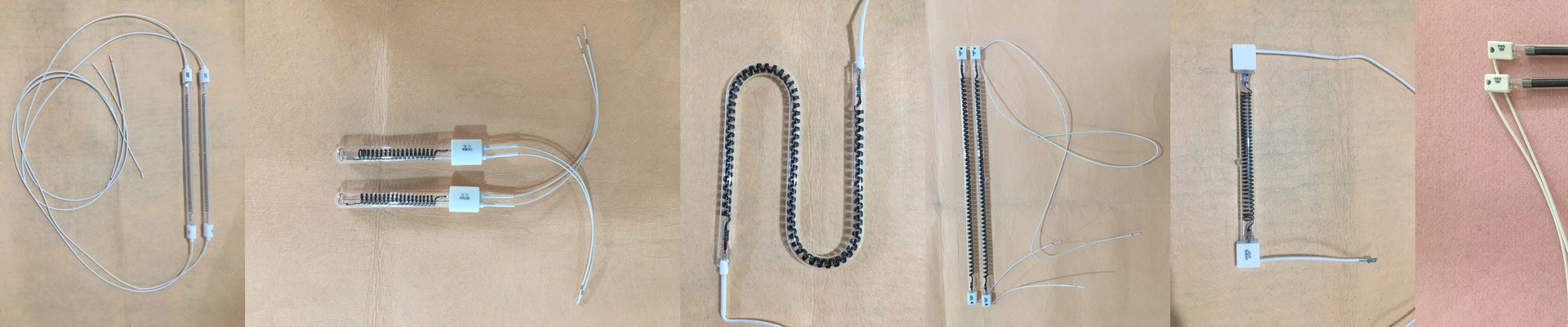
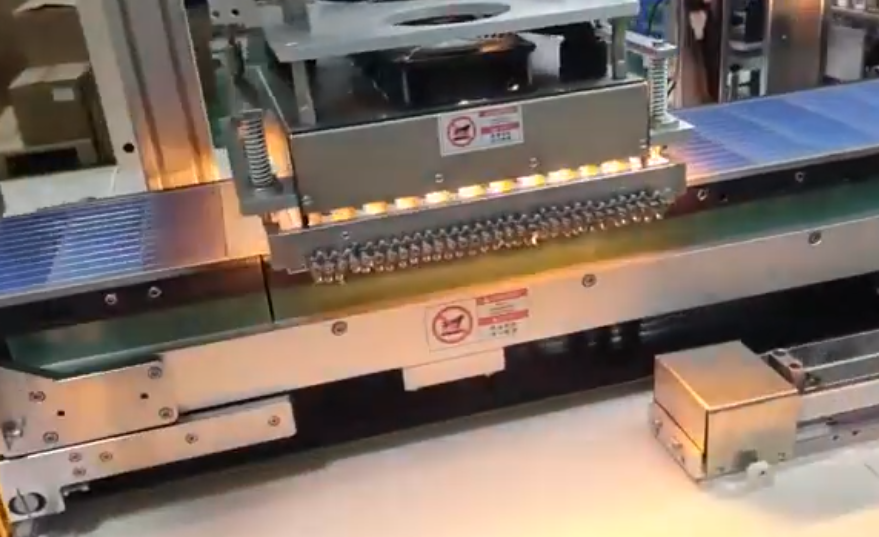
Most people just try things out on the floor until it works. That’s a waste of time, and it kills your lamps. Instead, we build a digital replica of your oven and the board. We run the math to see exactly how the heat hits the surface. This means we can tell you how many lamps you need and exactly where to place them before you even touch a wire. We can even tweak the angles of the lamps to make sure those tall components on the board aren’t casting “shadows” that leave parts of the PCB under-cured.
The Battle with Heat Density
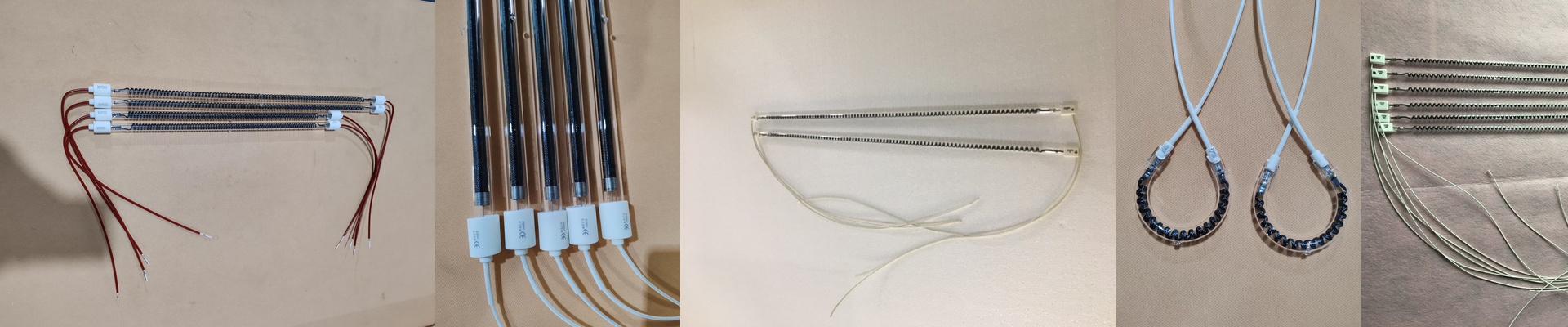
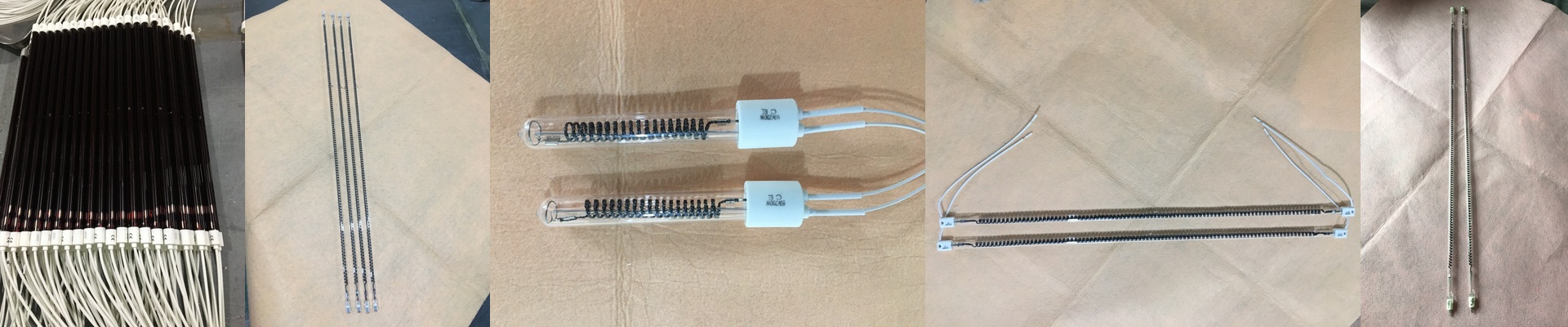
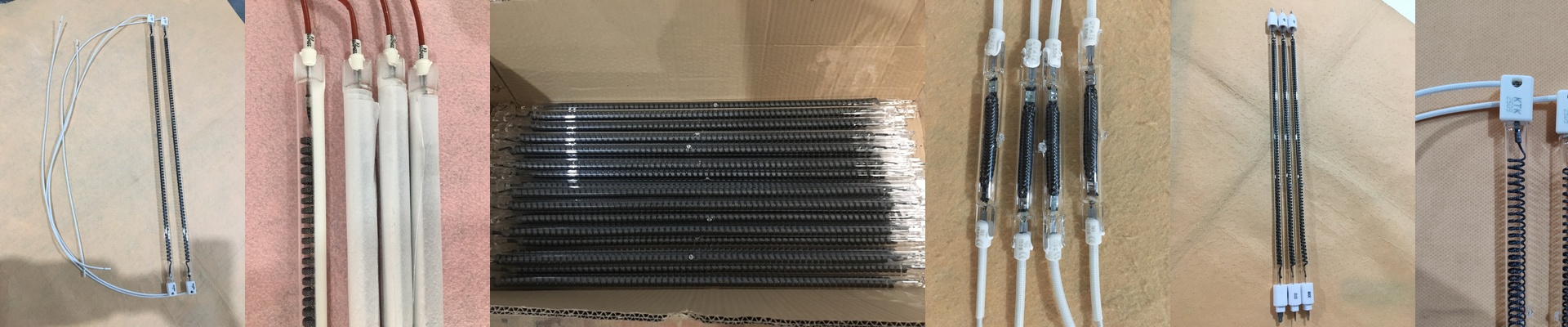
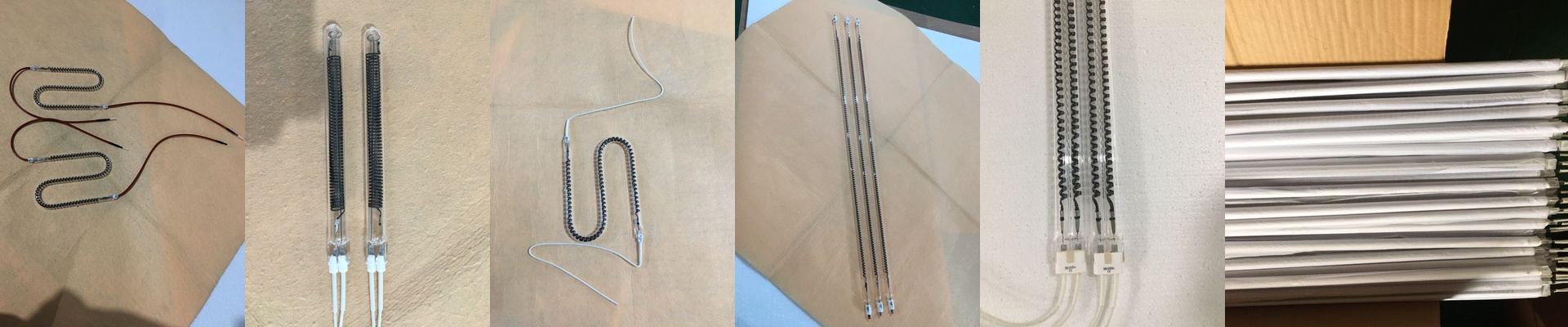
Smart meters are tiny, which makes things tricky. High-wattage quartz lamps are great for speed, but they pack a massive punch. Here’s the problem: if you push the wattage too high to speed up your line, the edges of the board usually overheat while the center is still lagging behind. It’s frustrating. By simulating the heat, we can mix and match—maybe using lower-wattage lamps on the edges—to flatten everything out. You get a consistent bake across the whole board.
The Reality Check
Now, look—simulation gets you about 95% of the way there. It’s not magic. You still have to deal with the messy stuff, like how heat bounces off the oven walls or how a random draft in the room affects things. Even with a perfect digital model, you still need a cooling system that can handle the waste heat. If the oven internals get too hot, your settings will drift, and suddenly your simulation doesn’t match reality. It’s all about balancing the digital plan with the actual hardware.