Stop Using a Sledgehammer for Quantum Chips
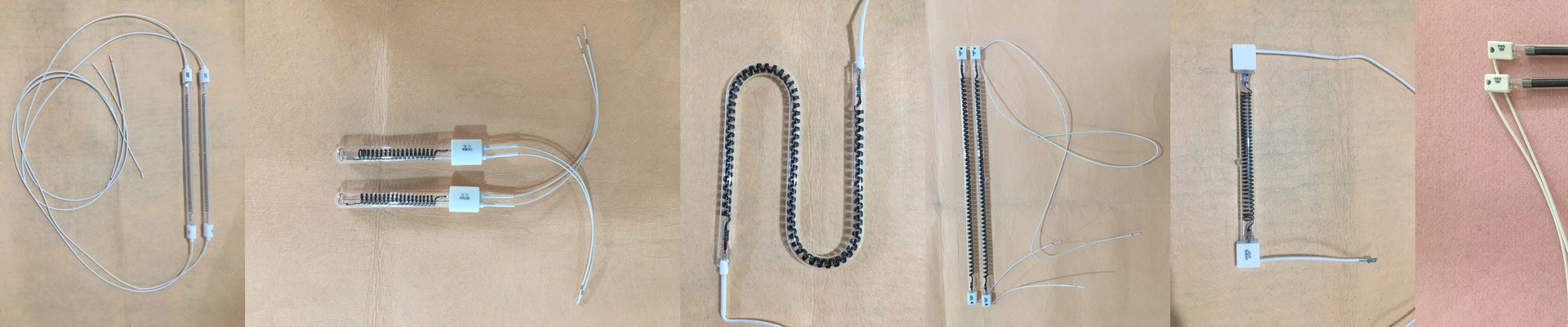
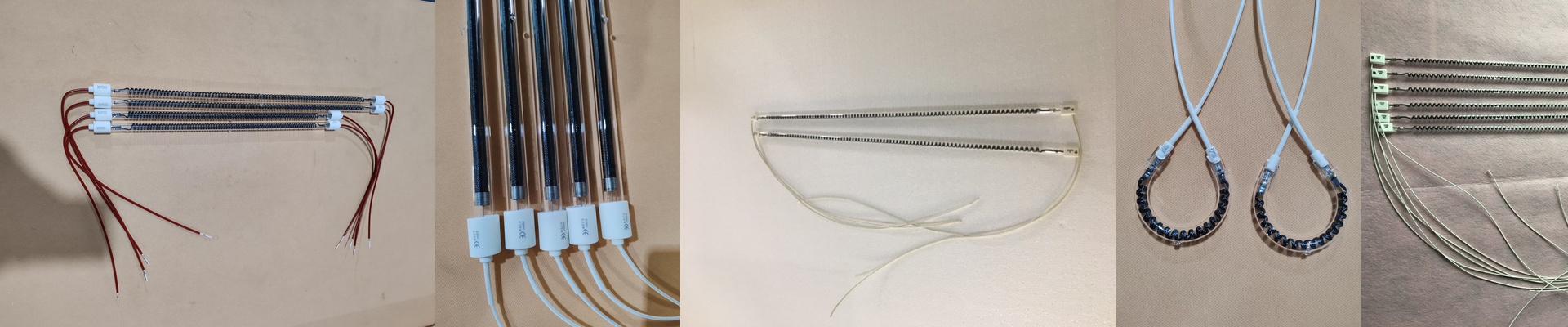
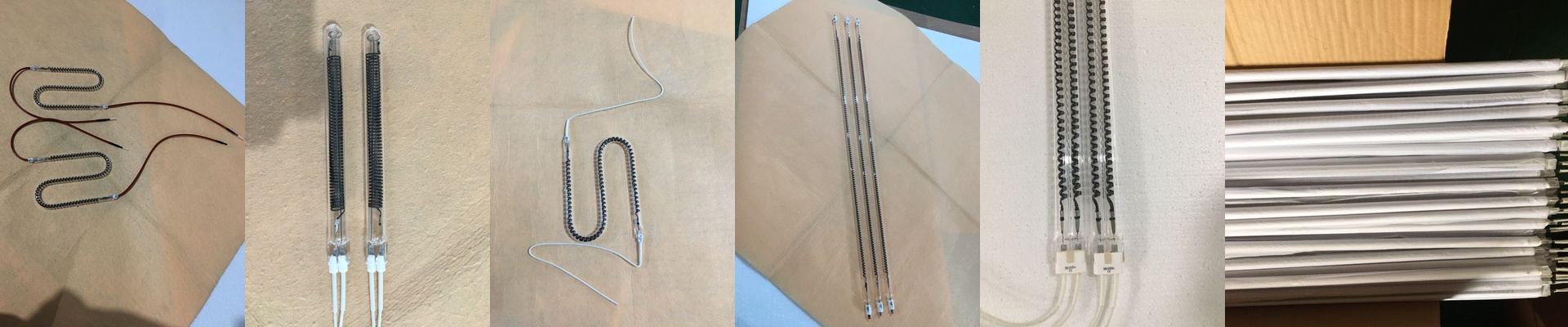
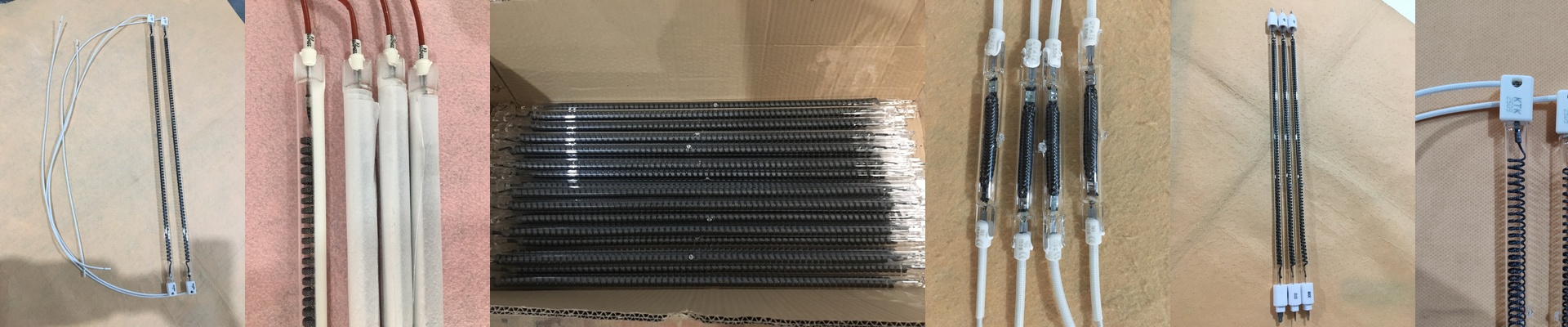
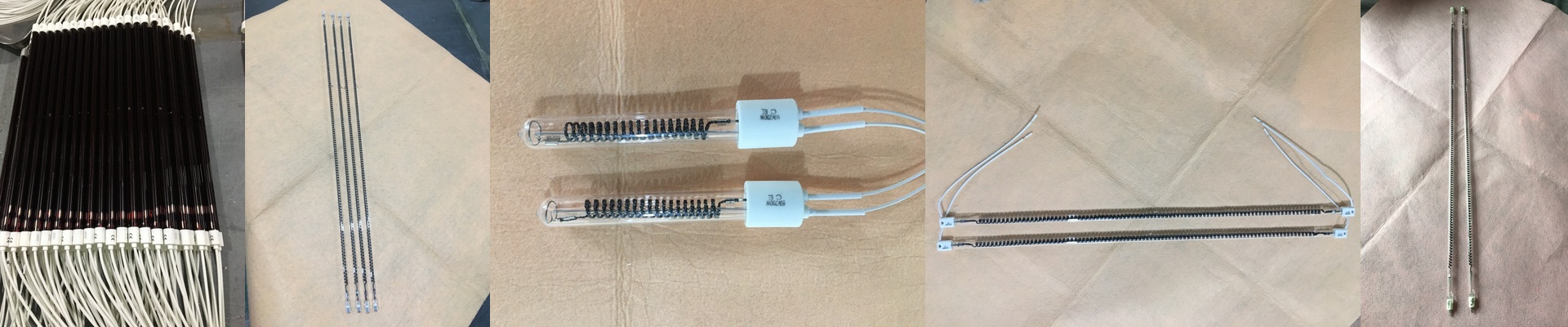
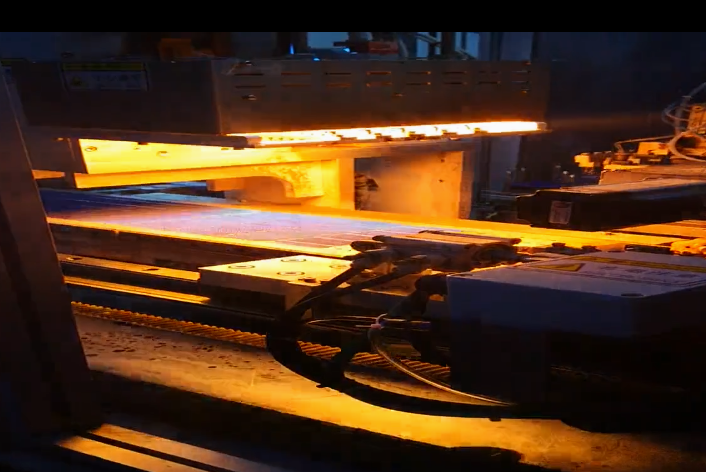
If you’re used to standard PCB assembly, you know the drill. But moving into quantum chip manufacturing? That’s a whole different ballgame. You can’t just blast the board with heat and hope for the best. That’s how you ruin a substrate. Instead, we’ve been using digital infrared (IR) heating stations. Think of it as a surgical strike rather than a carpet bomb. You get the energy exactly where it needs to go without scorching everything else. Getting the temperature just right Quantum fabrication is picky. Like, really picky. We use short-wave IR emitters because they don’t waste time heating up the air around the chip—they go straight for the component. This keeps things stable. When you’re picking out a station, look for fast ramp-ups and an instant shut-off. If your PID controller is off by even a millisecond? Your substrate warps. And that’s a bad day at the office. The physics (without the headache) To keep the IR spectrum steady, we wrap everything in high-purity quartz. We also use coated emitters to tweak the wavelength. This lets us focus the heat on the solder paste or the chip interface while the sensitive plastic housings just… stay cool. Most of these systems plug right into a digital interface, so you can watch the heat in real-time. But here’s the catch: power density. High-wattage IR lamps get incredibly hot in a small space. If your ventilation is weak or your heat-sinking is an afterthought, that heat will soak right back into the chassis. Once your baseline temperature starts drifting, you’re in trouble. Making it work in the real world The best part is that these stations basically drop right into the spot where your old convection ovens used to sit. Great for low-volume, high-precision work. We wire them for speed. By tweaking the duty cycle of the lamps, you can build a thermal profile that actually fits the materials you’re working with. It’s all about a delicate balance—matching the IR intensity to the thermal mass of the chip carrier so you don’t overshoot the temp during reflow. It takes a bit of finesse, but it works.