Putting Automotive Electronics Through the Wringer
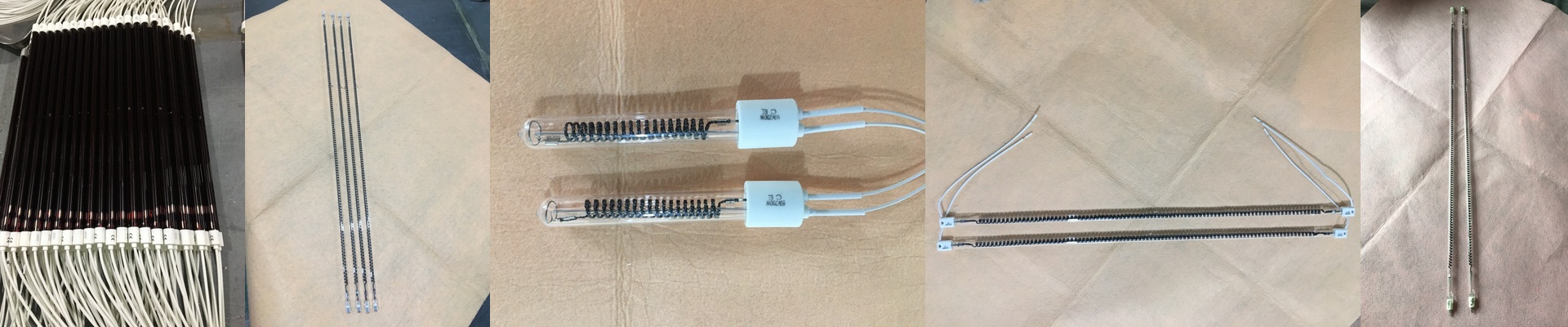
Engine bays are brutal. Between the engine heat and the outside weather, your PCBs and ECUs take a beating. If you want to be sure a board isn’t going to quit on a driver in the middle of a heatwave, you can’t just “hope” it works. You need a heat source that hits the mark fast and stays there. That’s where our custom shortwave IR lamps come in.
Why IR Beats a Standard Oven
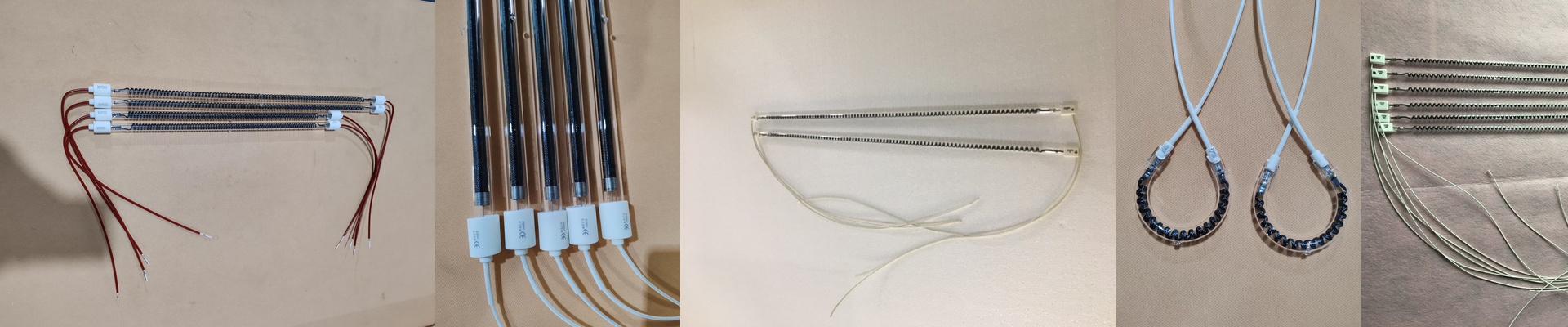
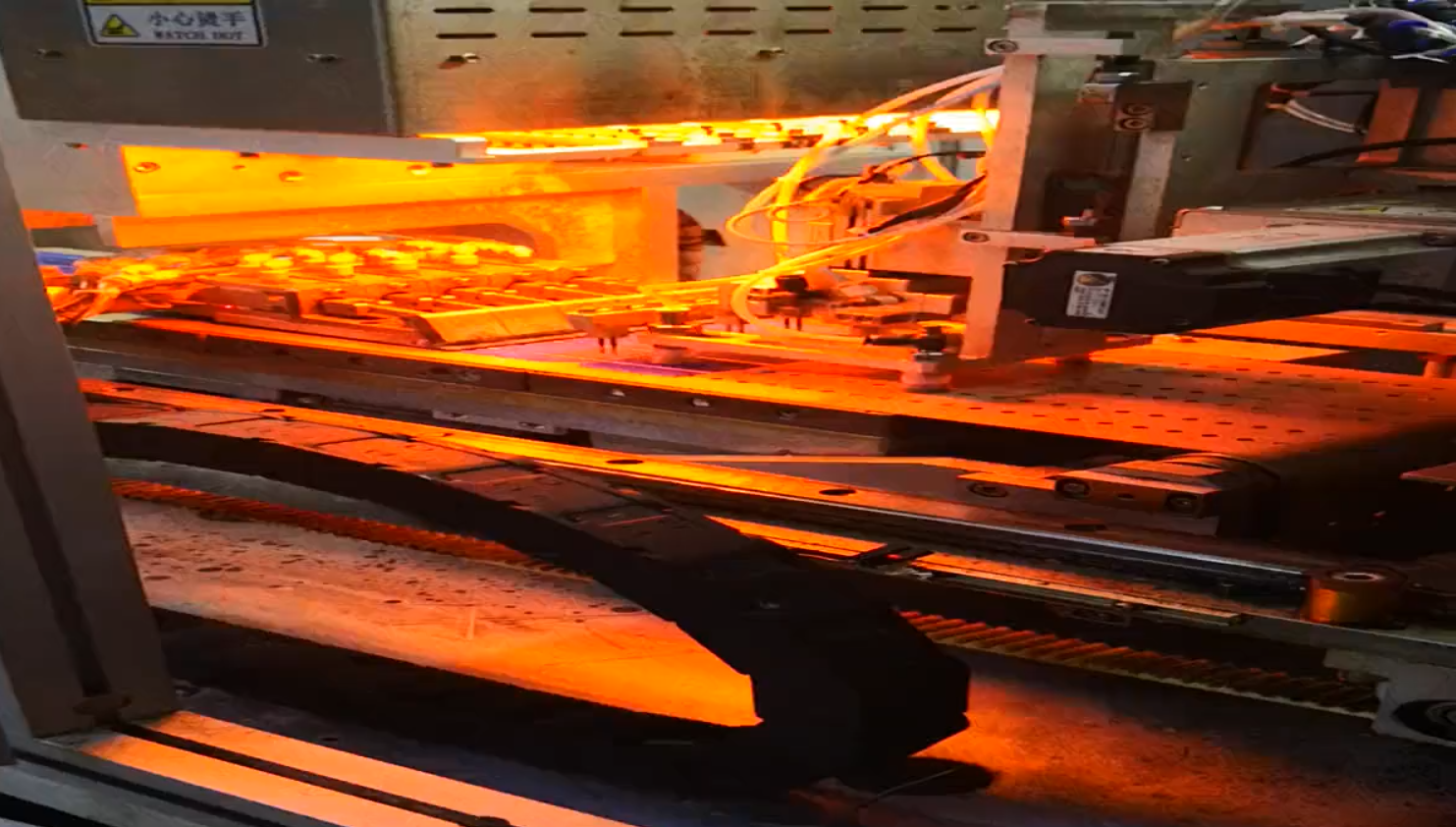
Here is the thing about convection ovens: they heat the air. That takes forever. Our IR lamps are different. They use high-wattage quartz halogen elements to beam energy directly onto the surface of your component. It’s immediate. When you use a high-density lamp, the ramp-up is incredibly fast. That’s exactly what you want. It puts those solder joints and capacitors under instant stress, which is the only way to find the hidden defects that a slow-heating chamber would just breeze right past.
Hardware That Actually Fits Your Setup
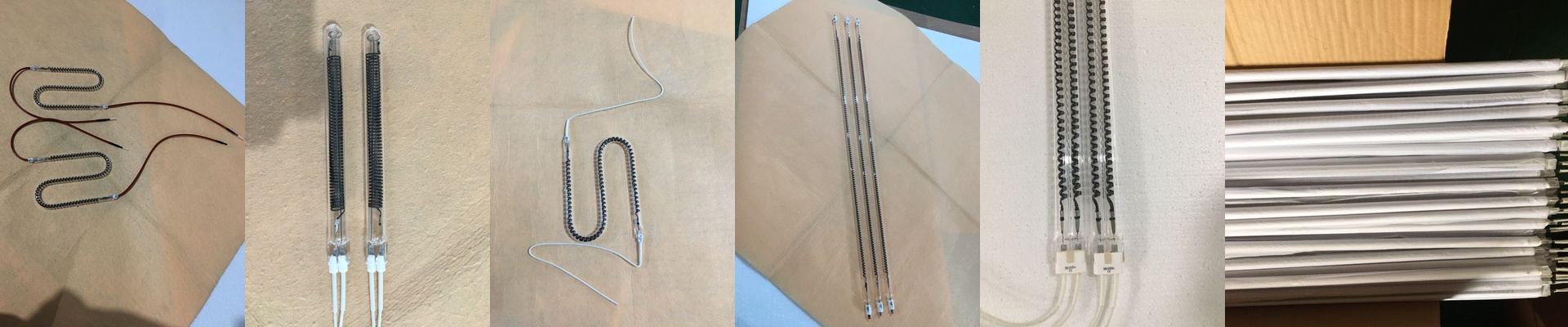
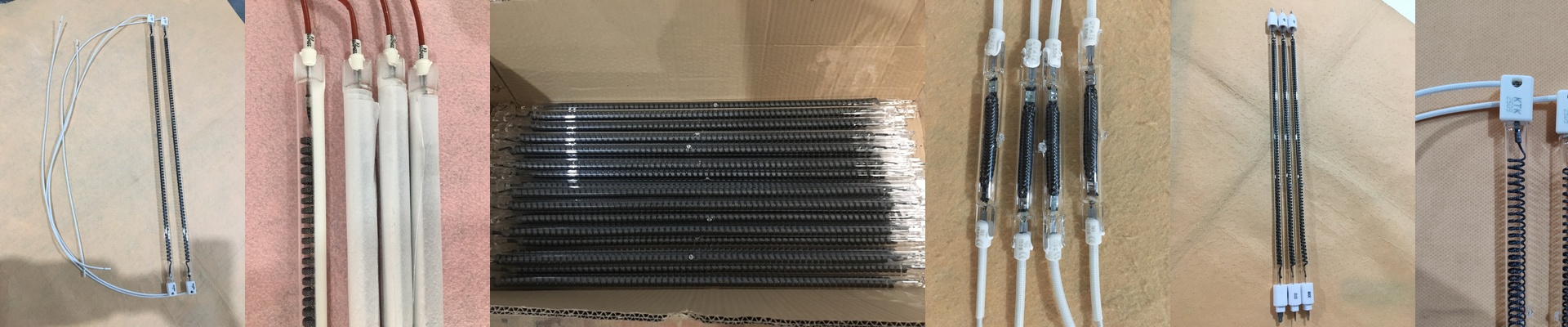
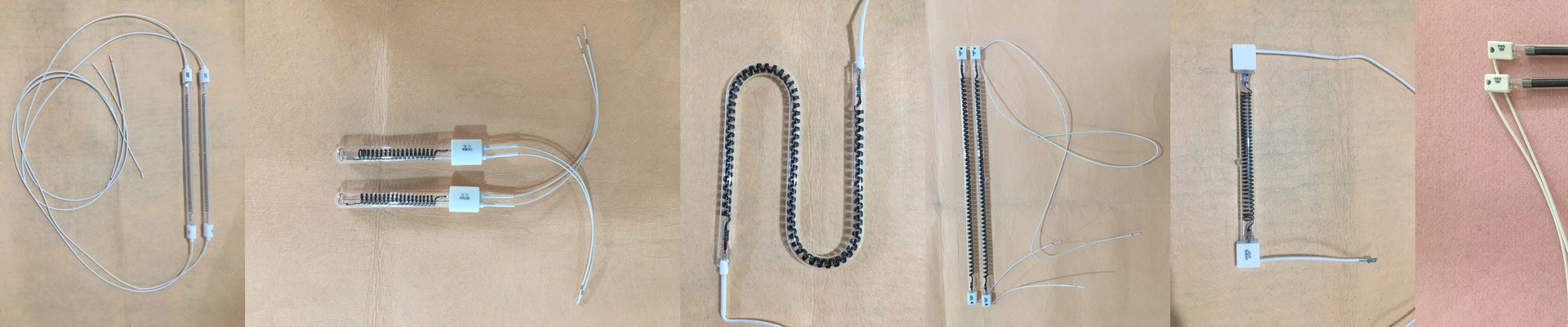
We don’t do “one size fits all.” We build these tubes to fit your specific footprint. Need a weird length? A specific voltage to match your power supply? Just let us know. We can tweak the filament length and diameter to hit the wattage you’re looking for. Plus, we stick to standard R7s or SK15 connectors, so you aren’t pulling your hair out trying to wire them up. And if you’re worried about heat bleeding into the rest of your rig, we’ve got you covered with coated quartz. It focuses the heat right where it needs to be, which keeps your sensors from giving you wonky readings.
A Few Things to Keep in Mind
Now, all that power comes with a catch. If you’re pushing a short tube to 2000W+, the heat flux is intense. Really intense. Make sure your fixture materials can handle it, or you’re going to end up with warped mounting brackets. Also, keep a close eye on your PID controller. You’ll want to tune it carefully so you don’t overshoot your target and accidentally fry the very device you’re trying to test.