Why we stopped using hot air for BGA repair
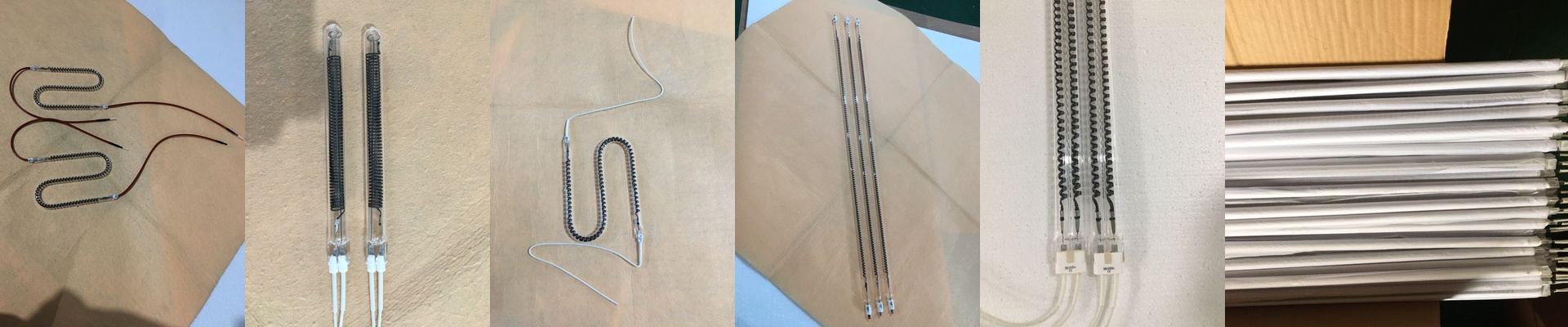
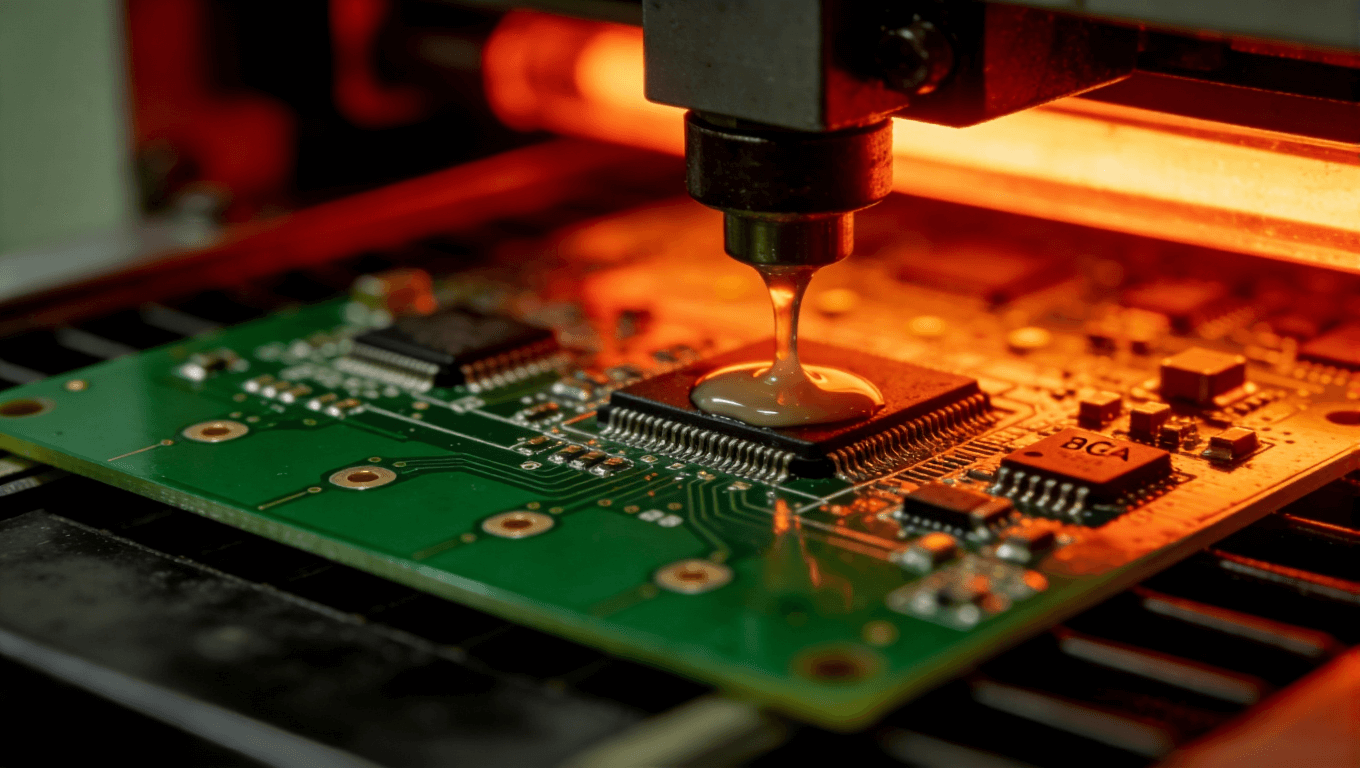
If you’ve ever tried to pull a BGA chip off a Smart lock PCB, you know it’s a total nightmare. It feels like a fight. Most guys just grab a hot air gun and hope for the best, but we do things differently. We use infrared (IR) lamps. Here is why.
The problem with blowing hot air
Think about how a hot air gun works. You’re basically just blowing hot wind at the top of the chip. You’re praying that the heat eventually soaks down through the plastic and silicon to actually melt the solder balls underneath. The catch? The chip itself acts like a shield. It blocks the air. Too often, you end up scorching the top of the component—or worse, melting the surrounding plastic—before the solder joints even get close to melting. It’s frustrating and risky.
How IR actually works
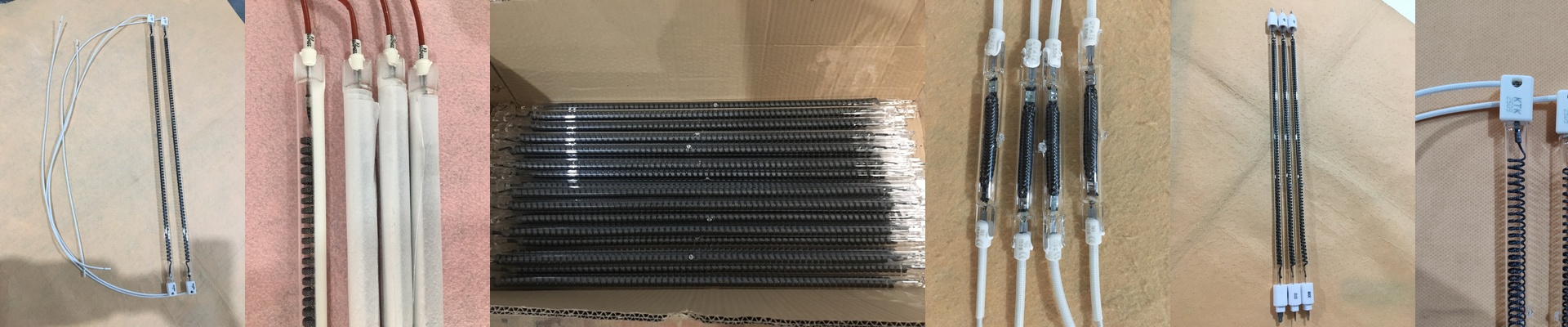
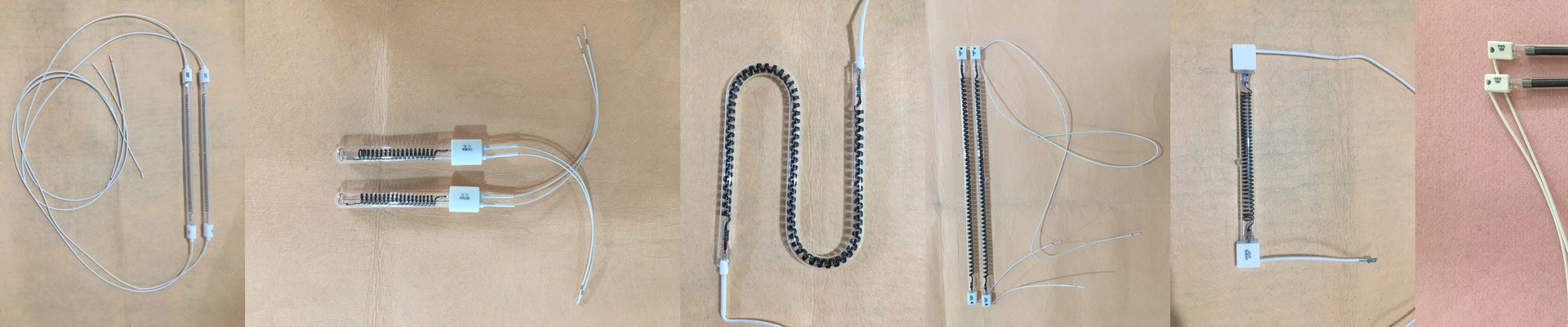
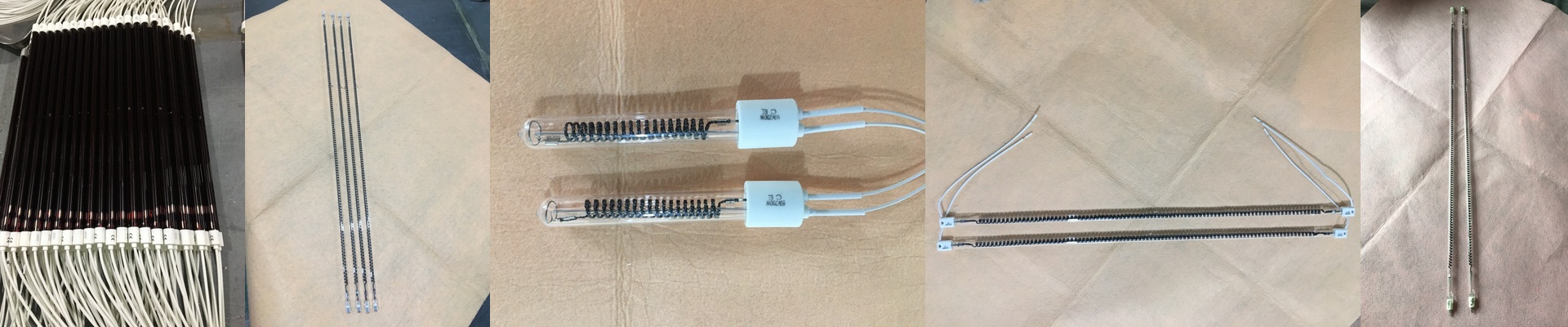
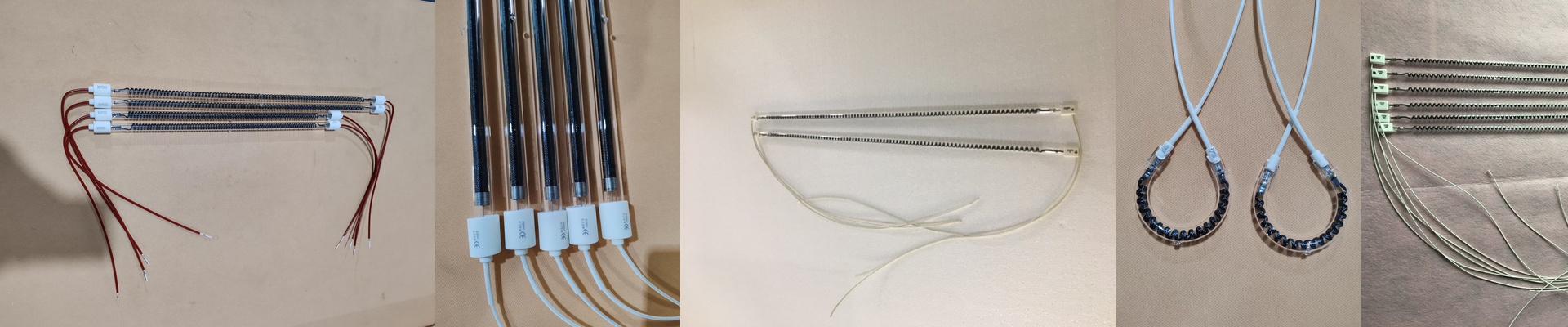
IR is a different beast. Instead of pushing heat onto the surface, IR lamps send out waves that go through the component. It’s almost like a microwave for your PCB. The energy hits the molecules inside the assembly and gets them vibrating. Instead of waiting for the heat to trickle down from the top, the heat is basically born inside the material. And it’s fast. Really fast. Because of the way the physics work, once those lamps hit the right wavelength, the energy transfer is aggressive. You hit your reflow temperature way quicker than you ever would with a blower. Plus, we’ve tuned these lamps to target the specific “sweet spot” of the solder and the board. That means the heat goes exactly where it’s needed—the joints—and leaves the rest of the smart lock casing alone.
The catch
Now, look, it isn’t a “set it and forget it” kind of tool. Since the heat is so direct, it’s easy to go overboard. If your controller isn’t dialed in or if the lamp is too close to the board, you can accidentally warp the PCB or cause it to delaminate. You have to be precise with your distance. But once you get the hang of it? It’s a total shift in how you work.