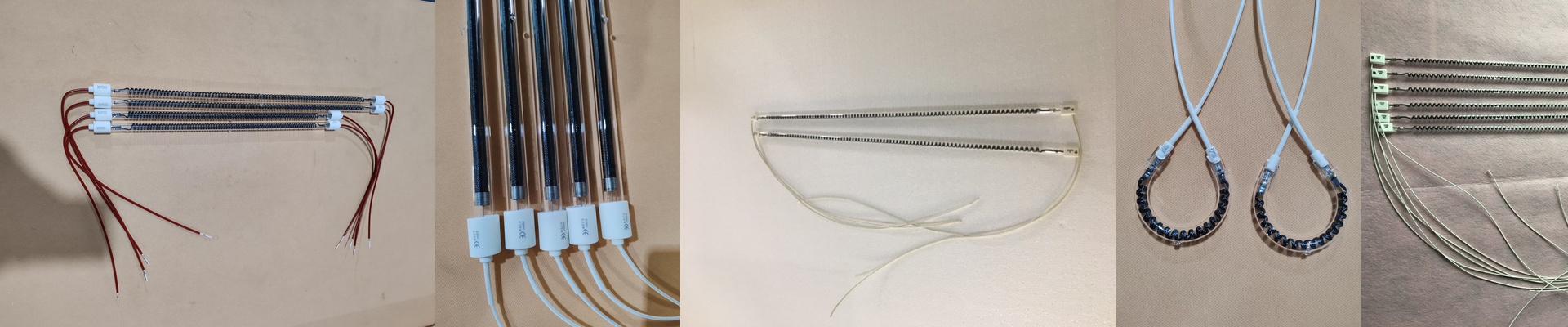
Putting Automotive Electronics Through the Wringer with Custom Shortwave IR Heaters
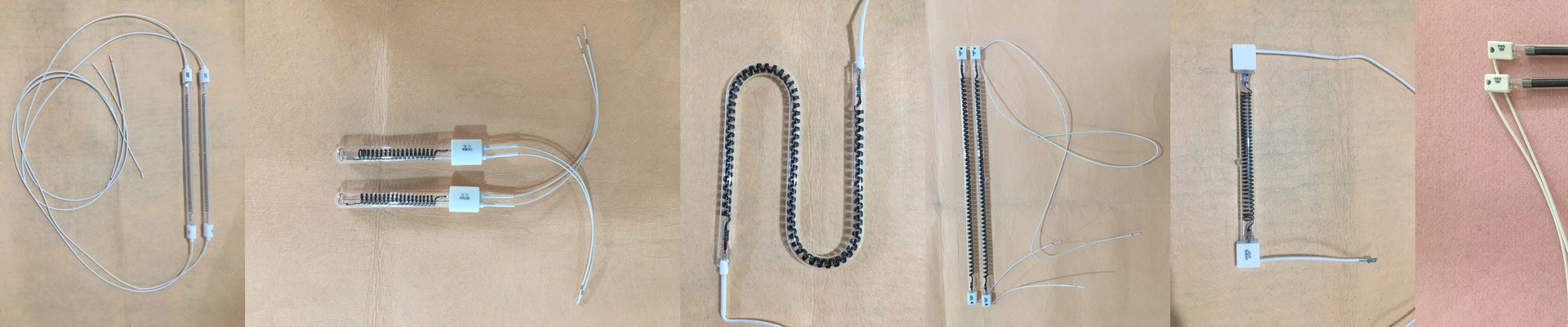
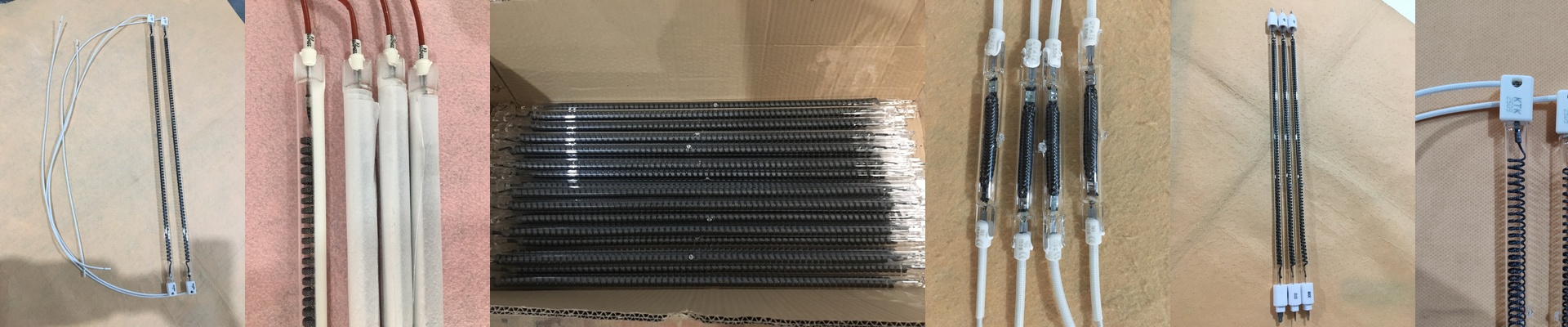
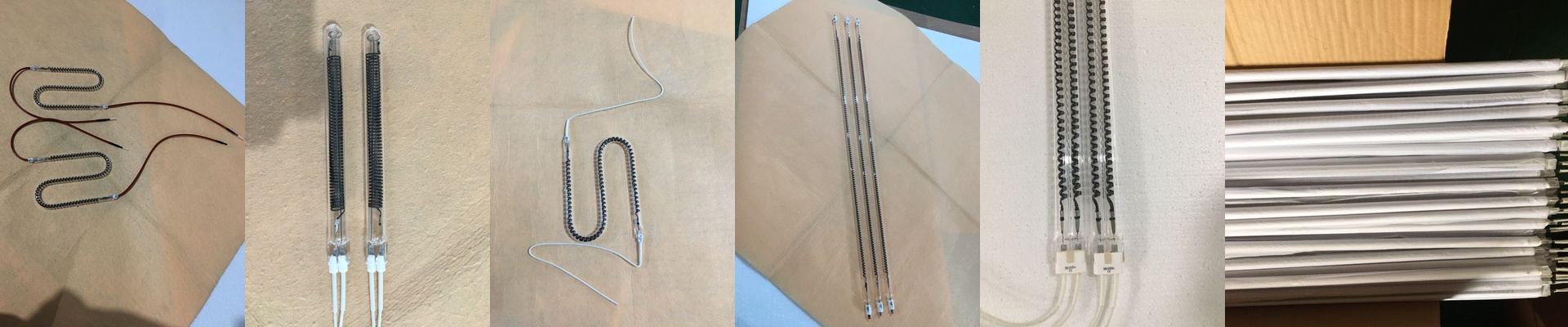
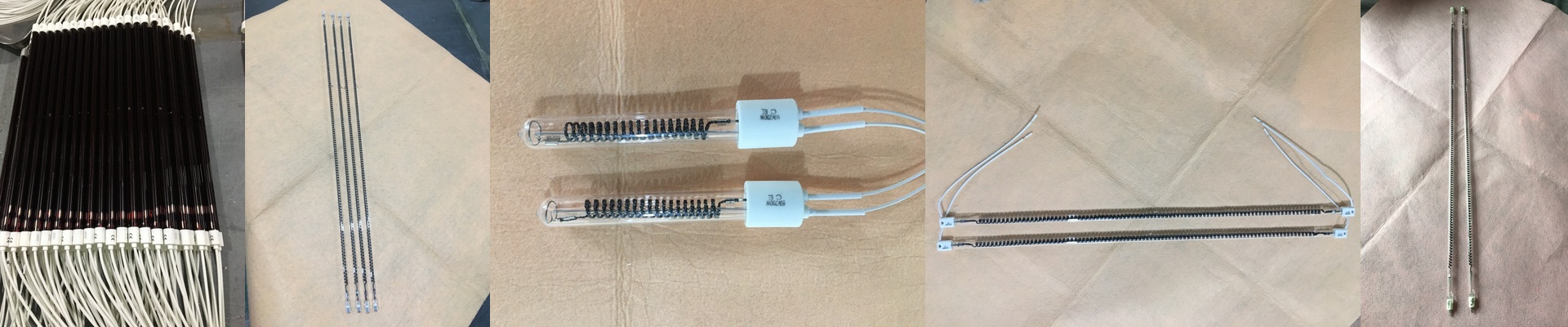
Cars are getting smarter, but the environments they live in are getting meaner. If you’re putting electronics under the hood or anywhere near an exhaust manifold, you know the drill: heat is the enemy. That’s why we build custom shortwave infrared (IR) lamps. These aren’t your run-of-the-mill heaters. They’re built for one thing—mimicking that brutal, rapid heat soak and the constant thermal cycling that kills components in the real world.
Getting the Heat Where It Hurts
To really test a “worst-case” scenario, you can’t just warm up the room. You need a ton of power packed into a tiny space. We build our lamps to hit target temperatures in seconds. Not minutes. Seconds. By tweaking the wattage and voltage, we make sure the IR radiation actually punches through the ECU or sensor casing. We’re looking for the weak spots—the internal solder joints and capacitors that usually give up first. Just a heads-up: if you’re pushing for massive heat density, make sure your chamber’s ventilation can keep up. Otherwise, you’ll end up burning out the lamp housing itself.
The Nitty-Gritty: Quartz and Halogen
We use high-purity quartz envelopes because the internal pressure of the halogen cycle is intense. It keeps the filament from evaporating too quickly, which means your lamps actually last through those long-term soak tests. We also offer a few different connector options depending on your rig. This is a big deal. At these power levels, a loose connection isn’t just a nuisance—it’ll arc and melt your wiring right in front of you.Tight fits are non-negotiable.
Why Shortwave IR?
Imagine you need to prove a part won’t flake out after five years of heat cycles. You could heat up the entire air volume of a chamber, but that takes forever. Shortwave IR is different. It dumps energy directly into the part. It’s fast. Really fast. And that changes everything for your workflow. You can ramp the temperature up and down almost instantly, which slashes your total test time. Plus, you aren’t wasting a fortune on electricity just to heat up the air around the component. You get a realistic thermal profile without the fluff.