Getting the Heat Right for Smartwatch Repairs
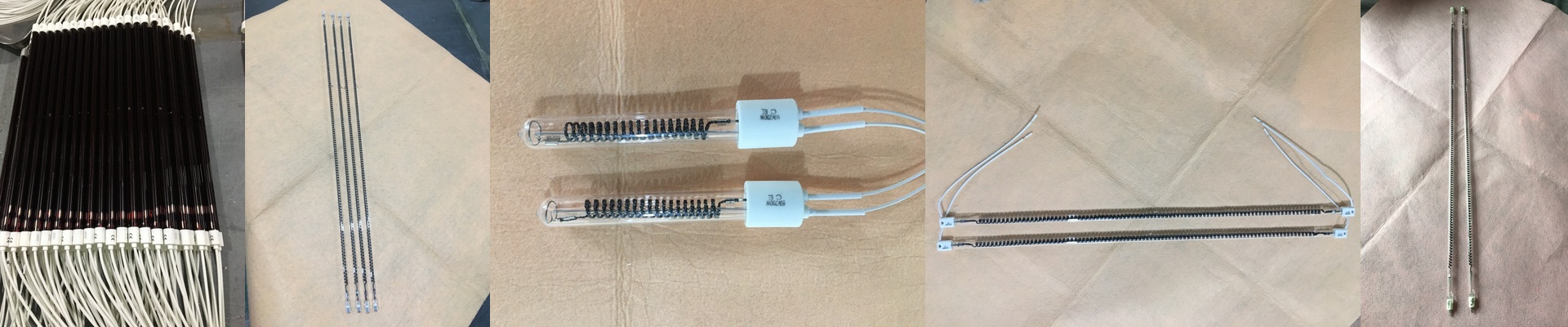
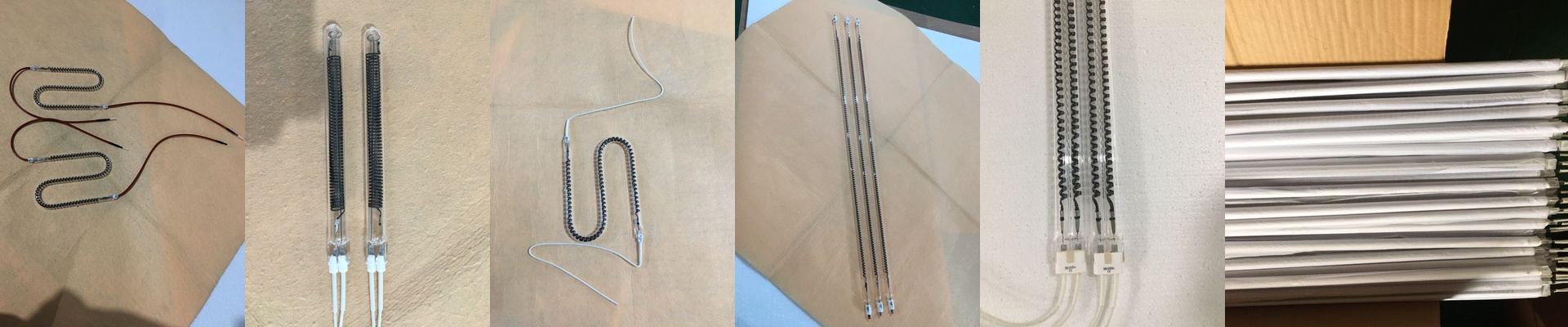
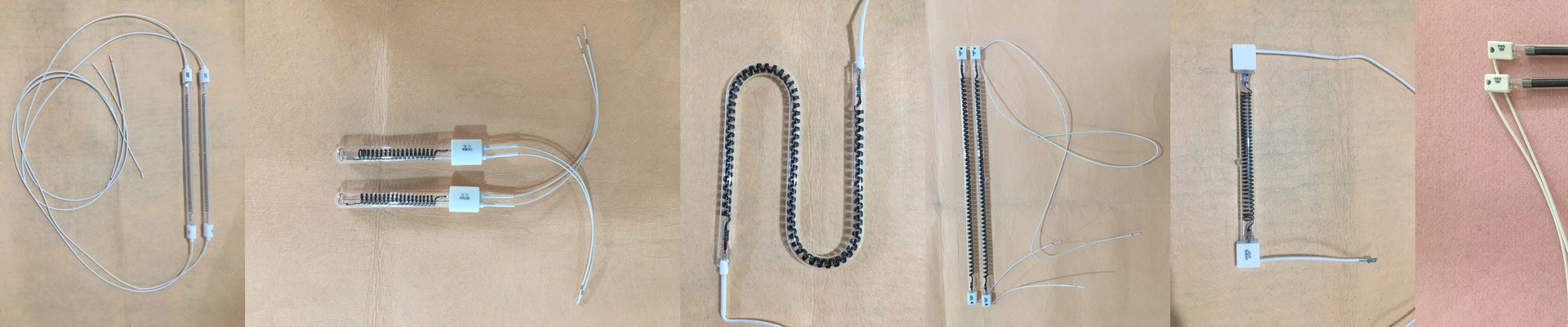
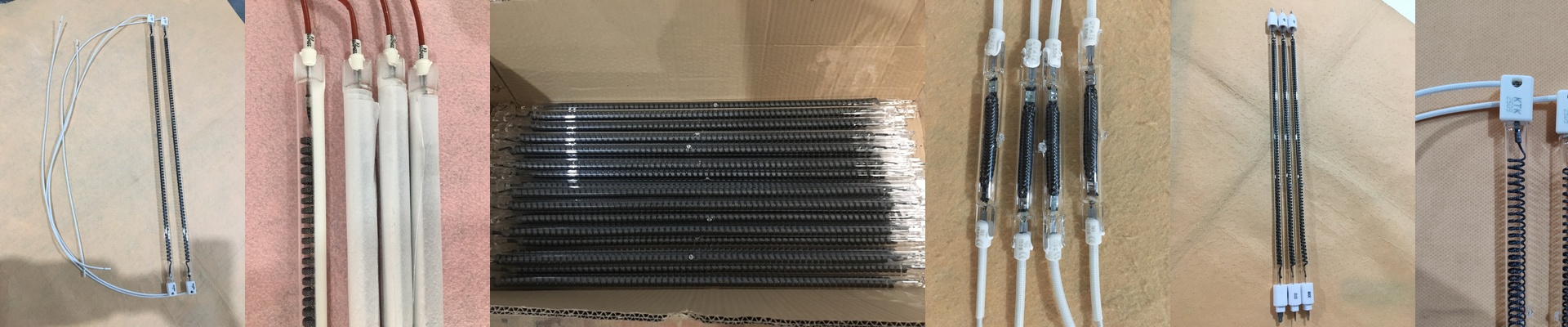
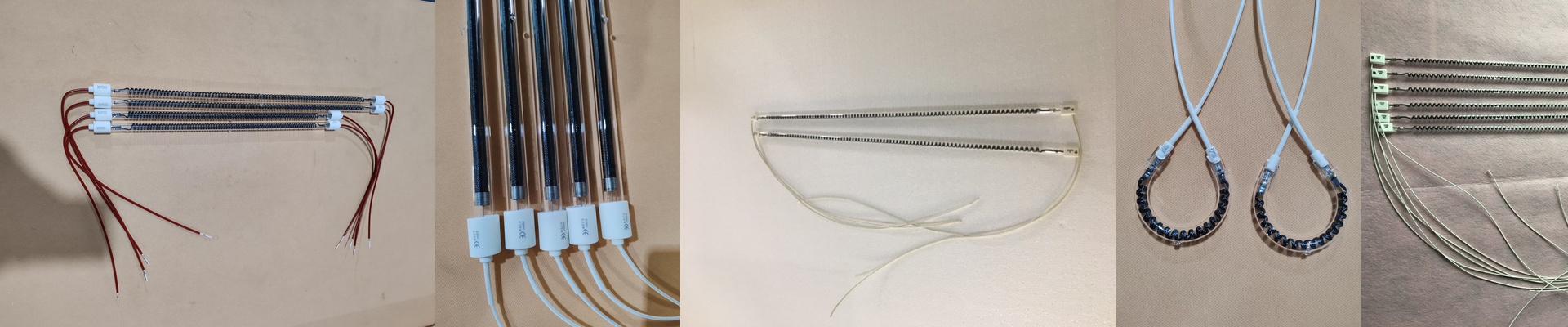
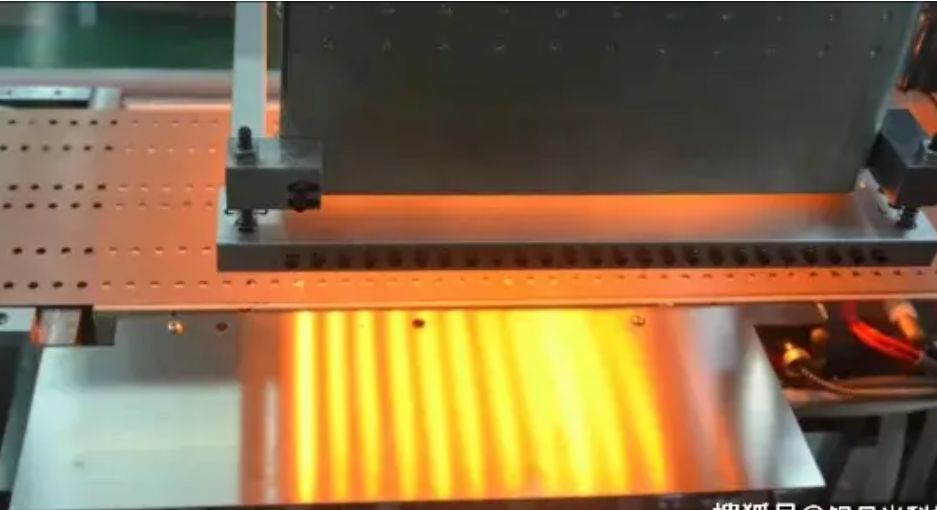
When you’re working on a smartwatch, you’re playing a dangerous game with heat. You need it hot enough to melt stubborn adhesives or pop off micro-components, but if you overshoot by just a few degrees, you’ve fried the PCB. It’s a tight window. That’s why we built our lamps using short-wave infrared. It hits exactly where you need it to, fast. The Power Stuff Here is the thing about heat-up times: if your lamp lags, you’re wasting time and risking the board. We focus heavily on the wattage-to-length ratio. We use high-density filaments so the heat ramps up almost instantly. We’ve benchmarked these against the big-name industry brands, and we’re confident they hold their own. In fact, if you find our heat flux doesn’t match your current high-end gear, we’ll refund you the difference. Simple as that. We don’t do “marketing speak”—we just make sure the tool works. The Build We use high-purity quartz glass because it doesn’t crack when it goes from room temperature to scorching in a matter of seconds. Inside, the filaments are halogen-filled. This stops the tungsten from evaporating and clouding the tube. It means the infrared energy actually hits the watch instead of getting trapped in the glass. And don’t worry about the install. These are drop-in replacements. We used standard connectors, so you can just wire them into your existing housing and get back to work. No hacking or modifying required. A Word of Caution These lamps put out a massive amount of heat. It’s a dream for stripping waterproof glue off a chassis, but it’s intense. Just a heads-up: because they get hot so fast, you need to watch your ventilation. If your cooling fans are a bit weak, your housing might overheat during a long shift. Check your airflow before you push the lamp to its limit. Your gear—and your fingers—will thank you.