
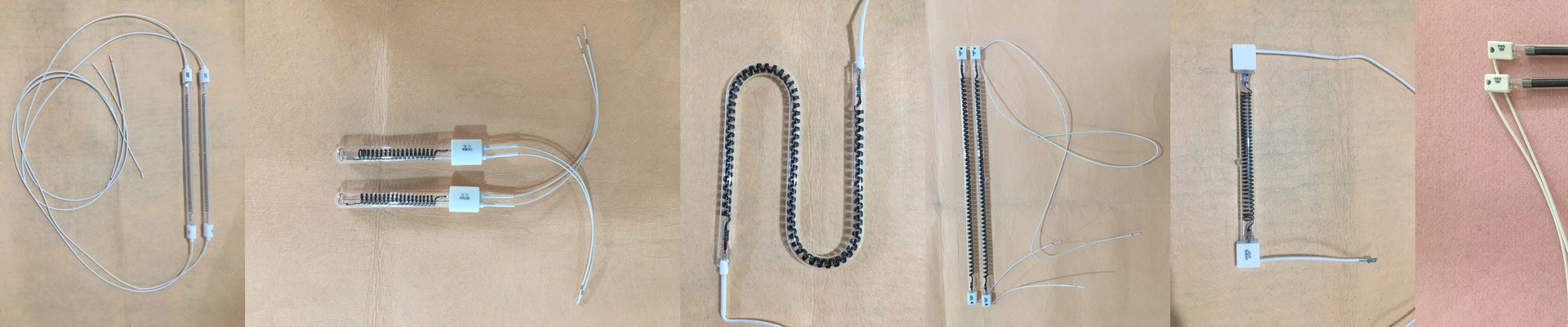
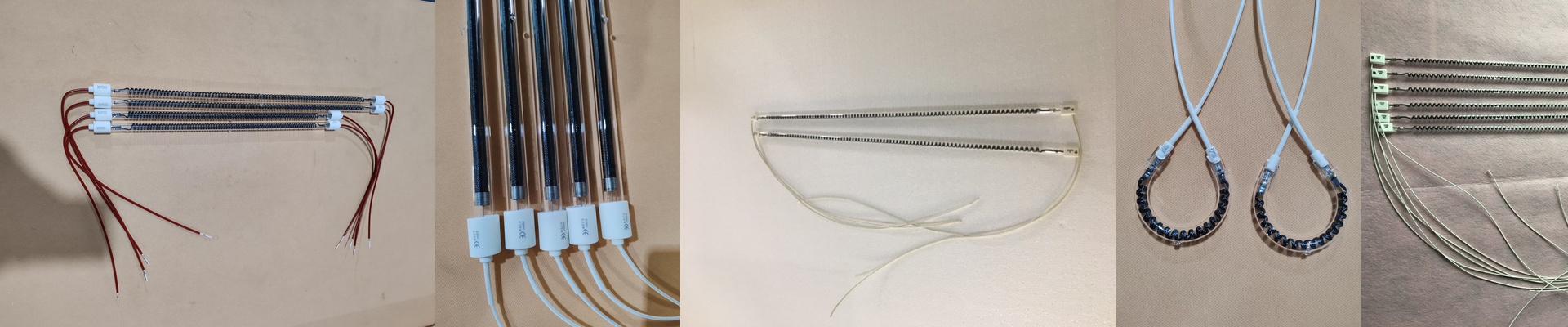
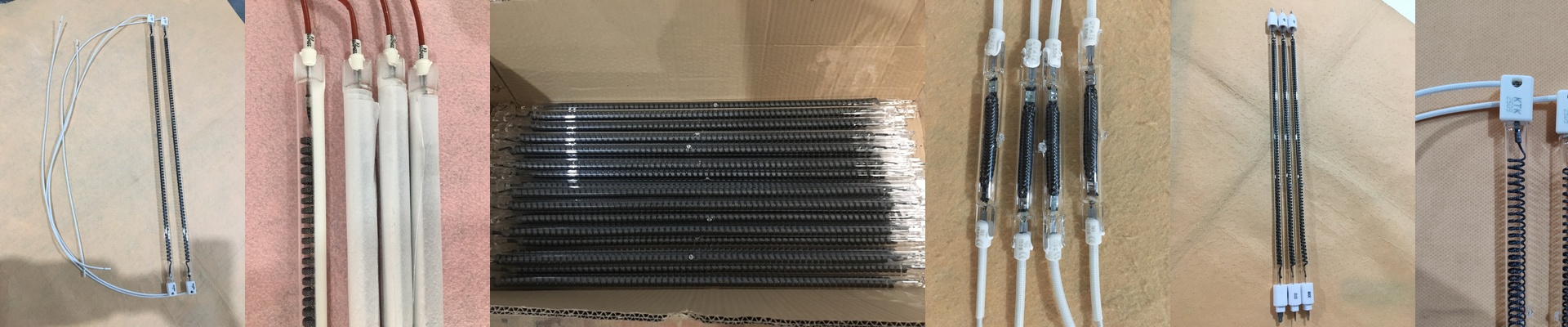
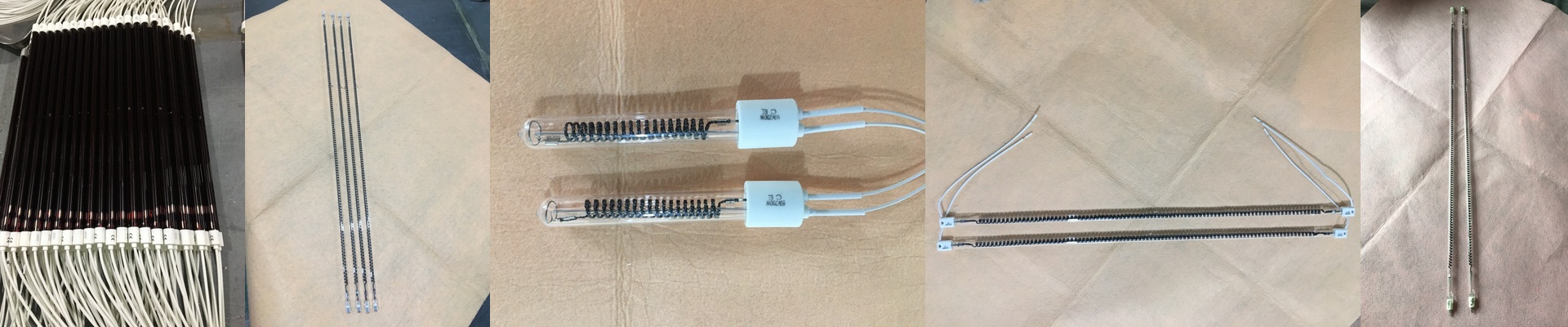

Why we insist on 99.99% Pure Quartz for PCB Heating
When we’re building heating lamps for smart meter PCB assembly, there’s really only one thing that keeps us up at night: temperature uniformity. A lot of engineers think any quartz tube will do the trick. But here’s the thing—they don’t. There is a massive difference between your run-of-the-mill quartz and the 99.99% high-purity synthetic stuff. It all comes down to how infrared (IR) light actually moves through the glass. The physics of it is pretty simple. Standard quartz has these tiny metallic impurities hiding inside. They act like sponges, soaking up the IR radiation and turning it into heat inside the glass wall. That’s energy that should be hitting your PCB, but instead, it’s just wasting away by heating up the air around the lamp. When you switch to 99.99% purity, those “sponges” are gone. The IR waves just glide right through the envelope. You get more heat on the board and way less waste. Then there’s the headache of burnout. In a real production environment, you’re clicking these lamps on and off constantly. That’s a lot of thermal shock. In lower-grade quartz, those impurities create “hot spots.” The glass expands unevenly in those spots, which leads to micro-cracks. Eventually, the tube just gives up and pops. High-purity quartz is different. It’s homogenous. It expands and contracts as one single unit, which means it lasts a lot longer before you’re scrambling to replace a blown lamp. Let’s talk money. I won’t lie to you: high-purity quartz is expensive. It’s harder to find and a pain to machine. You’re definitely paying a premium upfront. But you have to look at your scrap rate. Cheaper lamps often leave you with uneven heat. That leads to cold solder joints or warped substrates—the kind of defects that kill your yield. If you’re running a high-volume line, the cost of a few ruined boards far outweighs the price of a better lamp. Just a heads-up, though: these tubes are efficient, but they aren’t magic. They won’t fix a circuit with shaky voltage regulation, so make sure your power supplies are rock solid first.