The Real Deal on IR Lamps for Micro-Electronics
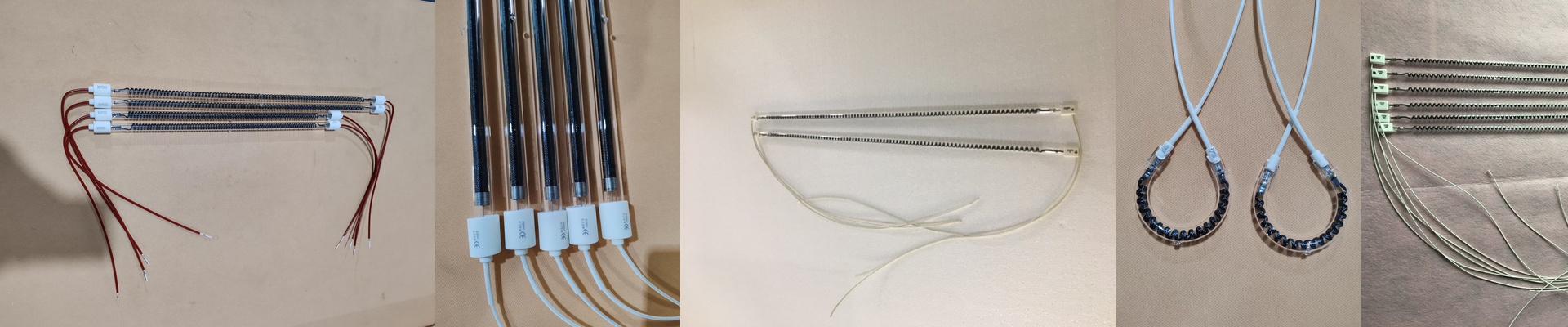
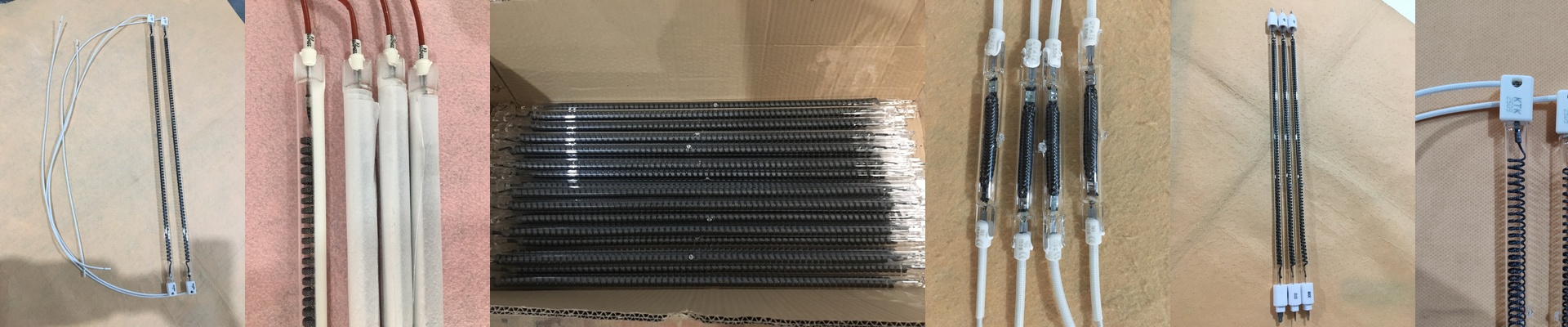
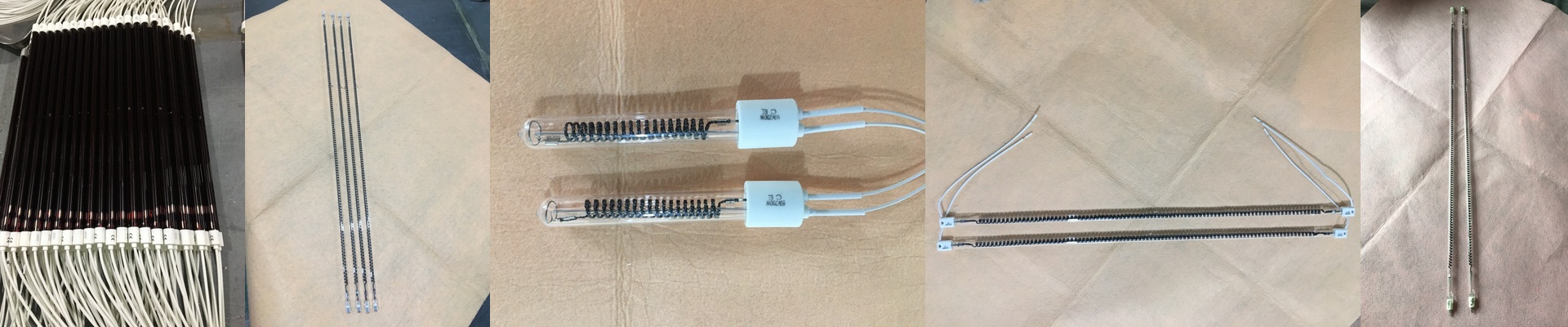
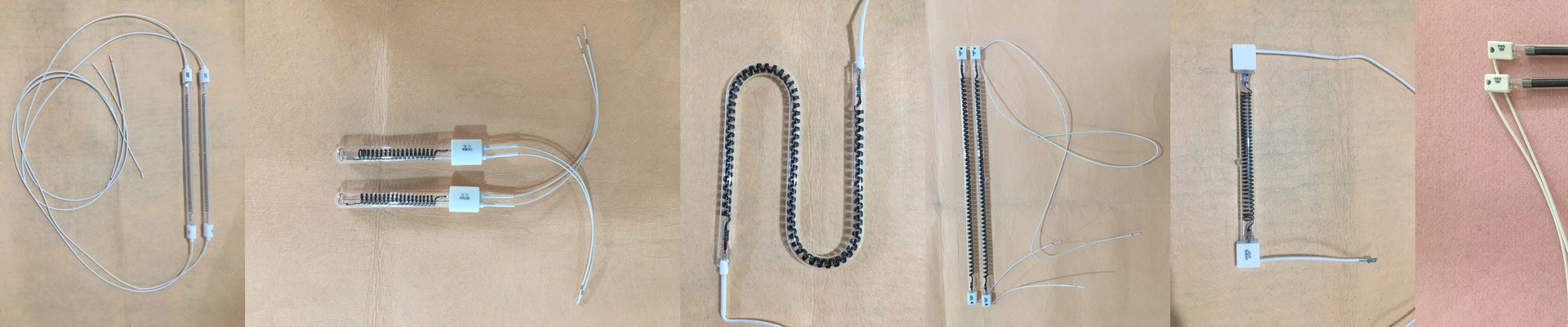
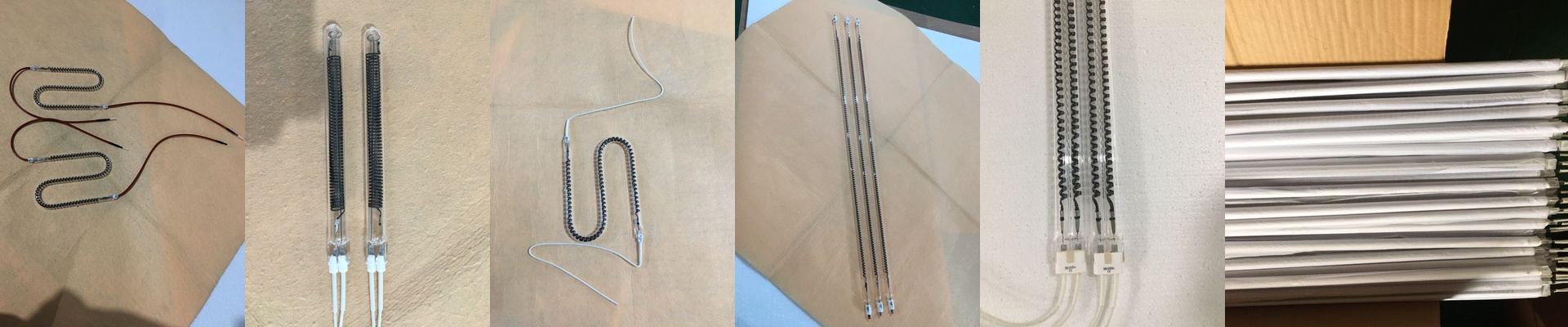
Working on smartwatch PCBs is a nightmare. You’ve got components crammed into a space smaller than a postage stamp. If you try to desolder those using hot air, you’re basically playing Russian roulette with those tiny 0201 capacitors—one wrong gust and they’re gone. That’s why we stick with short-wave infrared (SWIR) quartz lamps. Instead of blowing air everywhere, these just beam energy straight into the solder joints. Getting the heat right The trick is the ramp-up. These lamps use a quartz envelope that lets the filament get screaming hot while keeping the beam tight. It’s a narrow shot of energy. This is huge because it stops the heat from bleeding into the plastic case or, even worse, the battery. But a word of warning: don’t just crank the wattage and hope for the best. Without a PID controller to keep things in check, you’ll fry the board before you even realize it. You need that feedback loop to make sure you’re hitting the sweet spot without crossing the line. What’s under the hood We use high-purity quartz for a reason. It stays stable even after thousands of heat cycles, so you aren’t replacing them every other week. Plus, we kept the connectors standard. They just slide right into most repair stations without any fuss. The filaments are tuned for a specific spectral output. In plain English? The heat cuts right through the solder mask and hits the copper pads directly. It’s efficient. The “Shop Floor” reality Here’s the thing: these lamps are powerful, but they’re fragile. One clumsy move during setup and snap—there goes your quartz. And you have to be obsessive about your distance. Seriously. Move the lamp just two millimeters too close and you’ll lift a pad right off the PCB. Your jigging has to be locked down tight. One last tip from experience: get a cooling fan for the housing. If you’re pulling long shifts, those sockets can actually start to melt. Keep them cool, and they’ll last.