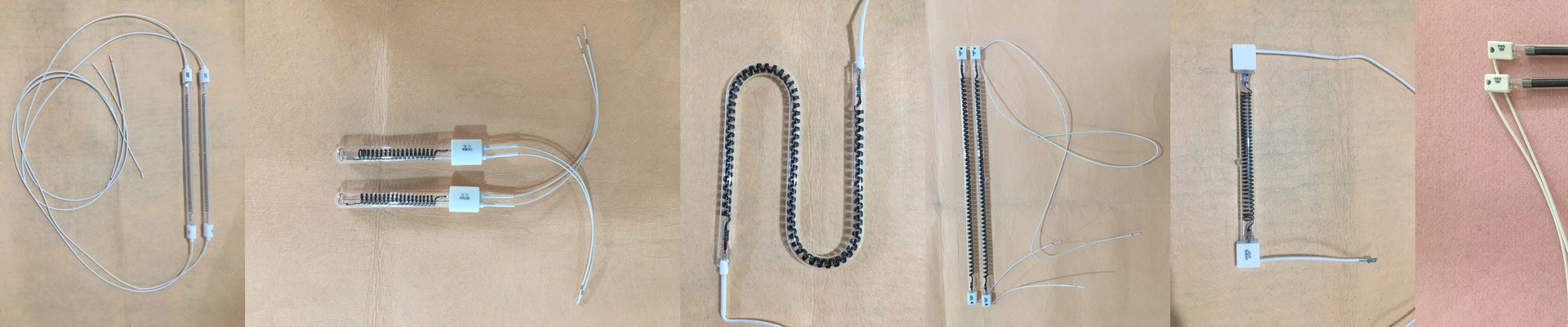
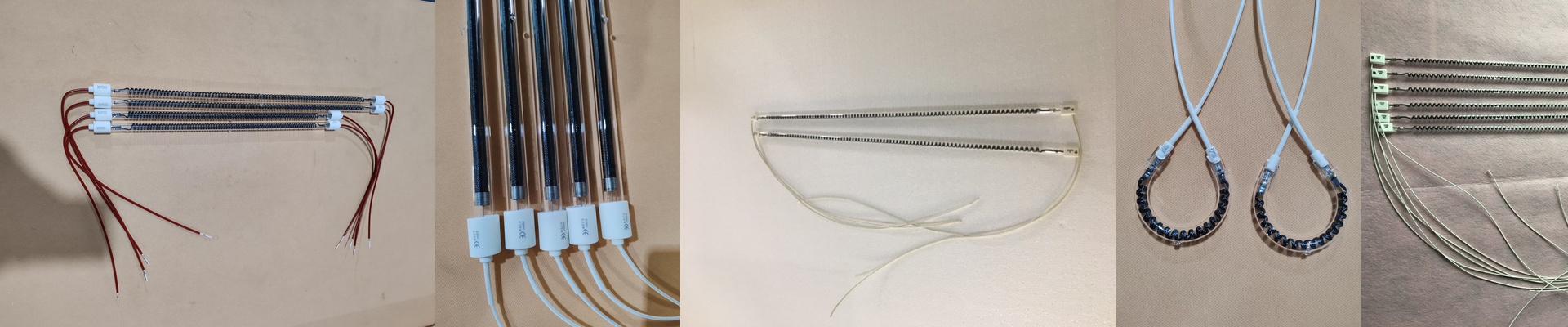
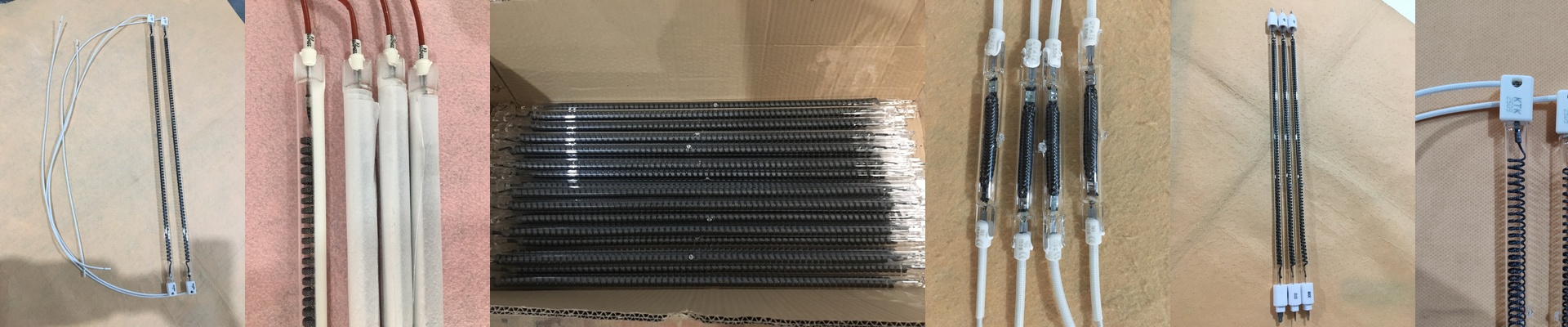
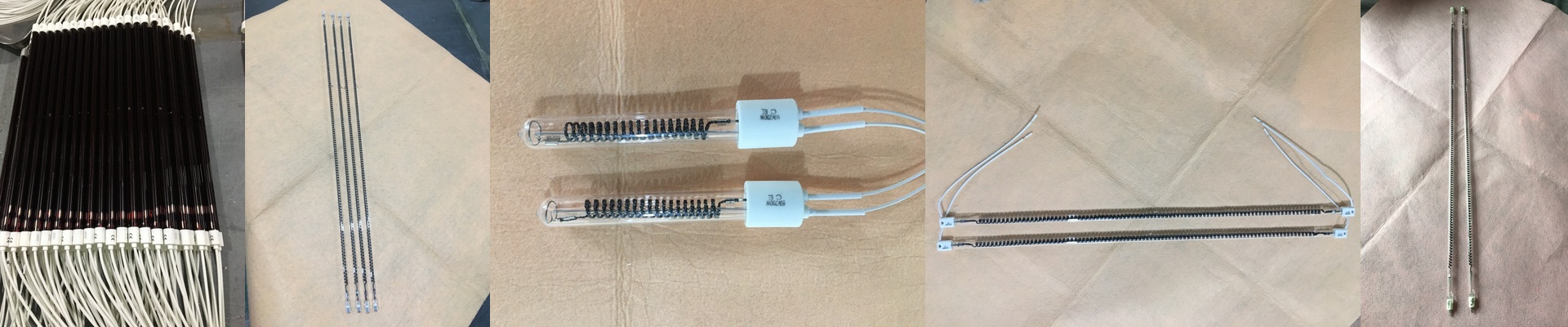
Getting Your PCB Thermal Profiles Right with Shortwave IR Lamps
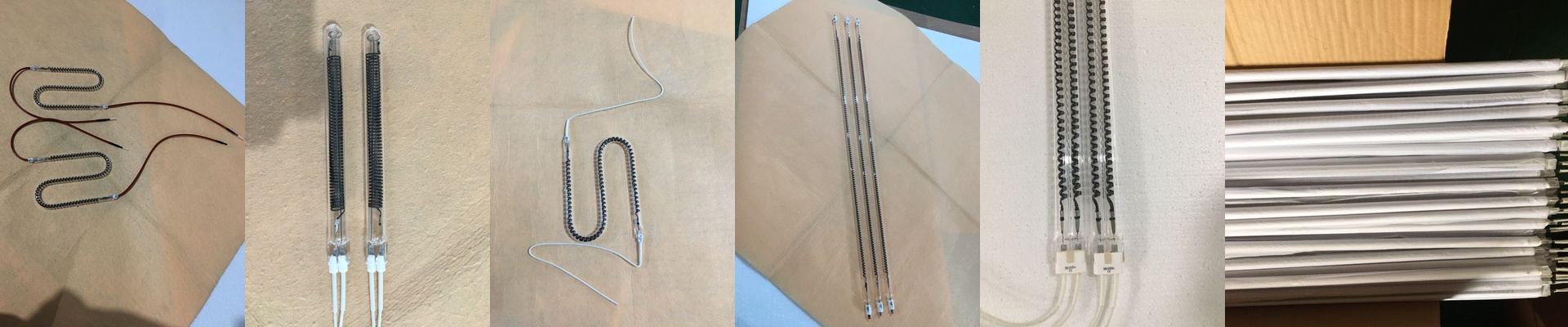
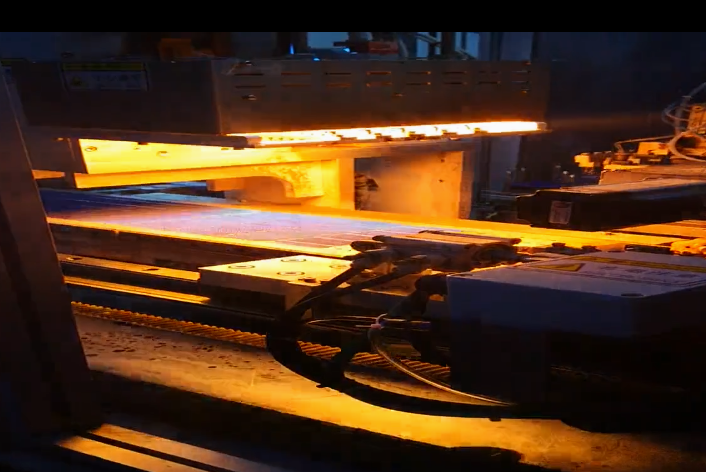
If you’ve ever worked with smart meter PCBs, you know the headache. The components are packed in tight. One wrong move with the heat and you’ve fried a sensitive sensor or warped the board. You need heat that hits fast and disappears just as quickly. That’s exactly why we build our infrared lamps the way we do. The trick is in the heat density. We stick with shortwave IR because it actually gets into the PCB substrate, unlike the longwave stuff that just sits on the surface. By tweaking the wattage and voltage to fit your specific assembly line, we make sure the heat stays where it belongs—on the solder joints. High wattage means you can ramp up the heat in a flash. It keeps the board flat and prevents that dreaded warping. Just a heads-up: make sure your power supply matches the lamp’s voltage. If they’re out of sync, you’re just asking for a premature burnout. Built to survive the heat. We use high-purity quartz glass for a reason. It can take the shock of rapid heating and cooling without cracking. For those of you running smart meter lines, we can add special coatings that bounce the heat back toward the PCB. It’s a simple way to get more energy into the board. We also use standard industrial connectors like R7s or Sk15. Why? Because we want these to be drop-in replacements. You shouldn’t have to rewire your whole rig just to swap a lamp. And if your shop floor vibrates like crazy, these connectors are what keep your lights from flickering or giving up on you. Real talk: Shop floor realities. Let’s be honest—no lamp lasts forever. We’ve spent ten years obsessing over the filament geometry to meet international standards, but at the end of the day, your voltage stability is what dictates the lifespan. If your line voltage spikes, that filament is going to thin out and snap. Simple as that. You’re getting massive heat density here, which is great, but don’t forget your cooling fans. If they aren’t spec’d right, your housing is going to melt. We build these things to take a beating in 24/7 production, as long as you keep the air moving.