Getting the Heat Right for Smart Meter PCBs
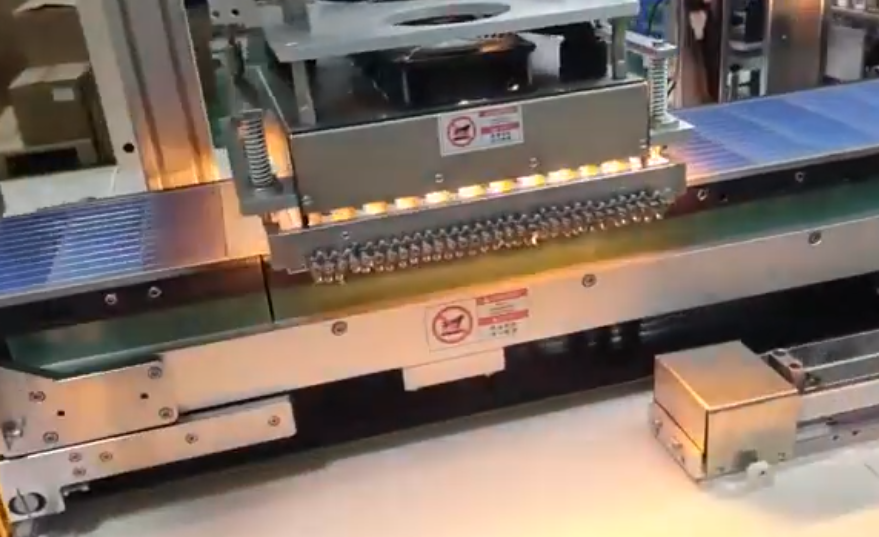
Smart meter boards are picky. If you just throw them in a generic oven and hope for the best, you’re asking for trouble—warped components, solder bridging, the works. You can’t just “heat” these things. You have to be surgical about it. That’s why we’ve moved away from those big, blunt ovens and started using targeted infrared (IR) lamp arrays.
Why IR Actually Works
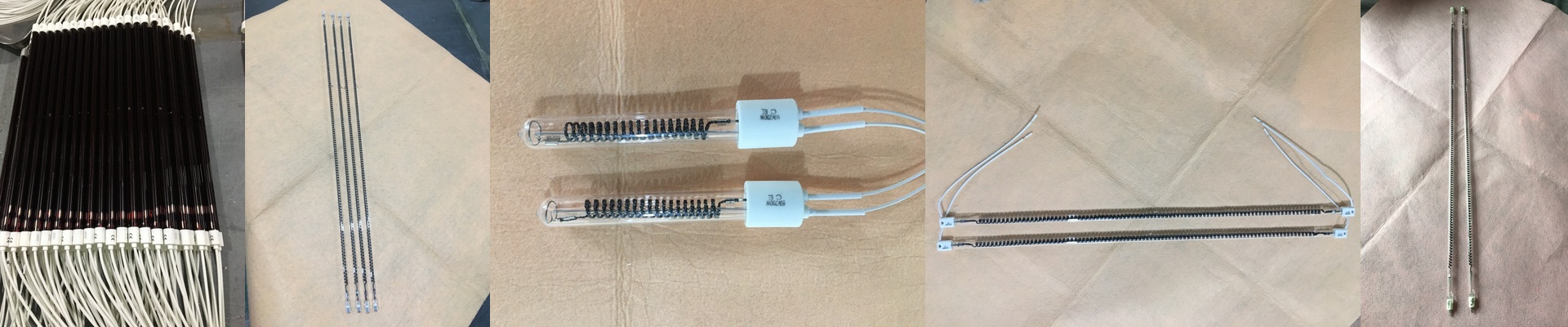
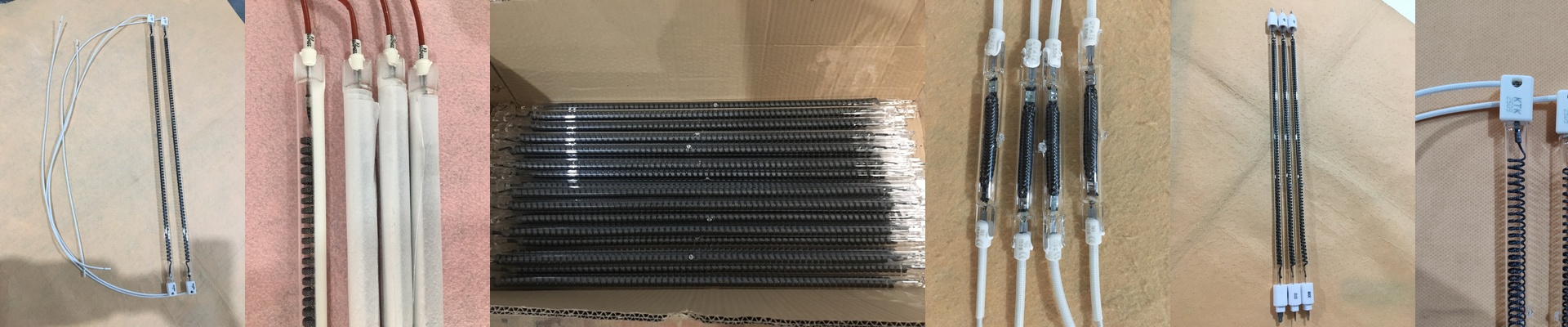
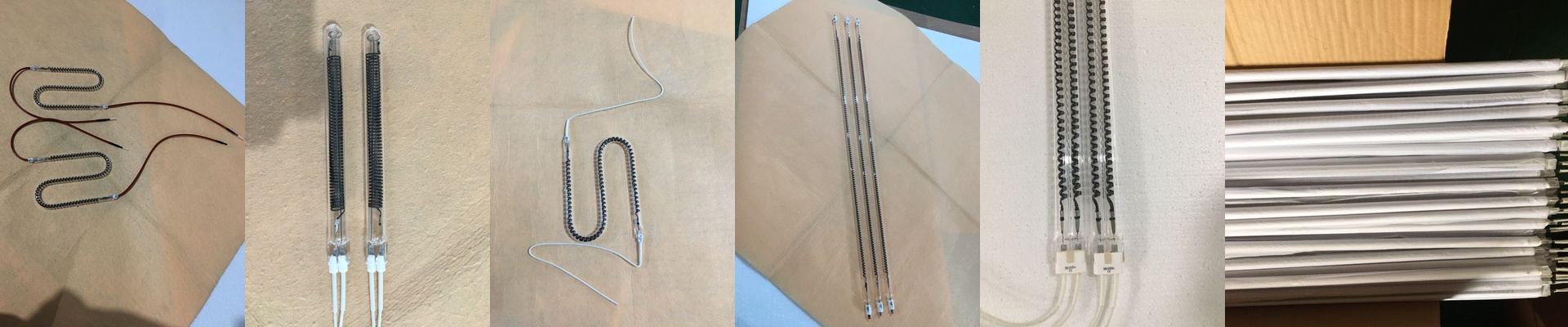
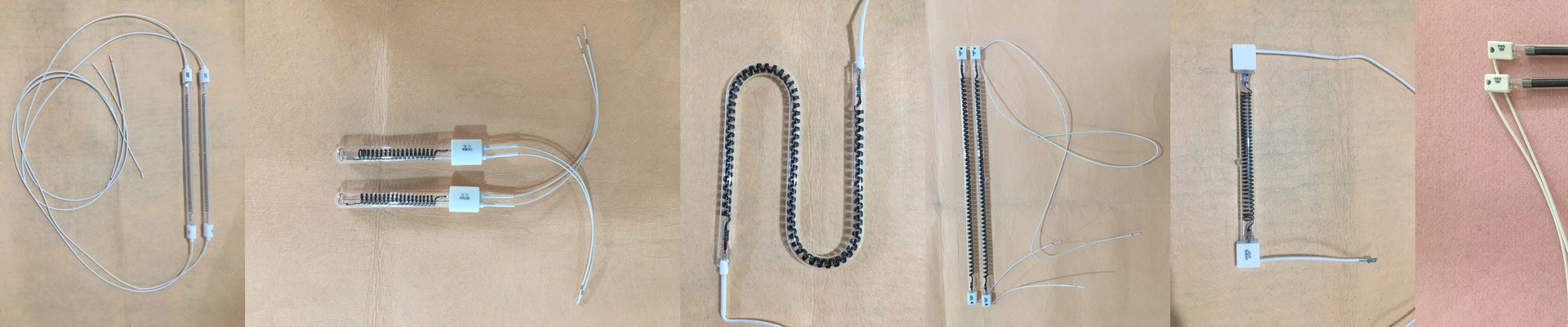
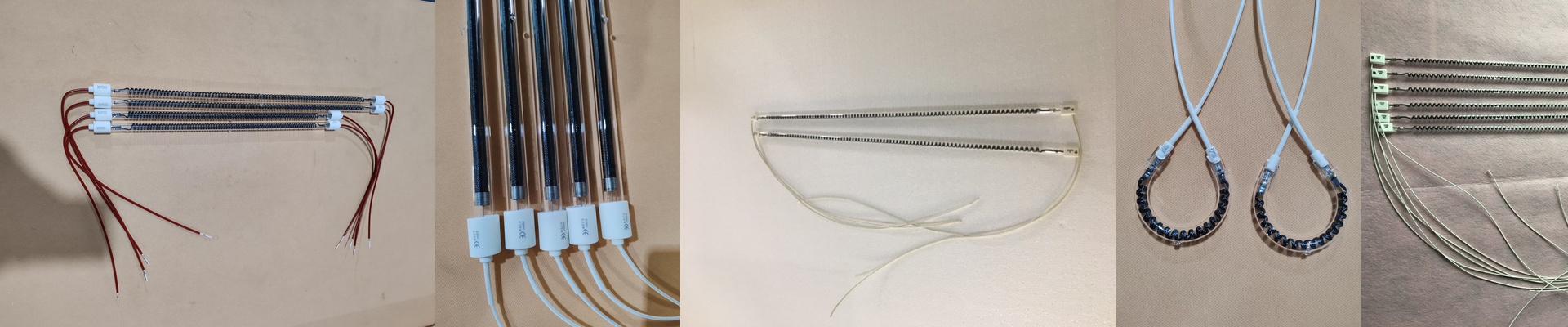
Here’s the thing about short-wave IR lamps: they don’t waste time heating up the air around the board. They dump energy straight into the PCB substrate. It’s fast. Really fast. When you’re picking a lamp for your line, keep an eye on the wattage-to-length ratio. That’s what controls your heat density. We use high-wattage quartz tubes to blast the solder paste exactly where it needs to go, which means the sensitive metering chips don’t get cooked in the process.
The Nitty-Gritty on Gear
We build these lamps with high-purity quartz because they have to survive being turned on and off a thousand times without cracking. Depending on how fast your line is moving, we can add specific coatings to the glass. This shifts the emission spectrum so the heat hits the solder, and leaves the plastic housing alone. Nobody wants a melted meter case. For the setup, we stick to standard connectors like R7s or SK15. They’re basically drop-in replacements. You can wire them up and get moving without having to fabricate custom parts. But a heads-up: these lamps pull a lot of current. Make sure your power supply and wiring gauge can handle the peak load. If you skimp here, you’ll get voltage drops, and your temperature profile will be all over the place.
Making it Work on the Floor
The dream is a flat thermal profile across the whole board. If your lamp spacing is off, you’ll end up with cold spots, and that’s where the failures happen. I always suggest pairing these lamps with closed-loop PID controllers. It’s a lifesaver. If the line pauses for a minute, the controller keeps the boards from burning. One last thing: more heat density means more ambient heat. Make sure your exhaust system can keep up, or you’ll end up overheating the lamp sockets themselves.