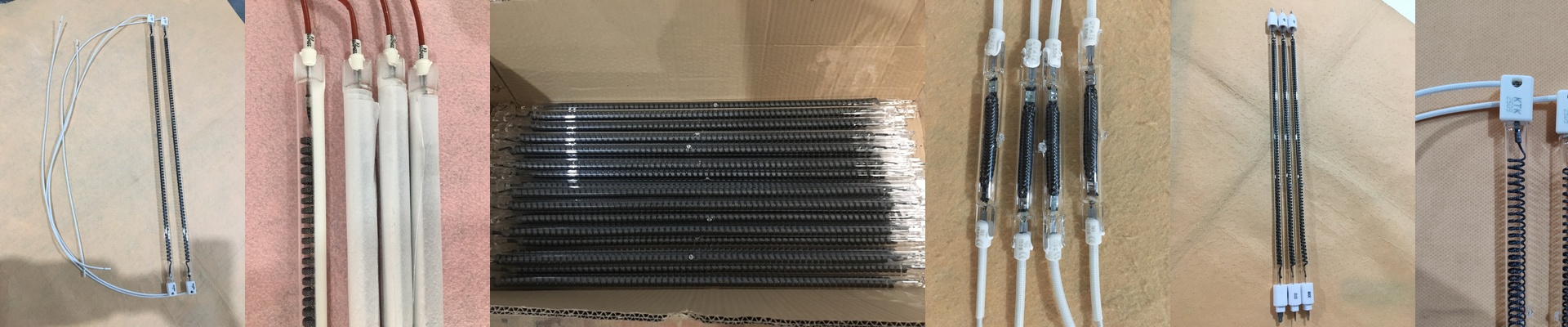
Making IR Lamps That Actually Last (And Why It Matters for Smartwatch Repair)
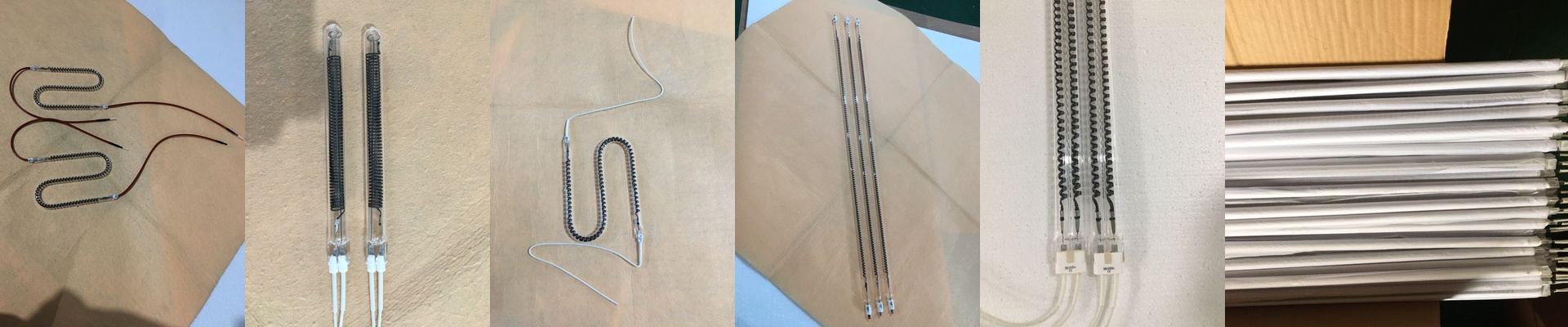
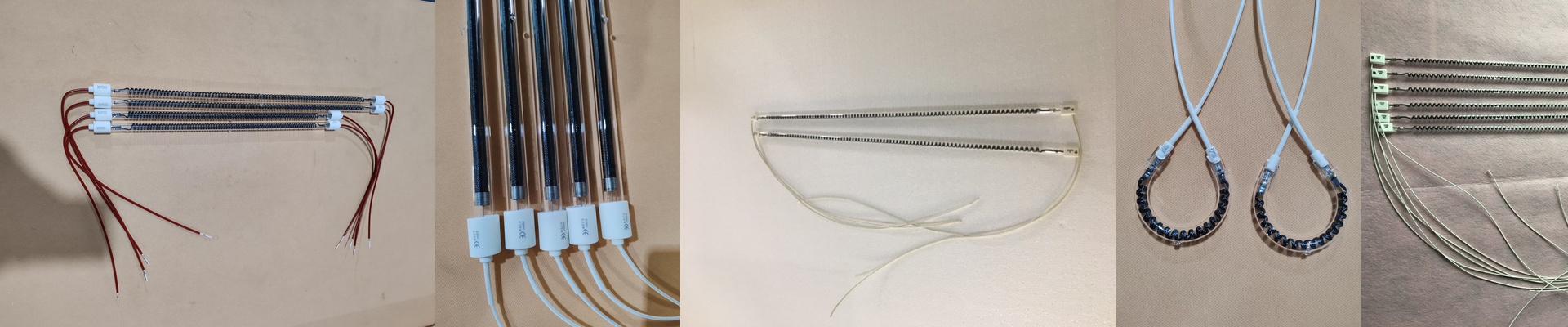
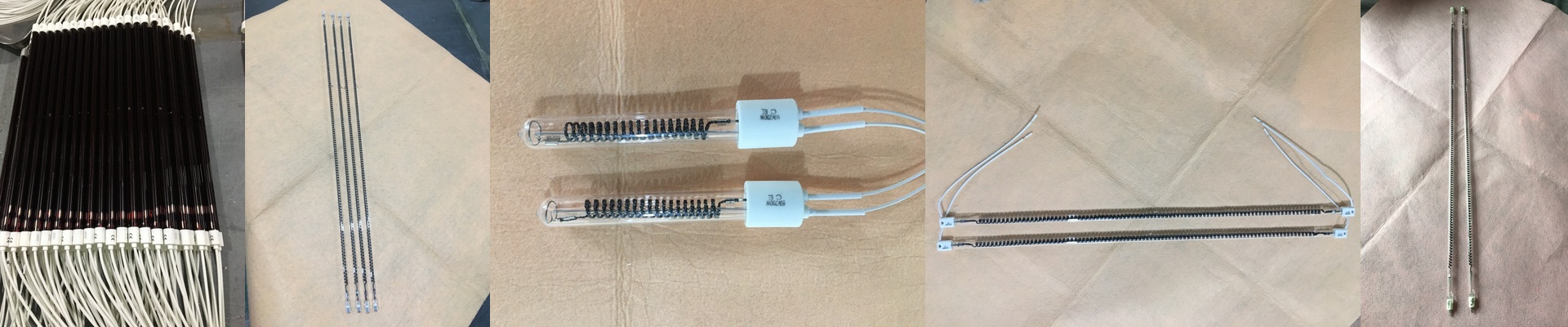
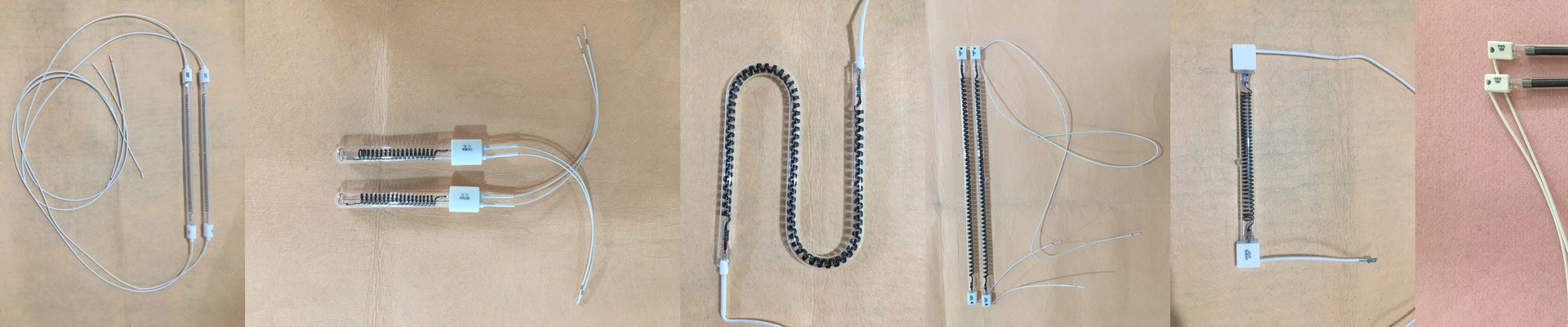
If you’ve ever tried to pry open a smartwatch, you know the struggle. You need the adhesive to soften up, but if you go too far, you’re staring at a fried OLED screen or a swollen battery. It’s a tightrope walk. Most shops just buy the cheapest heating elements they can find. They work for a bit, then they pop. Then they go in the trash, and you’re buying another one. It’s a waste of money and a waste of materials. We wanted to stop that cycle. Getting the heat exactly where it belongs We went with short-wave infrared (SWIR) emitters for a reason. Instead of just heating up the air around the watch, the energy goes straight into the glue. It’s faster. Much faster. Because the heat is so targeted, you don’t have to worry about those nasty hotspots that warp the watch casing. You get in, soften the glue, and get out. The secret is in the glass and gas To keep these things from burning out, we used high-purity quartz glass. Regular glass softens when it gets screaming hot; quartz doesn’t. But the real trick is the halogen cycle. We put a specific gas inside that basically “recycles” the tungsten filament. As the tungsten evaporates, the gas pushes it back onto the filament. It’s like a fountain of youth for the bulb. We also kept them small so they actually fit in your repair station, and we beefed up the end-caps. That way, the constant heating and cooling doesn’t eat away at the electrical connections. The one catch Here’s the thing: these lamps put out a lot of raw power. Since they’re built to last and run hot, they can put a lot of stress on the housing of your repair tool. If you don’t have a good heat sink or some decent ventilation, your rig is going to take a beating over time. Just make sure your setup can breathe. It’s a simple trade-off. Instead of tossing a cheap lamp every few months, you put in an industrial-grade part and forget about it for years. It just makes sense.