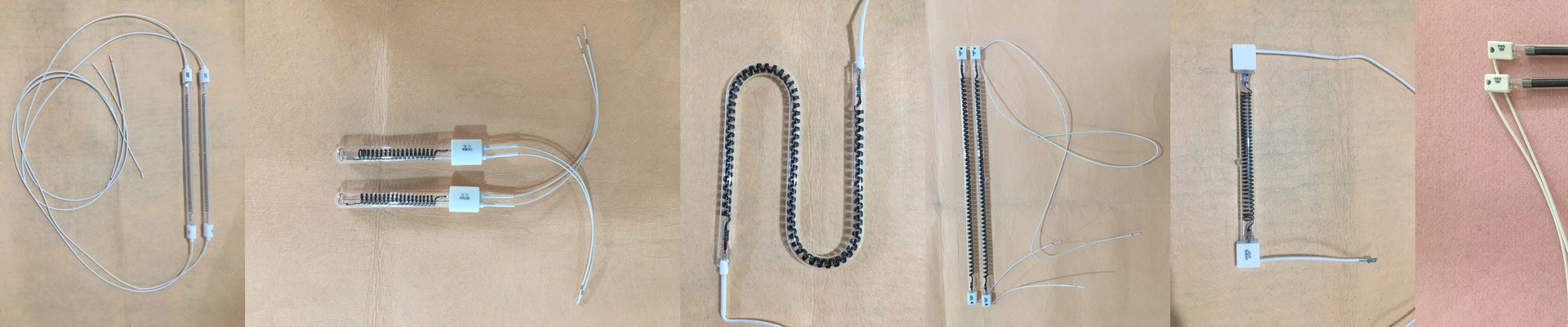
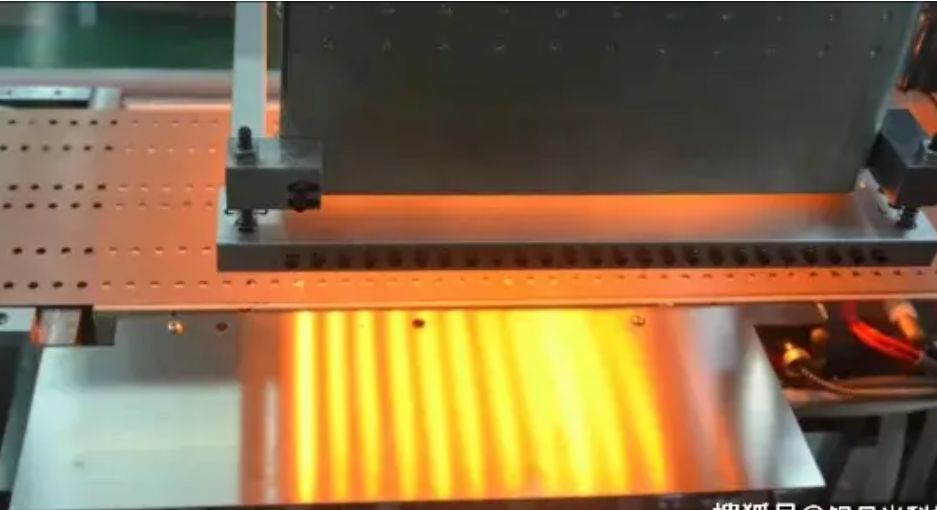
Keeping Your IR Heating Modules Clean (And Alive)
If you’ve ever spent time repairing smartwatches, you know the drill. You’re dealing with tiny components, precision soldering, and stubborn adhesives. You use infrared (IR) lamps to get the job done, but there’s a hidden problem. It’s not the heat that kills your equipment. It’s the smoke. When you solder, those fumes and flux residues don’t just vanish. They float straight up into the heating element. Once that gunk hits the quartz glass, it bakes on. You end up with a nasty film that blocks the heat and creates these annoying hot spots. Before you know it, your tube is burnt out and you’re staring at a dead module. Enter the air-curtain. Instead of just letting the smoke wander wherever it wants, we use a constant, thin stream of filtered air blowing across the face of the IR tube. Think of it like an invisible wall. The smoke hits that air barrier and gets pushed away before it ever touches the glass. It’s simple, but it works. Your tubes stay clean, and you don’t have to kill your afternoon scrubbing glass by hand just to keep the line moving. But, there is a catch. Adding an air-curtain changes how the heat hits the board. Since you’ve got air moving across the workpiece, it cools things down a bit. To fix that, you can’t just use a standard lamp—you need a bit more power. If you’re on a 230V system, you’ll probably want to bump up the wattage or move the lamp a little closer to keep your ramp-up times where they need to be. And yeah, it takes up a bit more room. You’ve got to make space for a blower and a filter housing. Is it worth the extra footprint and a tiny bit more electricity? Absolutely. It’s a lot cheaper than replacing expensive quartz tubes every few months. For the engineers, this is a win. You can stop worrying about your lamps “dimming” and actually focus on the soldering cycle. Just one tip: keep those air filters clean. Otherwise, you’re just blowing dust onto your boards, and that’s a whole different headache.