Stop Just Cranking the Heat on Your Glue
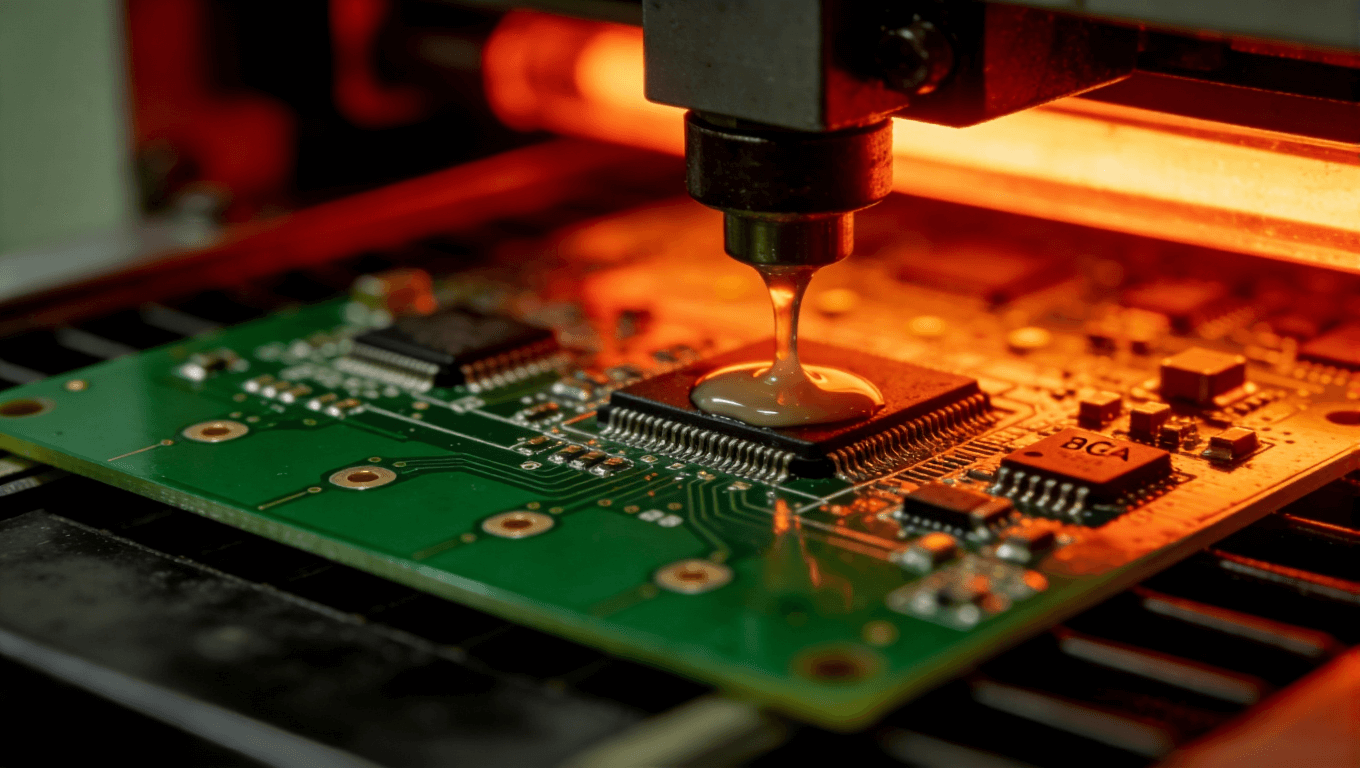
If you’re working on smart grid electronics, you know the drill: you need that adhesive to cure now so you can get the board off your bench and out the door. Usually, the instinct is to just blast it with more heat. But that’s a trap. The real secret isn’t about how hot the lamp gets. It’s about something called spectral matching.
Why the “Blast it” Method Fails
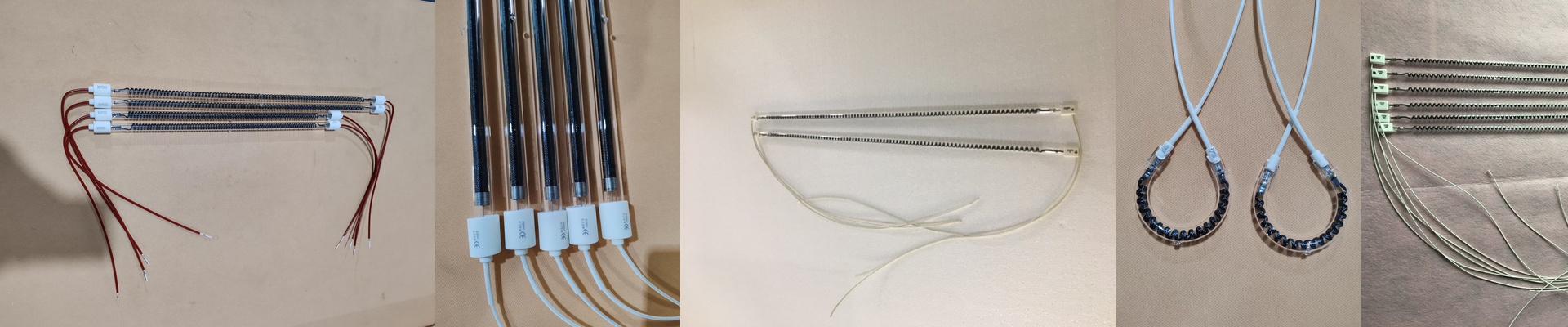
Think of it like this: every glue has its own “favorite” wavelength of light. If your IR lamp is pushing out waves at 2.0 microns, but your glue only cares about 3.5 microns, the energy just bounces right off. You aren’t actually curing the bond; you’re just baking your PCB for no reason. We use infrared spectroscopy to find that sweet spot—the “absorption peak.” When the lamp and the glue are on the same page, the molecules start vibrating like crazy. That’s what kicks off the chemical bonding. It happens fast. Really fast.
The Trap of “Skinning”
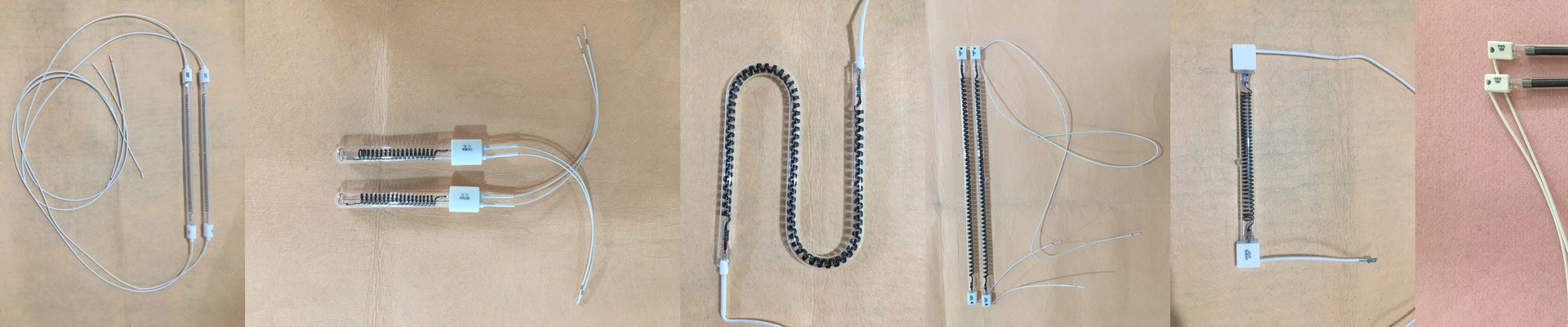
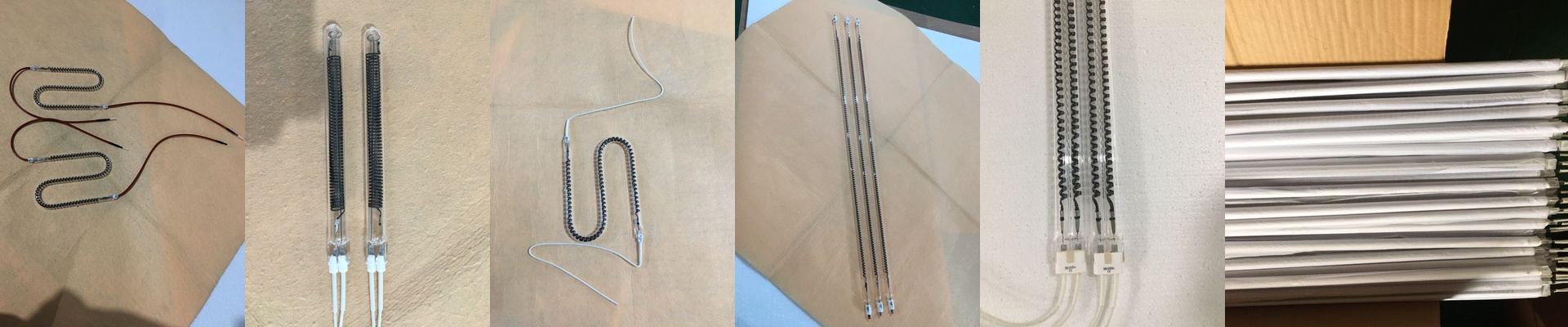
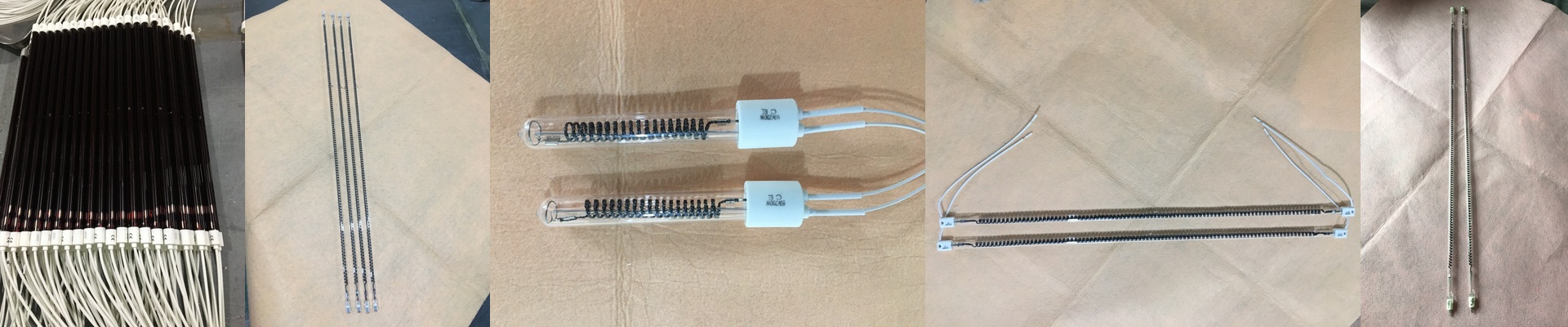
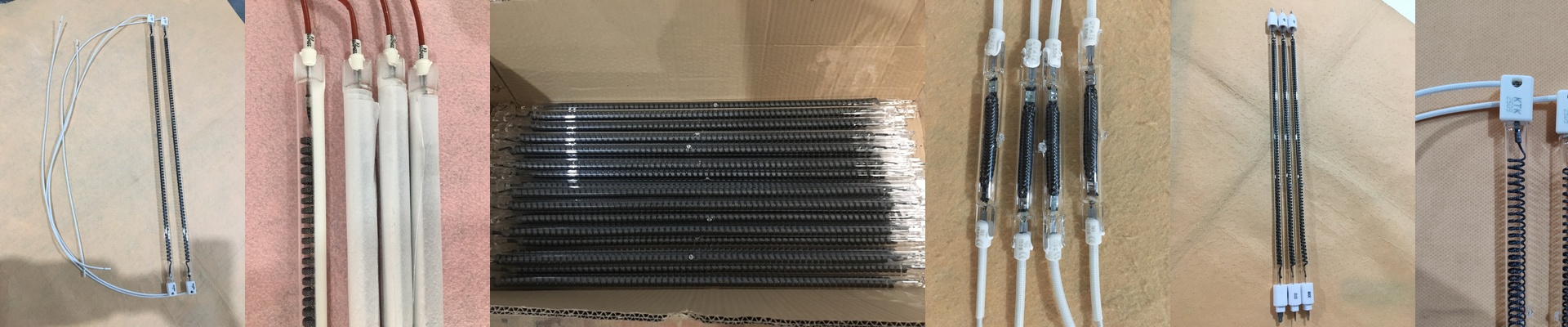
Then you have to choose between short-wave and medium-wave IR. Short-wave goes deep. It’s your best bet for those thick beads of glue. Medium-wave stays closer to the surface. If you pick the wrong one, you get “skinning.” That’s when the top layer hardens into a shell, trapping wet resin or solvent underneath. It looks fine at first, but once the board hits some thermal cycling in the field? The joint fails. Voids everywhere. Total nightmare.
The Catch (And How to Avoid It)
Getting the band right can drop your cure time from minutes down to seconds. Sounds great, right? But here’s the thing: those narrow-band lamps pack a massive punch in a tiny area. If your PID controller is a bit sluggish, you’ll overshoot the glass transition temperature (Tg) before you even realize it. One second you’re curing glue, the next you’ve fried the very chips you were trying to save. Keep your footprints tight. Position your cooling fans to pull heat away from the sensitive components. It’s a balancing act, but when you nail it, the workflow feels effortless.